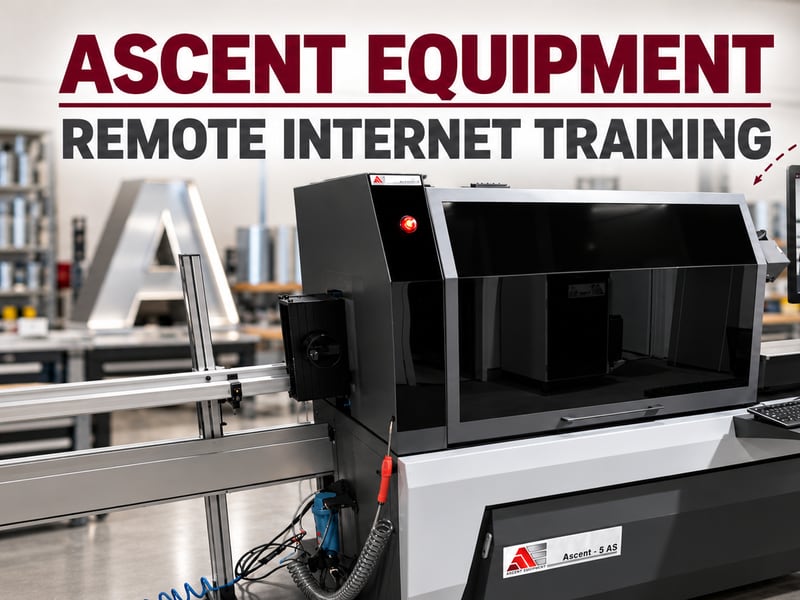
Remote Support and Training for Ascent Laser Cutters and Benders
How Ascent technicians fix problems and train operators over the Internet on laser cutters and bending machines: remote login, WhatsApp video, and site visits.
Read article →The articles on this blog are for informational purposes only. Ascent Equipment is not liable for any errors, omissions, or outcomes resulting from the use of this information.
How Ascent technicians fix problems and train operators over the Internet on laser cutters and bending machines: remote login, WhatsApp video, and site visits.
Read article →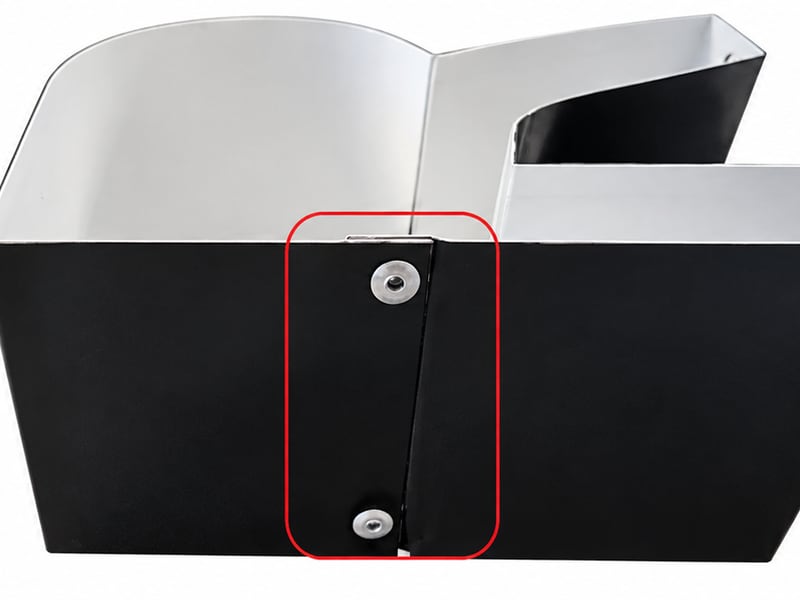
Drain holes let water out of a channel letter and connecting holes join its parts. See the UL 48 drain hole sizes and the 1/4 inch holes the EDGE-4 punches.
Read article →
How Section 179 lets a sign shop deduct qualifying equipment in 2026: the limits, which machines may qualify, a savings example, and the December 31 deadline.
Read article →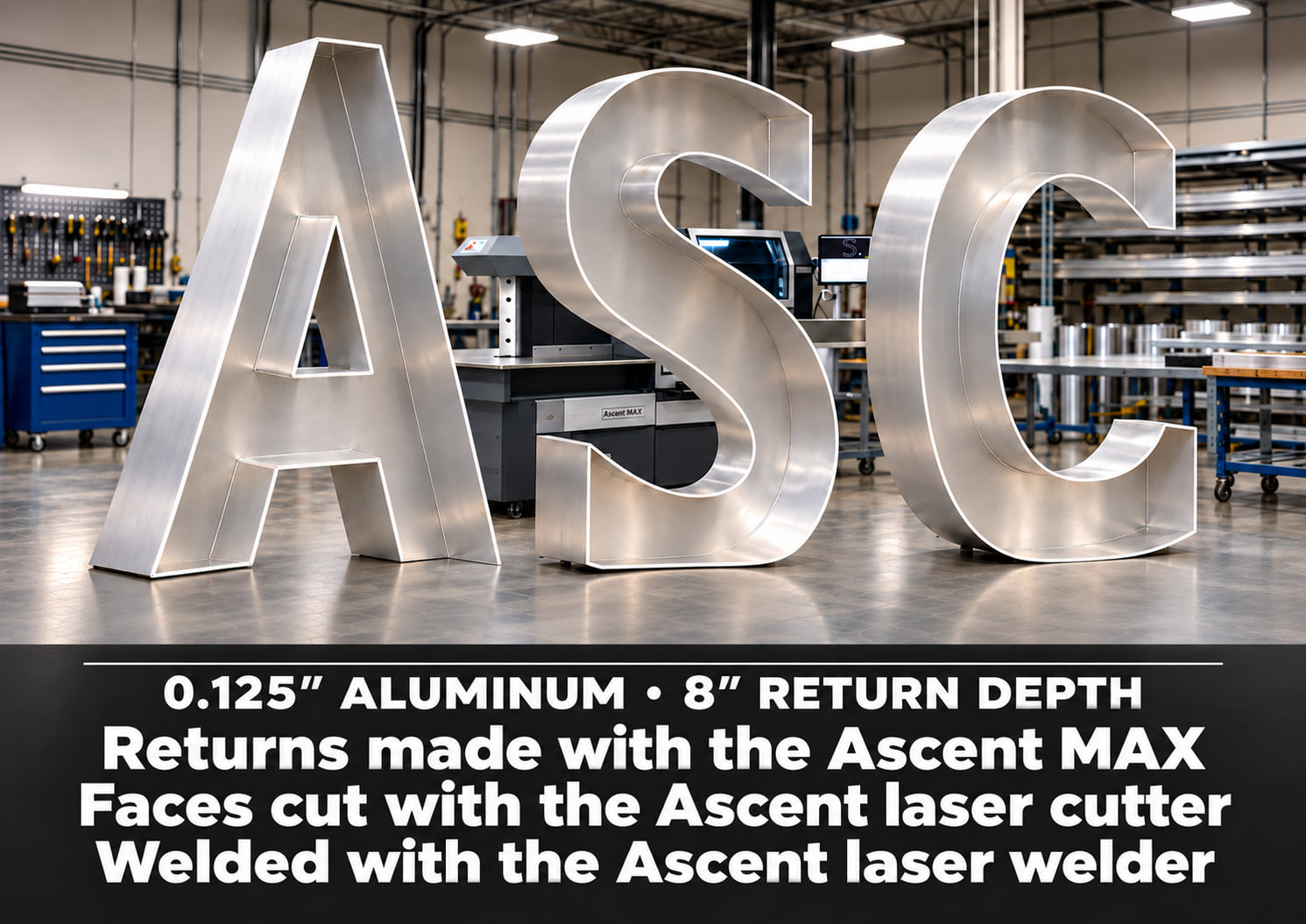
How to make oversized aluminum letters: cut the faces on an Ascent fiber laser, bend 0.125-inch returns on the MAX, and weld them with a handheld laser welder.
Read article →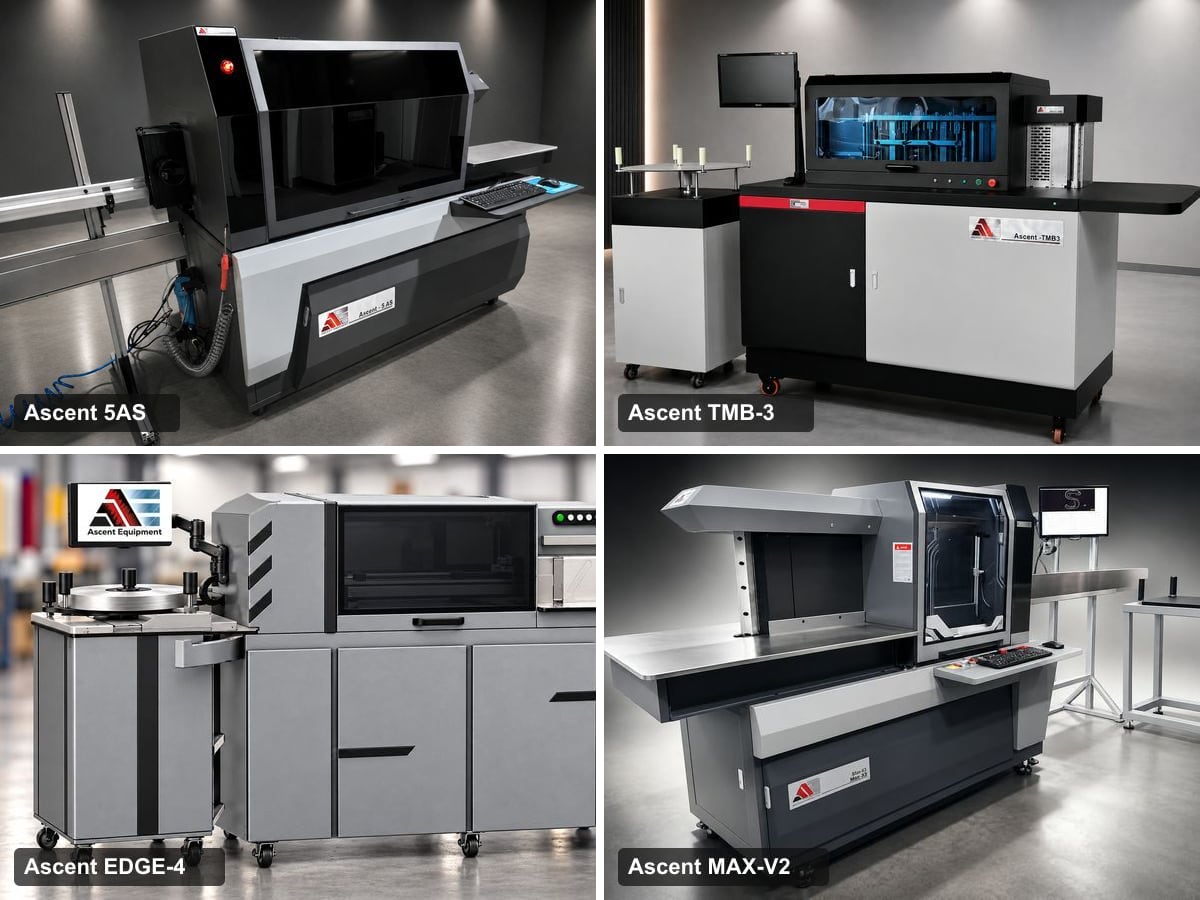
How the Ascent 5AS, TMB-3, EDGE-3/EDGE-4 and MAX differ, and why four specialized benders beat one all-in-one machine on price, speed and flexibility.
Read article →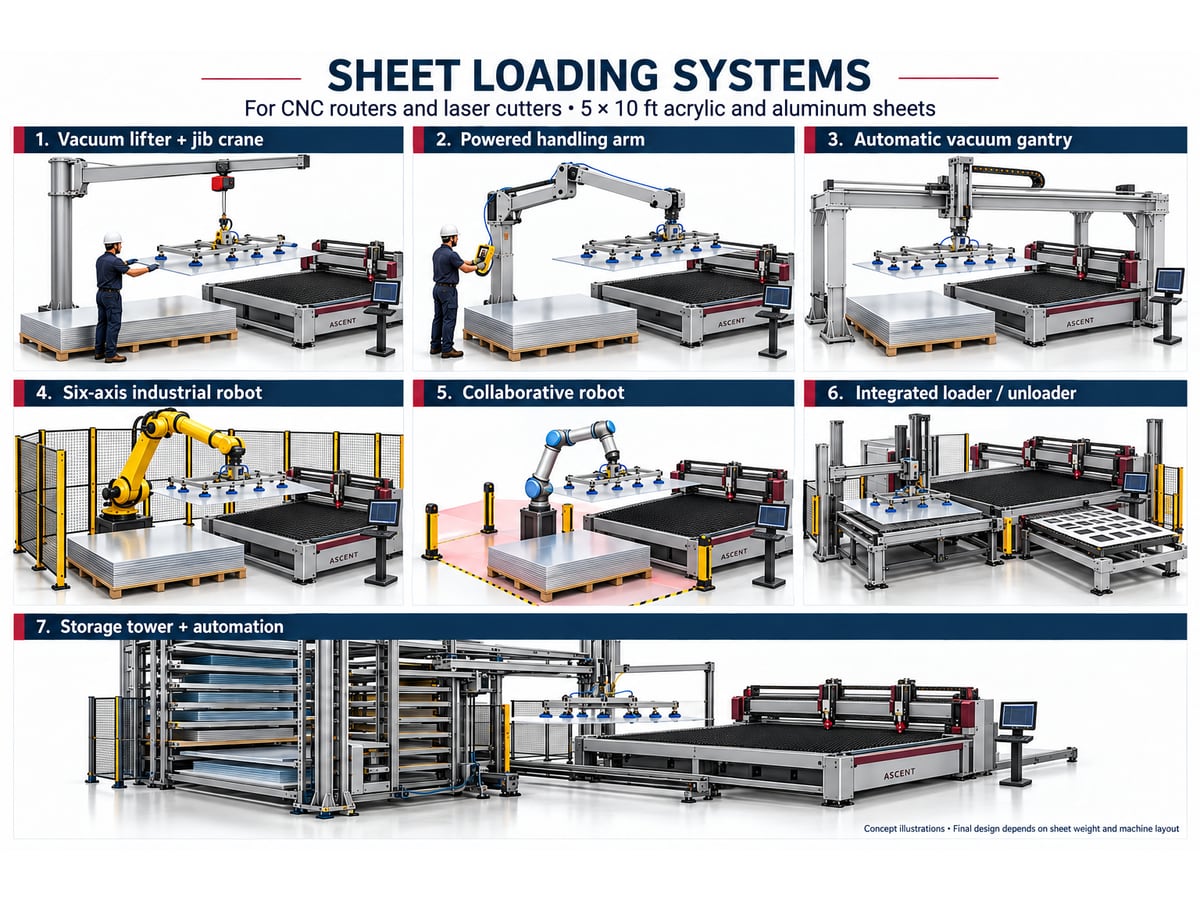
Options and budget costs for loading 5 × 10 ft acrylic and aluminum sheets onto a CNC router or laser cutter, from vacuum lifters to full robot cells.
Read article →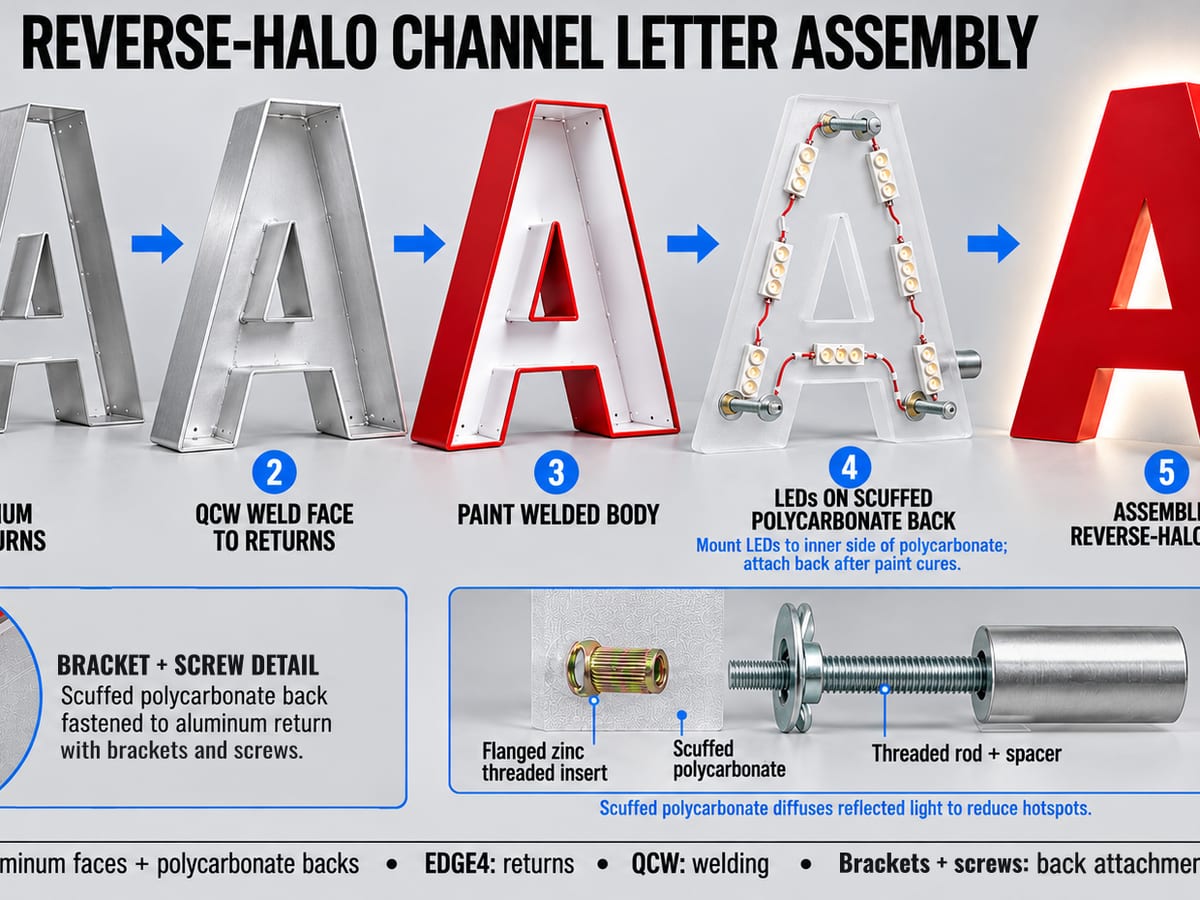
How to make front-lit channel letters with aluminum trim and reverse-halo letters with an Ascent CNC router, EDGE4, TMB3, stapler, and QCW laser welder.
Read article →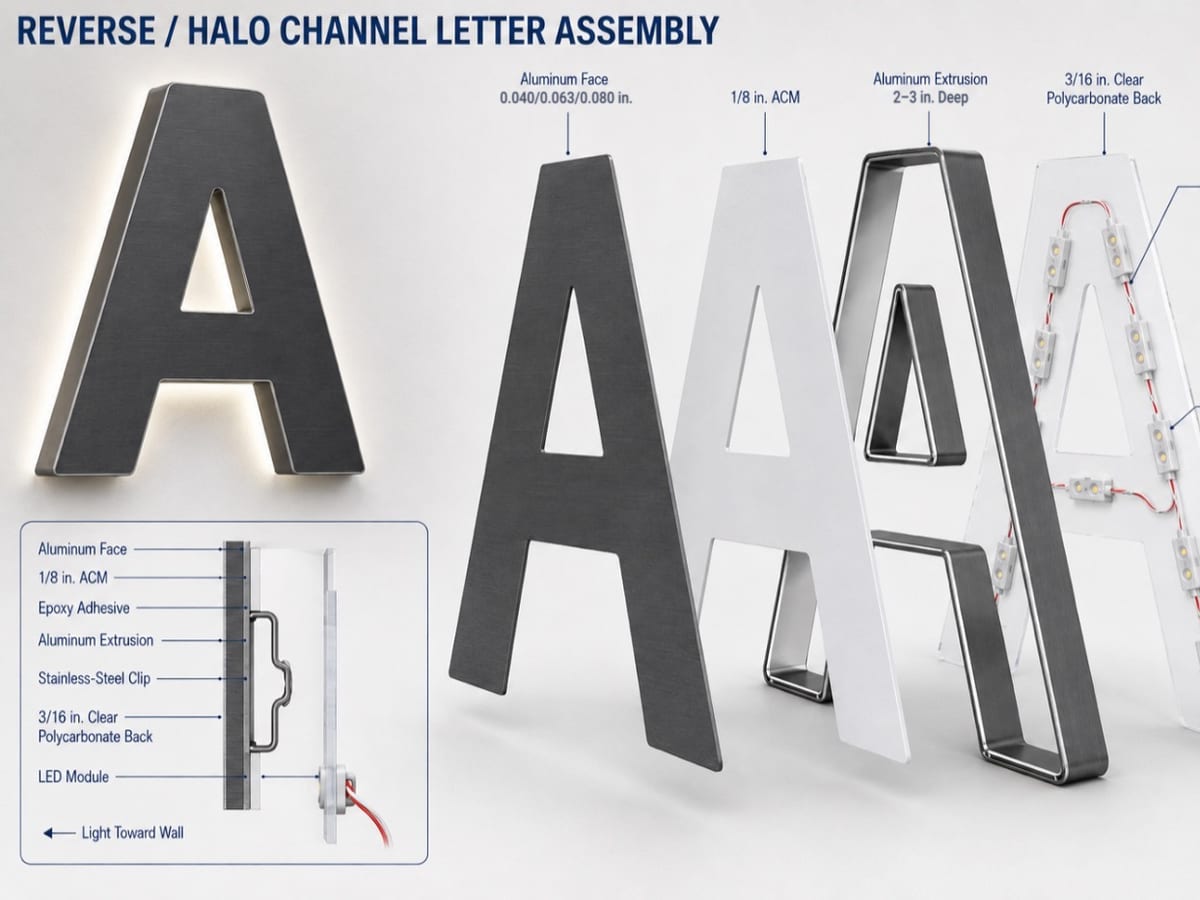
How to make trimless and reverse-halo channel letters with an Ascent CNC router, the 5AS bender, aluminum extrusions, and stainless-steel clips. No welding.
Read article →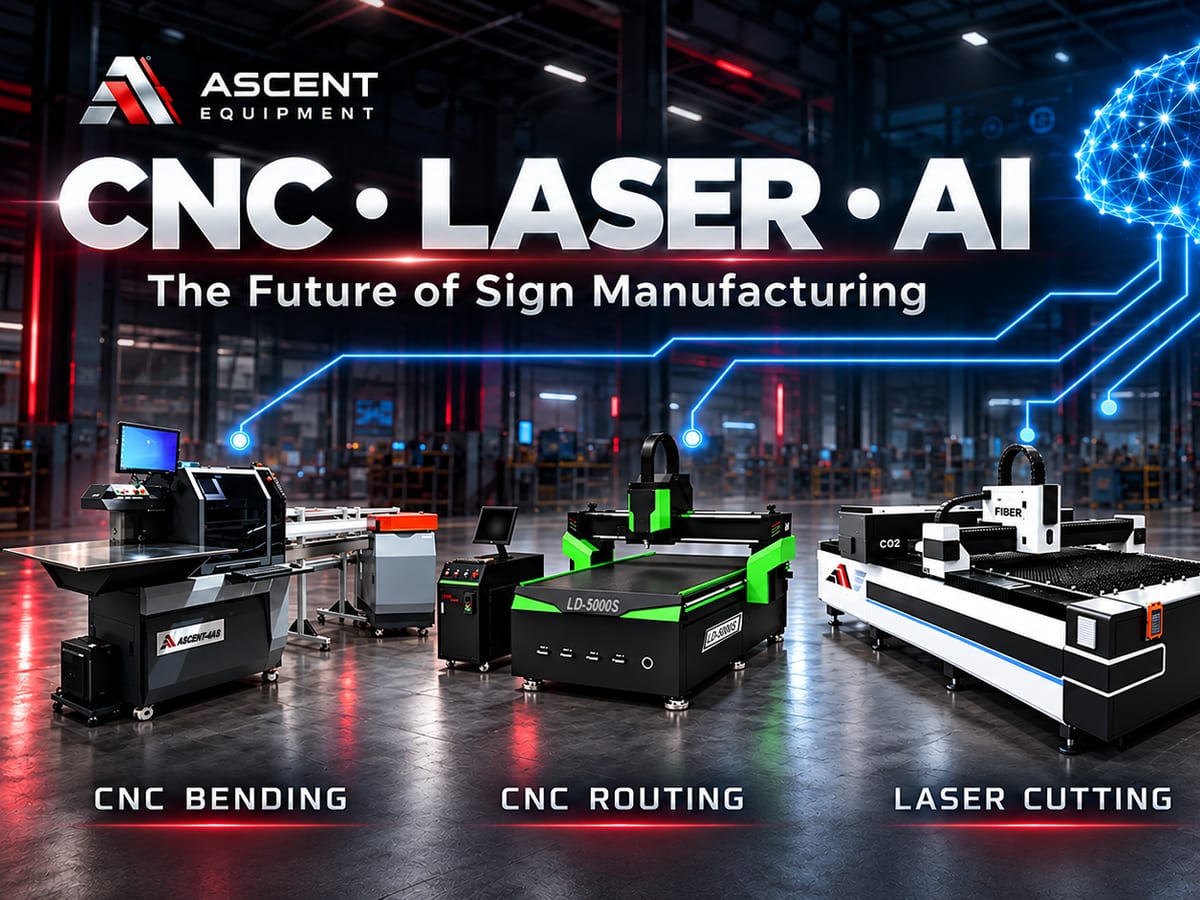
From CNC bending machines, routers, and laser cutters to AI tools for file prep, quoting, and inspection: how technology is changing the sign industry.
Read article →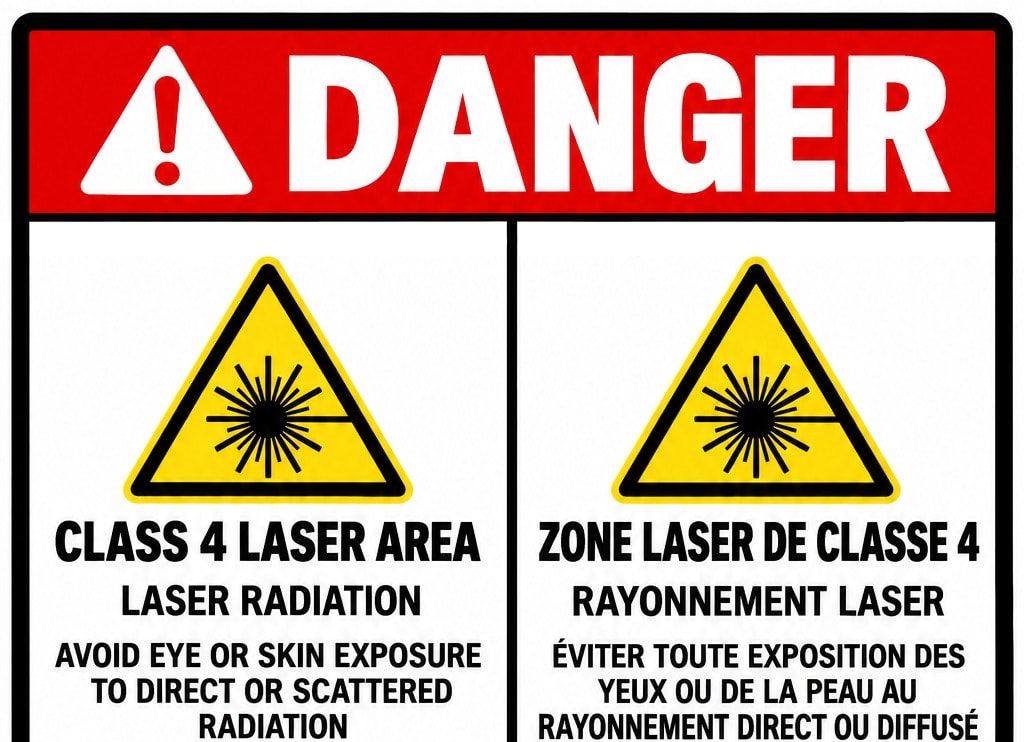
Class 4 industrial lasers in Canada answer to Health Canada, provincial workplace law and, in Alberta, registration. Here is who covers what before you start.
Read article →
Class 4 industrial lasers answer to FDA, OSHA and, in seven states, a registration program. Here is who regulates what and what to do before you fire one up.
Read article →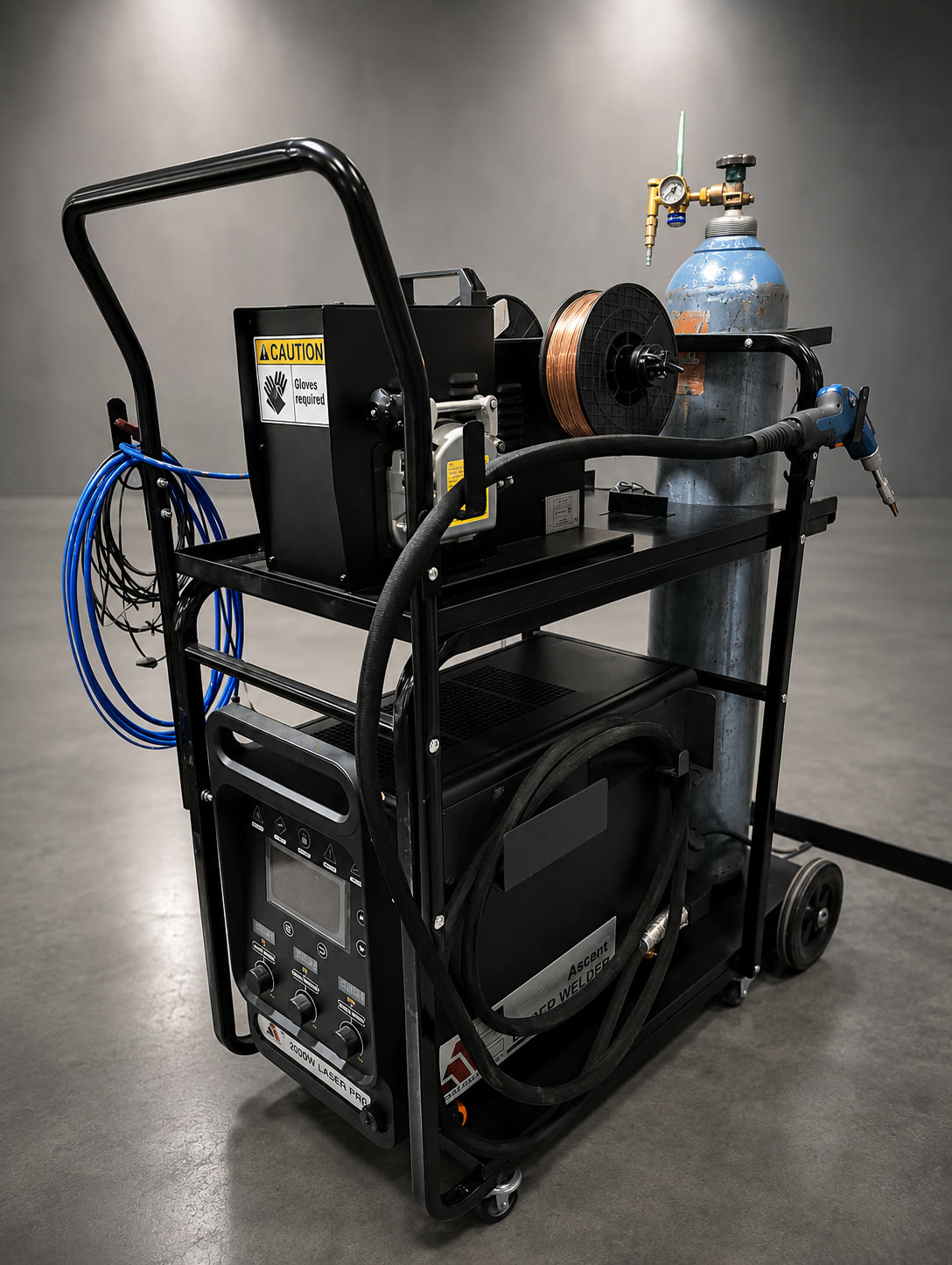
Power, cooling, pulsed vs. continuous, and what's actually in the price — a practical guide to buying your first laser welder without overpaying or underbuying.
Read article →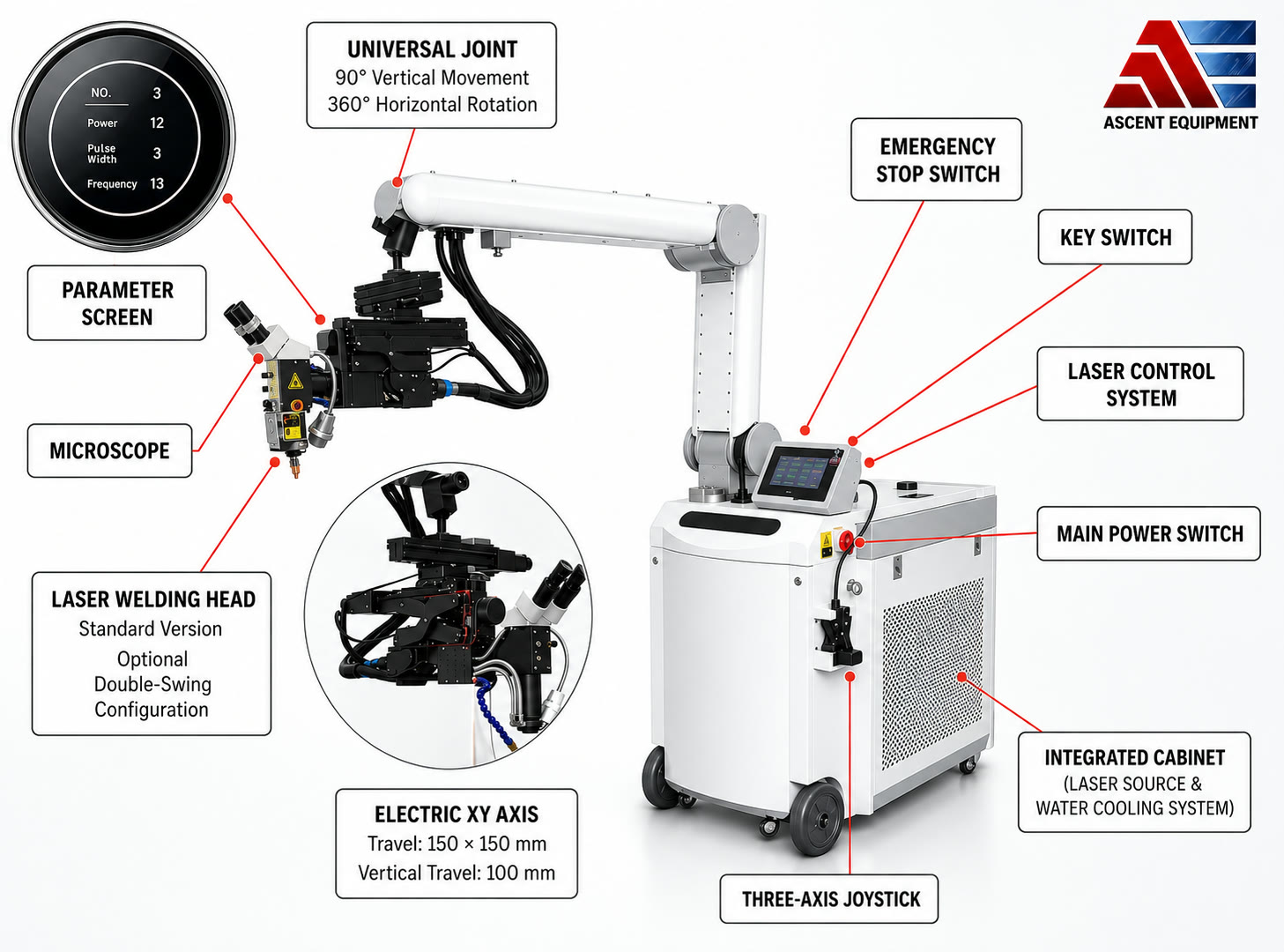
YAG, fiber, and QCW aren't three competing categories. A side-by-side comparison table, plus which technology actually fits which mold material.
Read article →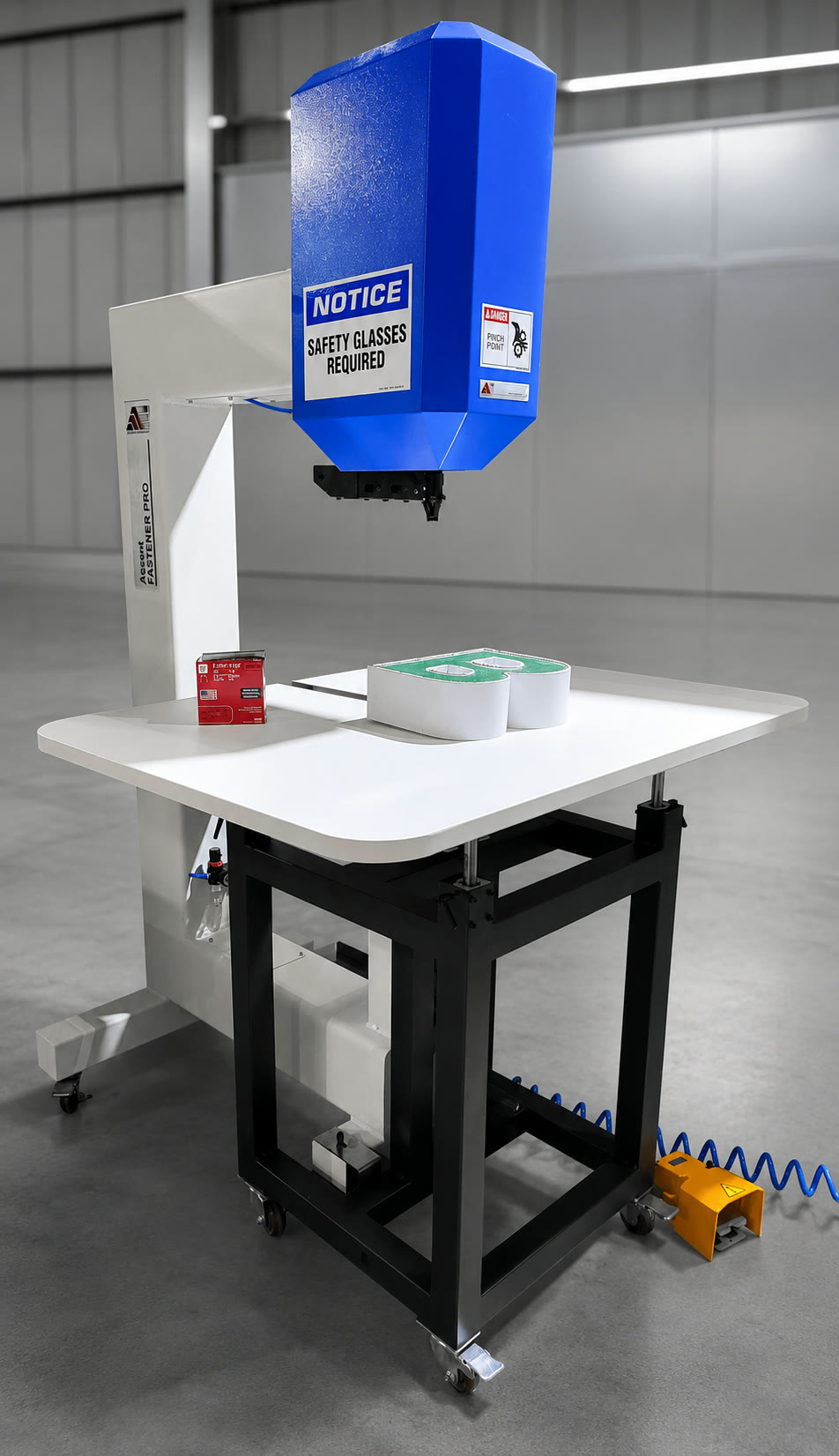
An honest look at five ways to join channel letter returns to backs — cost, speed, material range, and where Ascent's stapler fits and where it doesn't.
Read article →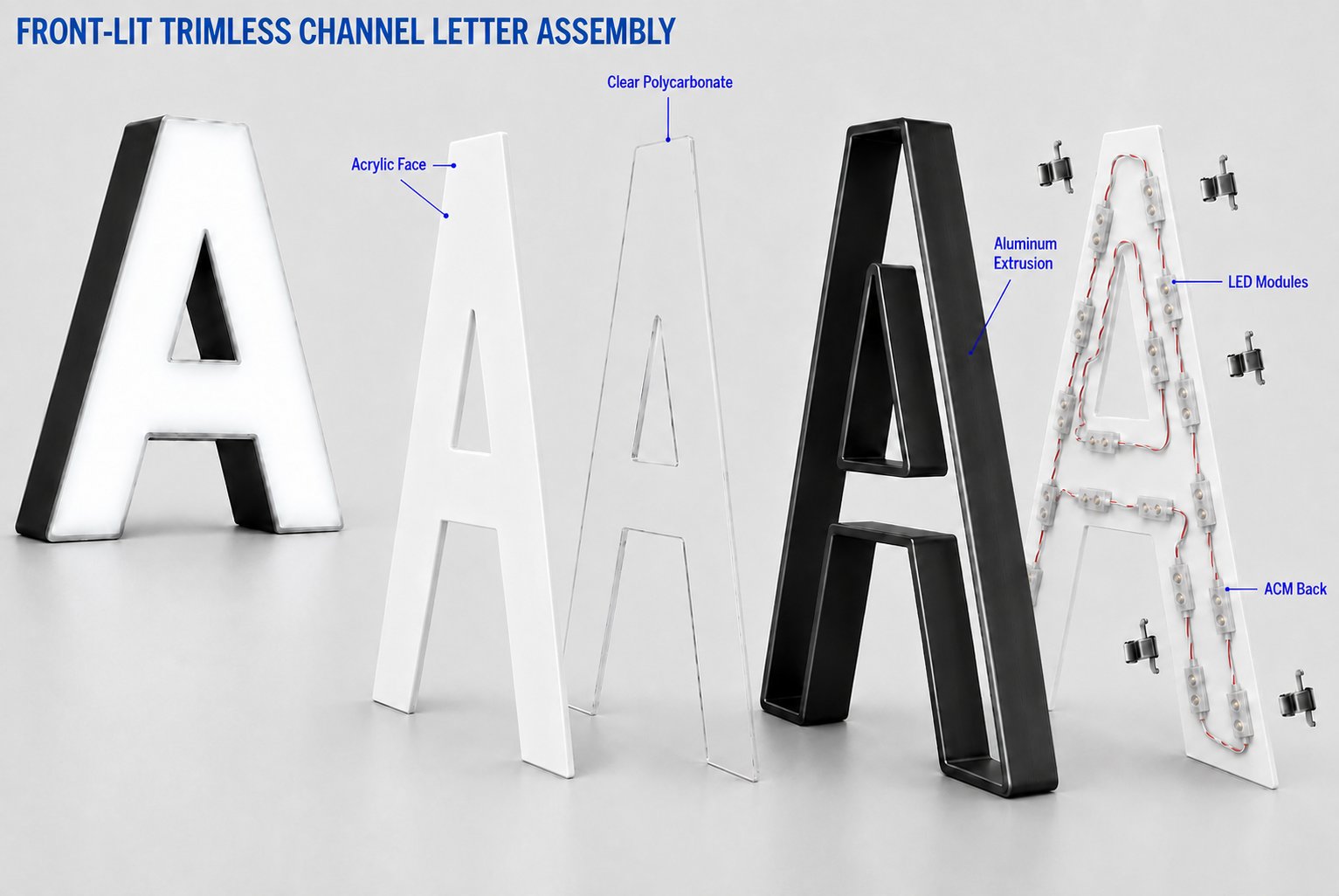
How Ascent's mechanically captured trimless construction compares to adhesive-bonded systems from the competition, from face attachment to material sourcing.
Read article →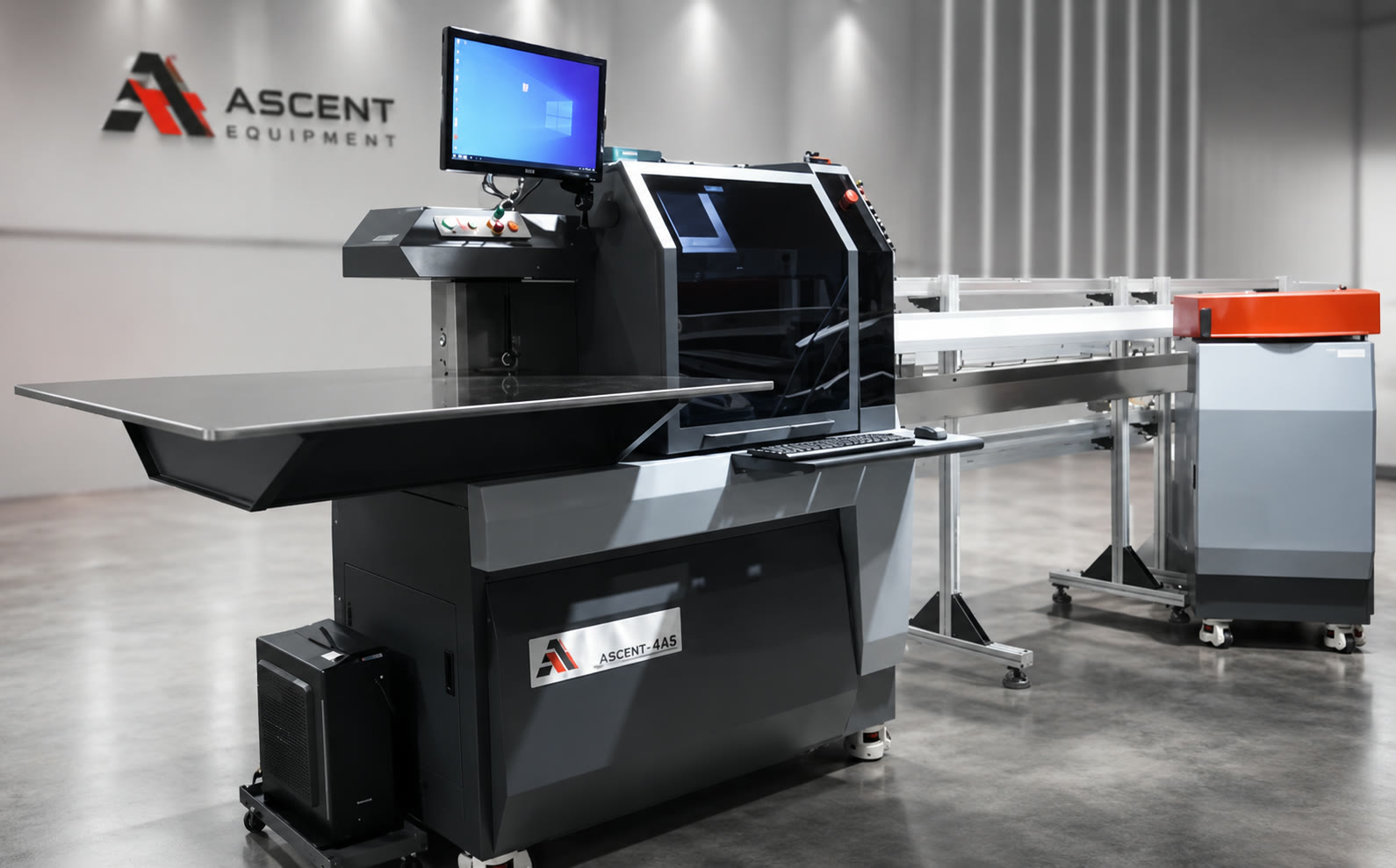
How Wholesale Sign Pro used the Ascent 4AS and Ascent extrusions to deliver trimless signage on schedule across a multi-location supermarket expansion.
Read article →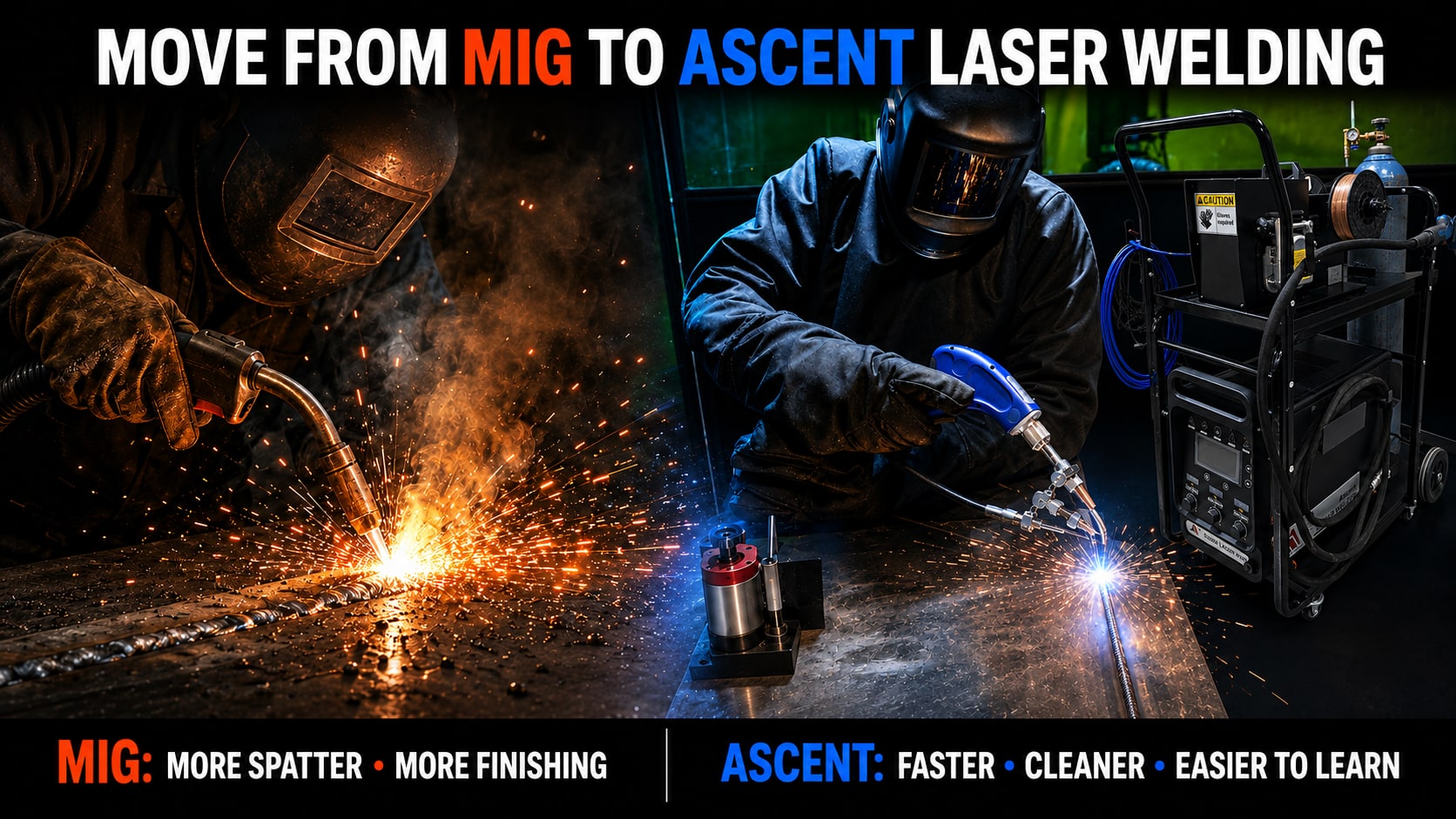
Skilled aluminum TIG welders are expensive and hard to hire. Here's the wage data behind training a production employee on an Ascent laser welder instead.
Read article →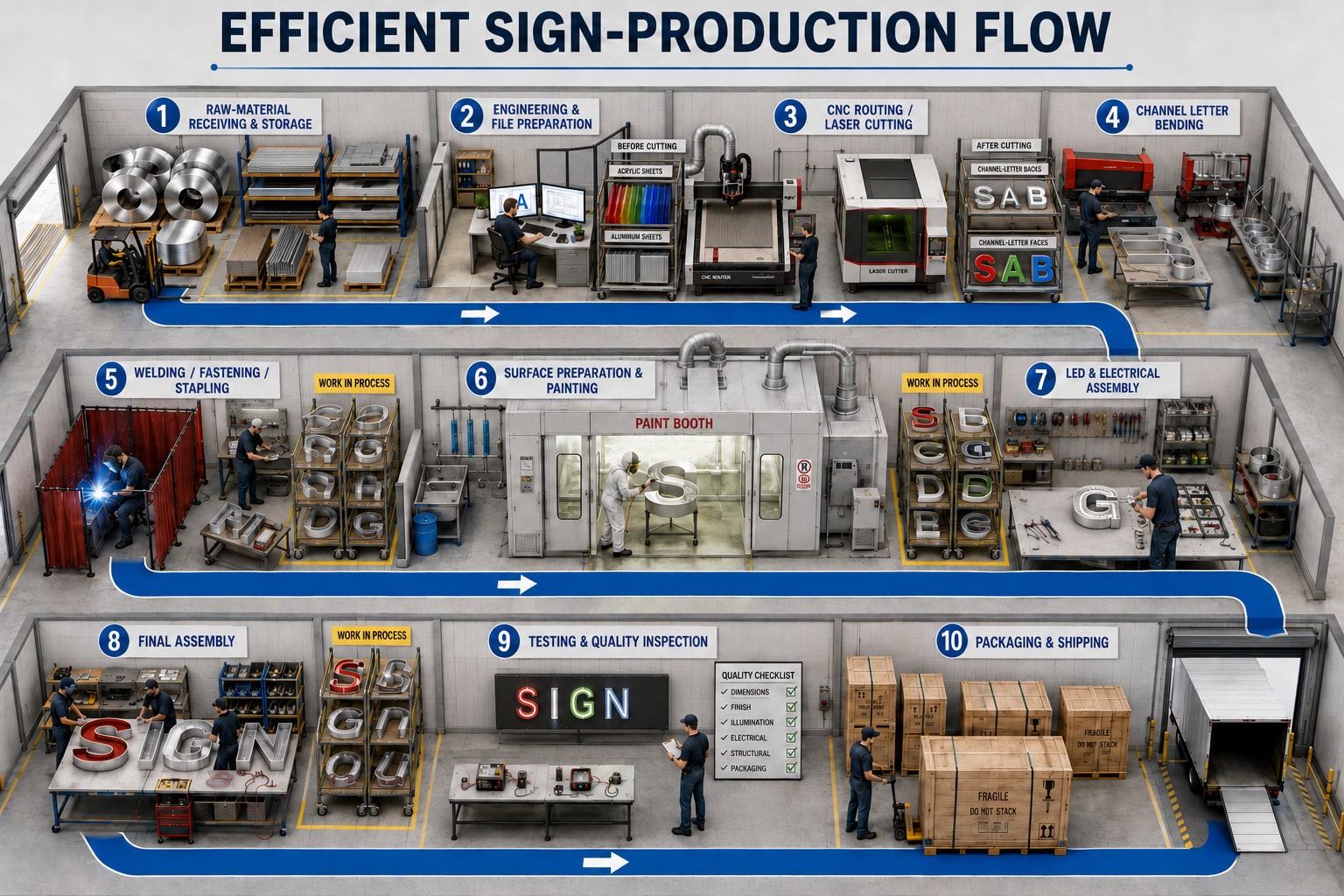
A practical guide to standardizing engineering, materials, equipment, and production in sign manufacturing, without losing the flexibility custom work requires.
Read article →
A practical guide to starting a channel-letter sign business — core equipment costs, real production capacity, and how to estimate your payback period.
Read article →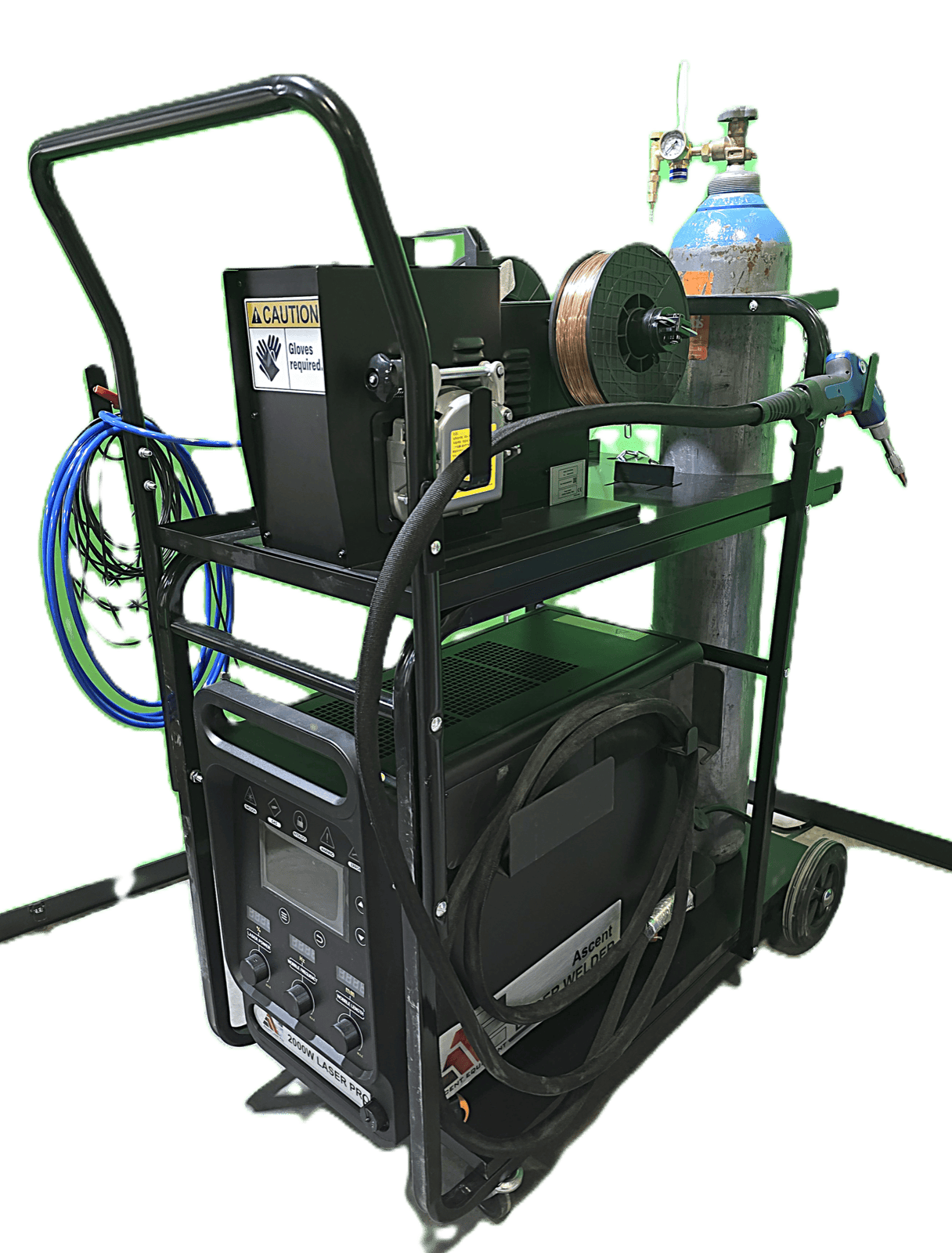
A complete look at the Ascent 2000W Handheld Fiber Laser Welder — refrigeration cooling, wobble-head welding, torch weight, and everything included.
Read article →
What to look for in a handheld laser welder for sign shops and channel letters: power, cooling, wire feeder, torch weight, and warranty compared.
Read article →
Why two specialized Ascent bending machines often cost less than one premium competitor machine, and cover more construction methods combined.
Read article →
How Ascent's true front-lit trimless channel letters differ from adhesive-bonded, edge-lit systems that other manufacturers also market as trimless.
Read article →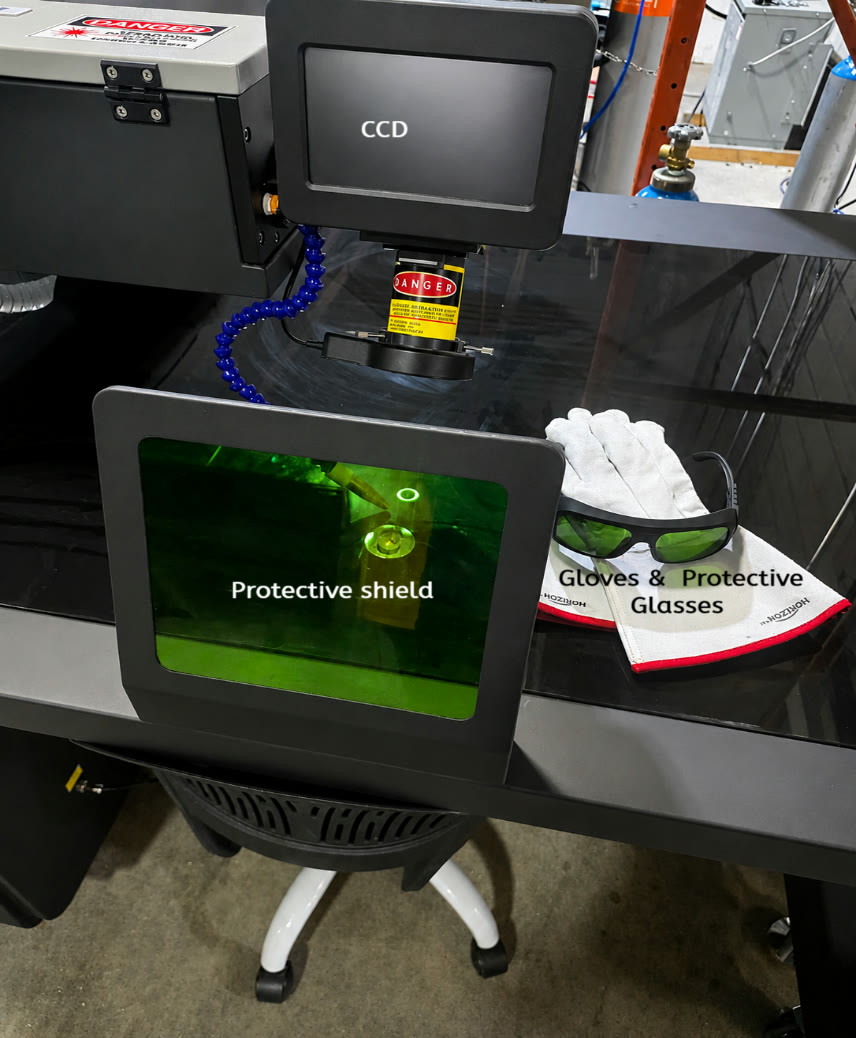
QCW pulsed lasers reduce heat, distortion, and burn-through on thin aluminum and stainless letters versus CW — but both remain Class 4 laser hazards.
Read article →
Ascent TMB-3 forms economical flat aluminum coil with PVC backing into trim-cap-style trim. The 5AS processes a premium F-trim profile requiring polycarbonate.
Read article →
A setup guide for handheld laser welding stations — table height, fixturing, fume extraction, safety zone layout, and cable management.
Read article →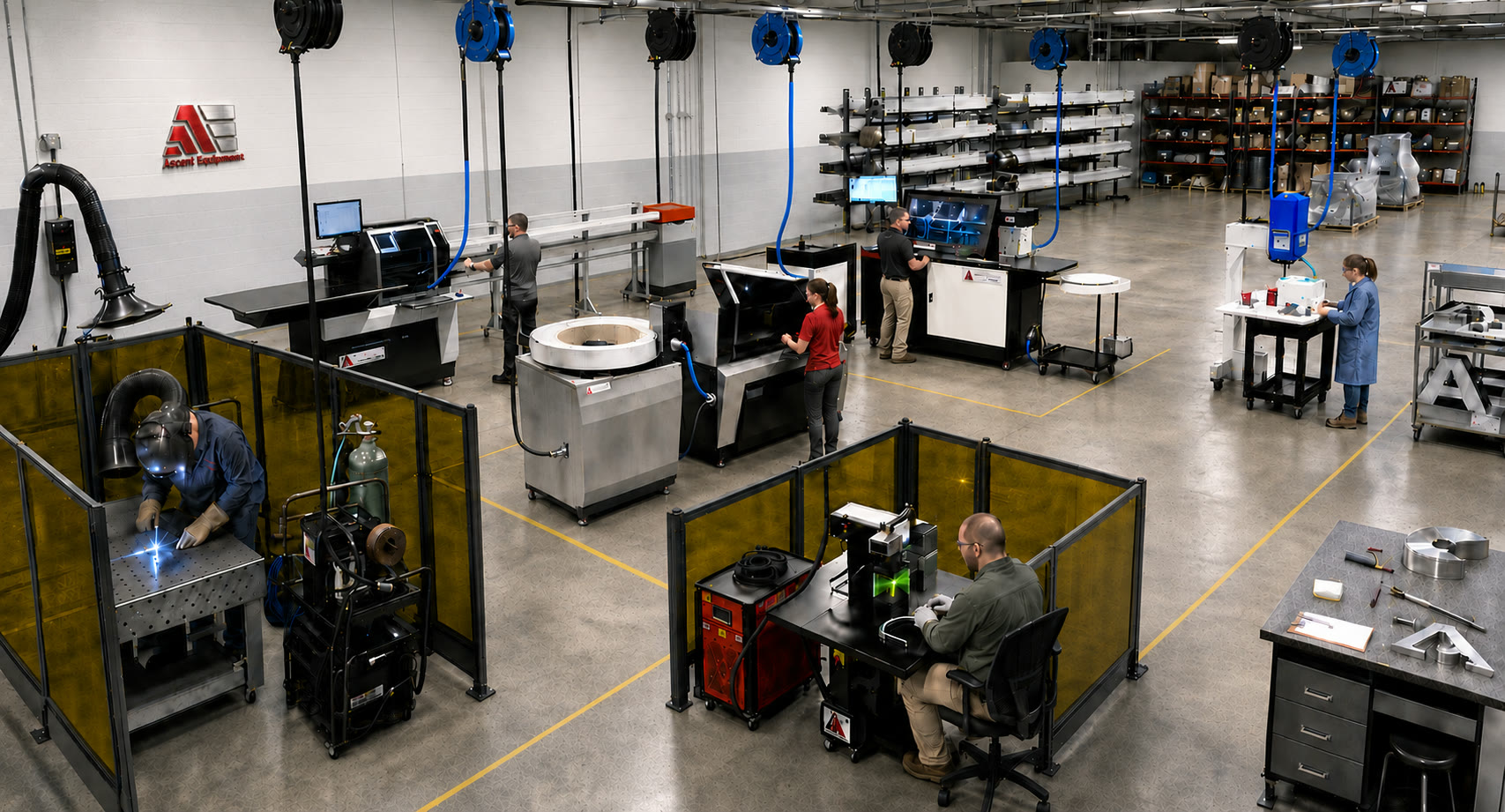
Labor is the #1 cost in channel letter production. A guide to hiring the right person and realistic timelines for each machine in the workflow.
Read article →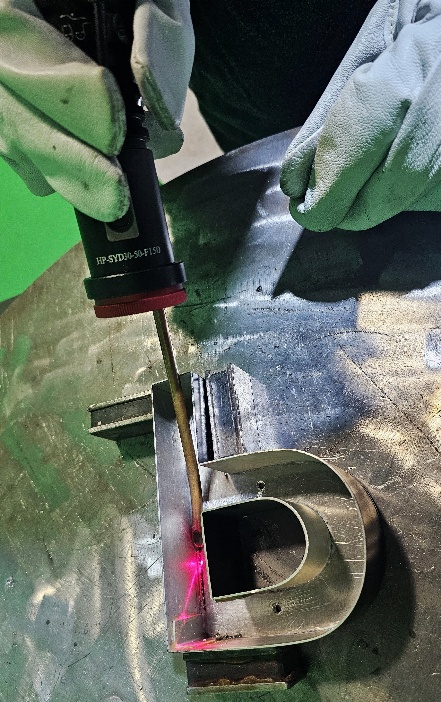
A gap between welded parts isn't just a defect — it's a beam transmission hazard. How to achieve proper fit-up and fixture parts correctly.
Read article →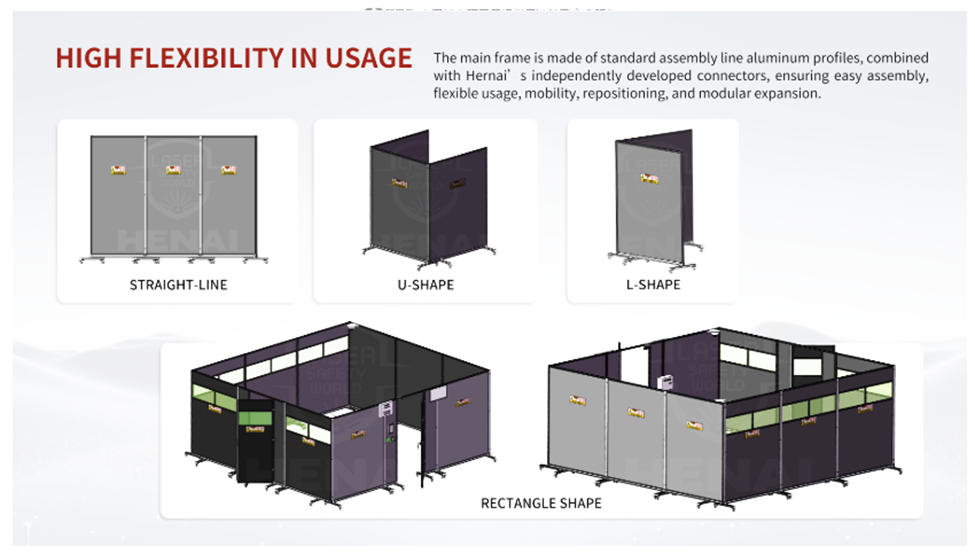
Not every material stops a fiber laser beam. Which flexible and rigid materials absorb or reflect 1070nm energy, and how to use them safely.
Read article →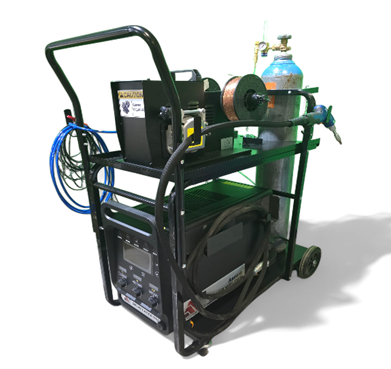
An experienced welder's skepticism about switching to laser is rational. How to address it honestly — performance, safety, and the close.
Read article →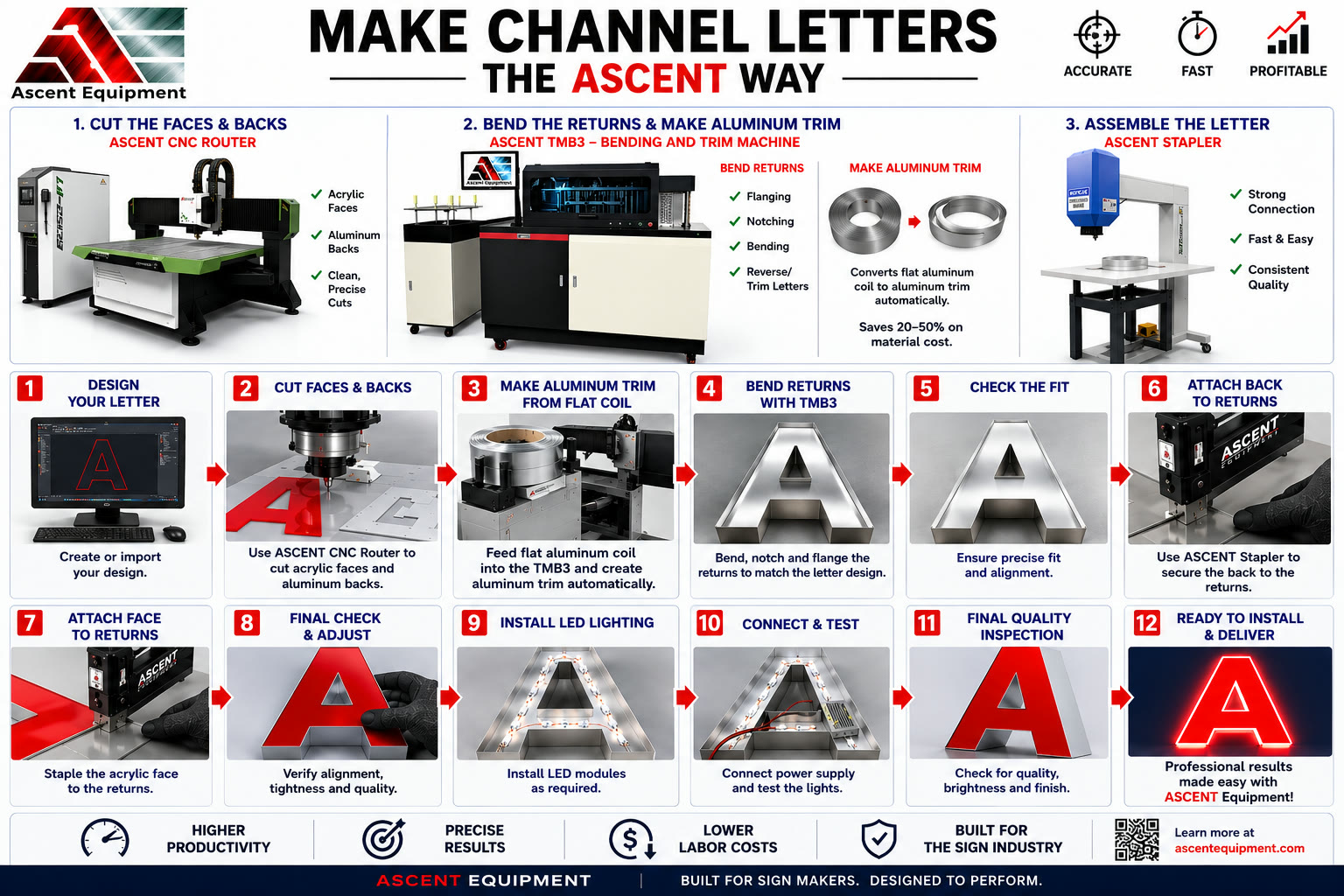
A step-by-step guide to building a channel letter with the Ascent CNC Router, Ascent TMB-3, and Stapler — including how the TMB-3 saves 20–50% on material.
Read article →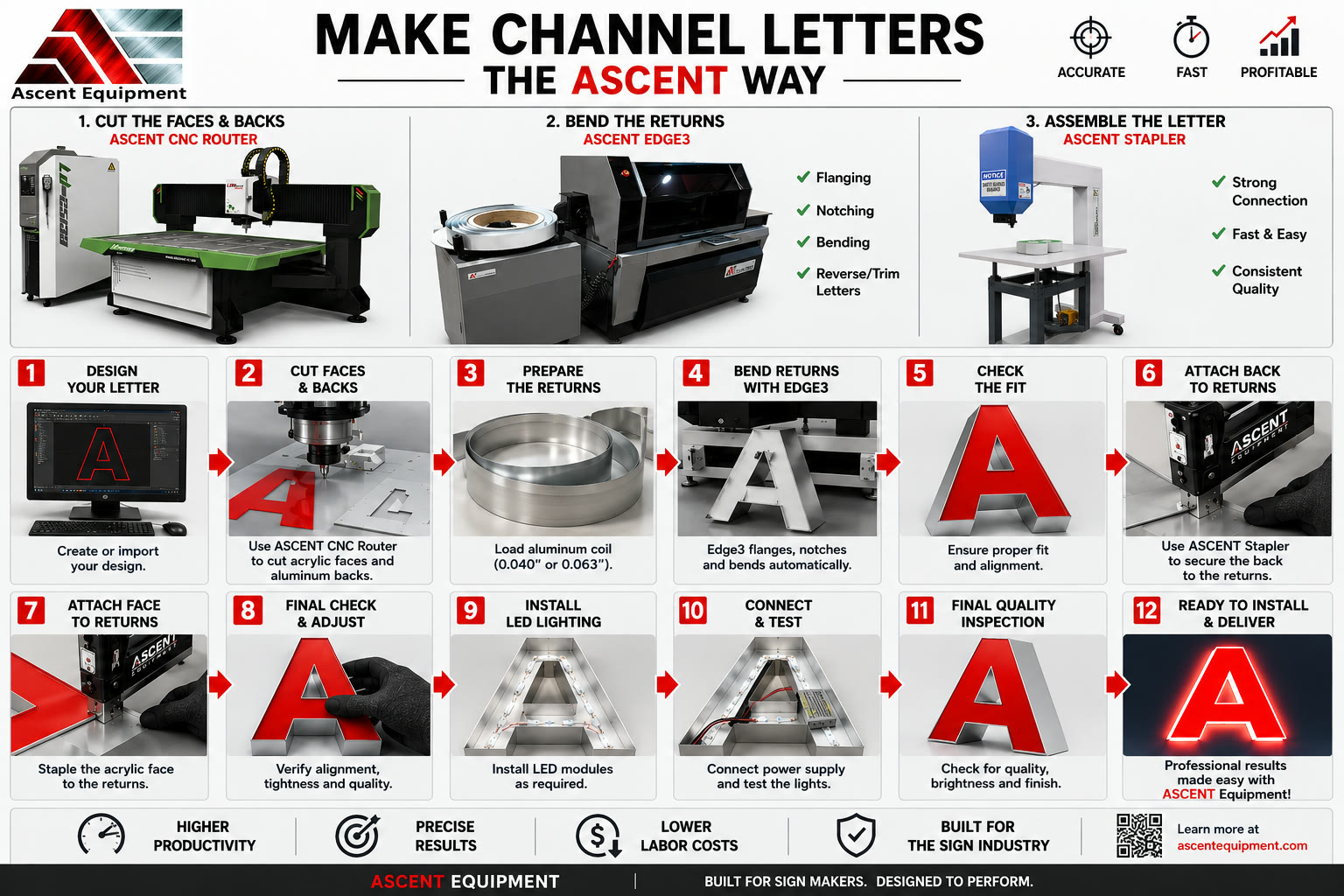
A step-by-step walkthrough of building a channel letter with the Ascent CNC Router, Ascent EDGE-3, and Stapler — faster and more accurate than hand methods.
Read article →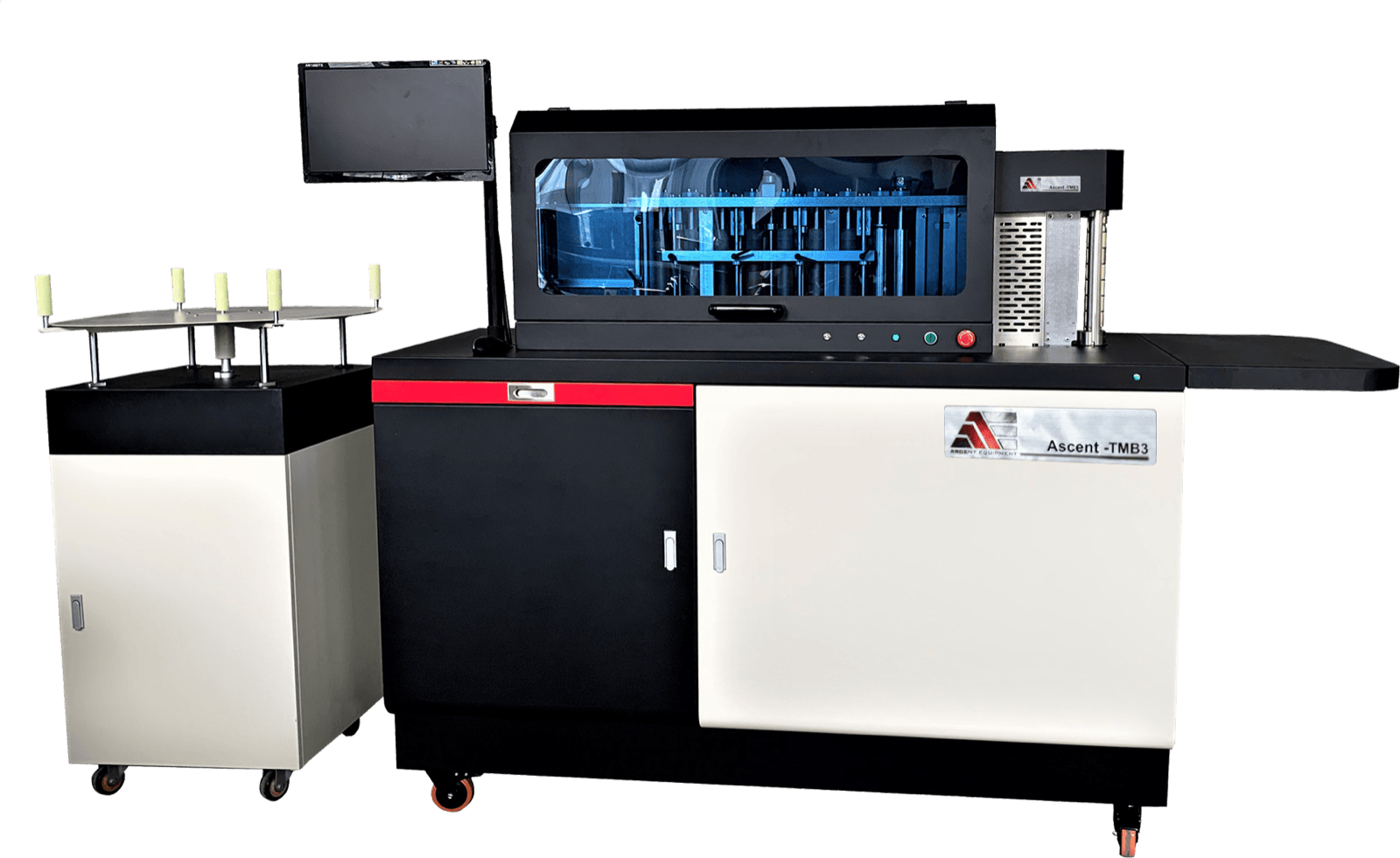
How the Ascent TMB-3 converts flat aluminum coil into trim cap on demand — why aluminum outlasts plastic and the cost savings in practice.
Read article →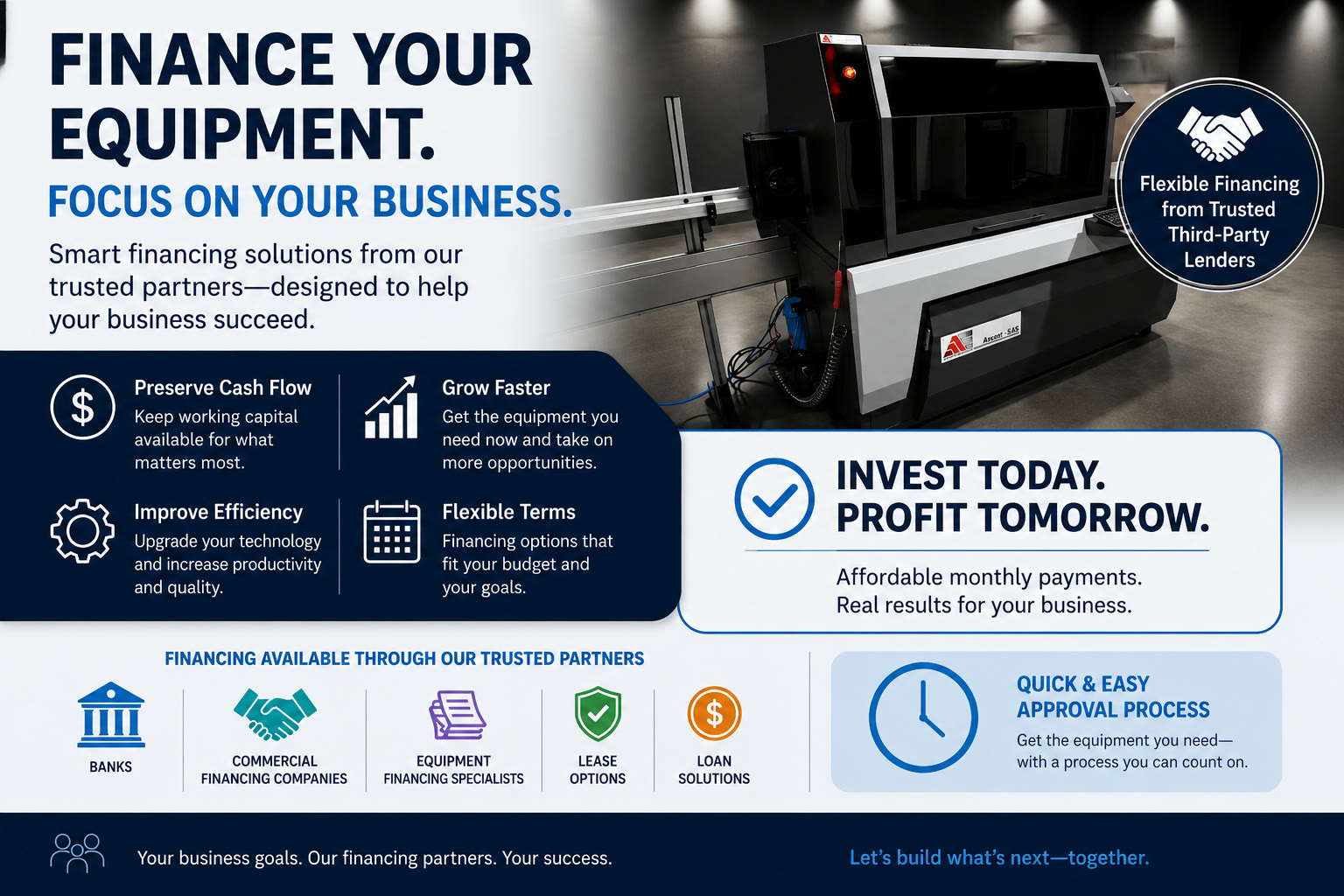
For most sign companies, the decision isn't whether to buy — it's how to pay. Purchasing outright vs. financing, and how IRS Section 179 helps.
Read article →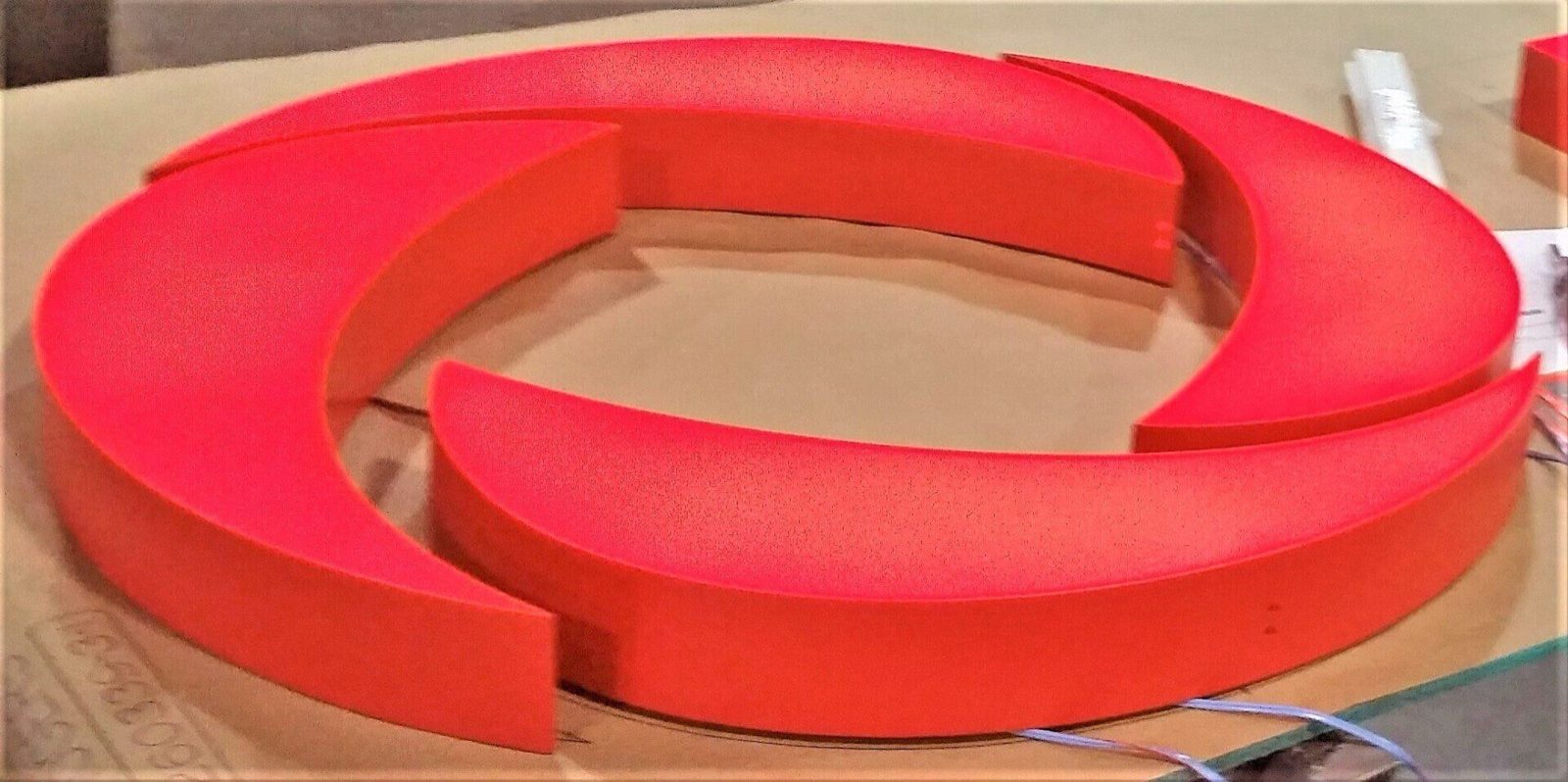
The sign industry's 2026 buying decisions are driven by labor shortages and profitability — who's buying and why Ascent fits.
Read article →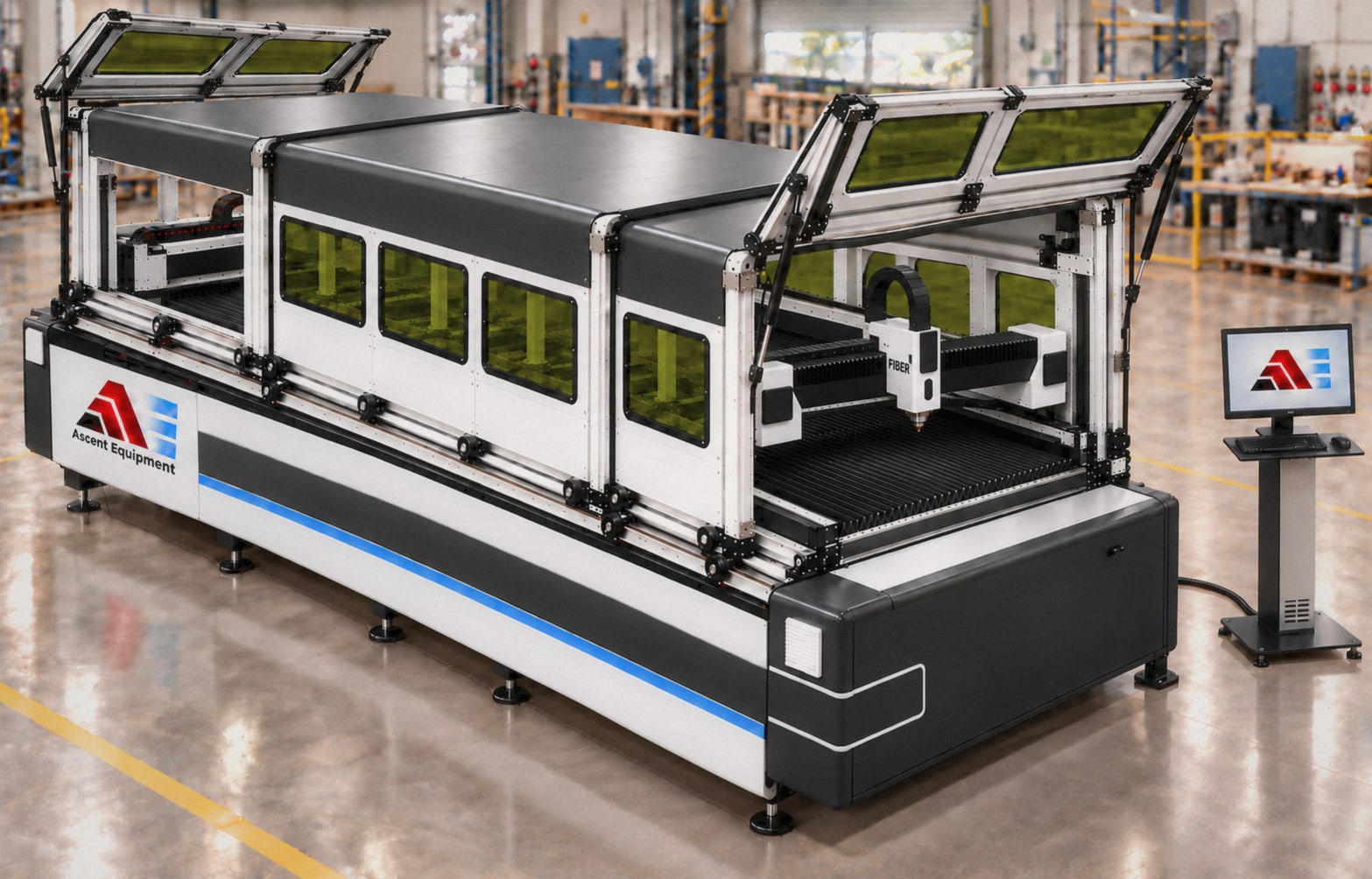
Consumables, replacement schedules, and spare parts for a dual-gantry CO₂ and fiber laser cutter — so downtime never catches you off guard.
Read article →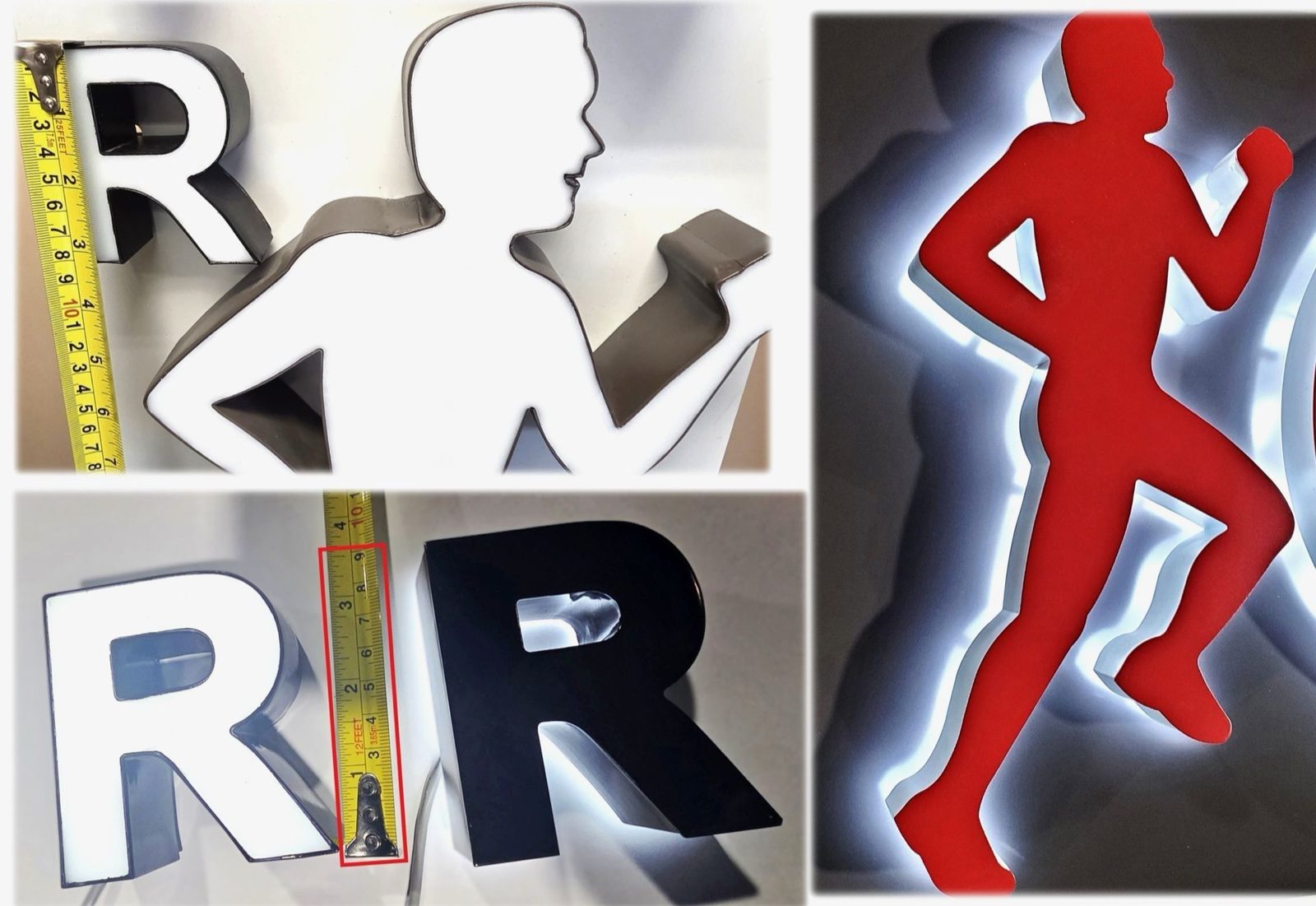
A pricing guide for channel letter fabricators — the inch rule, cost-plus method, and how each Ascent machine changes your cost structure.
Read article →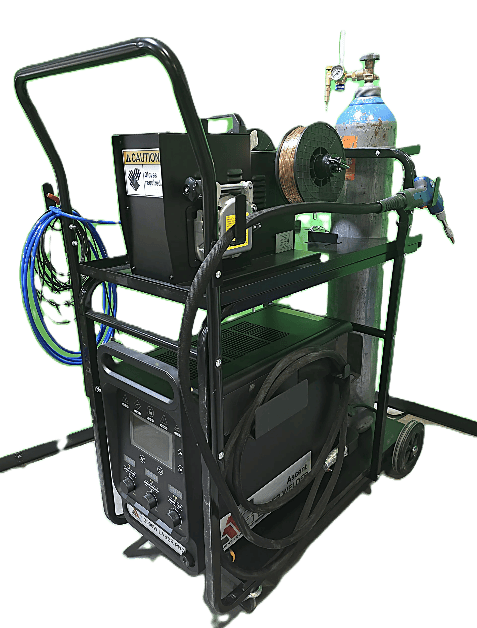
A feature-by-feature comparison of the Ascent 2000W Refrigeration Laser Welder against competitors — cooling, duty cycle, and operating costs.
Read article →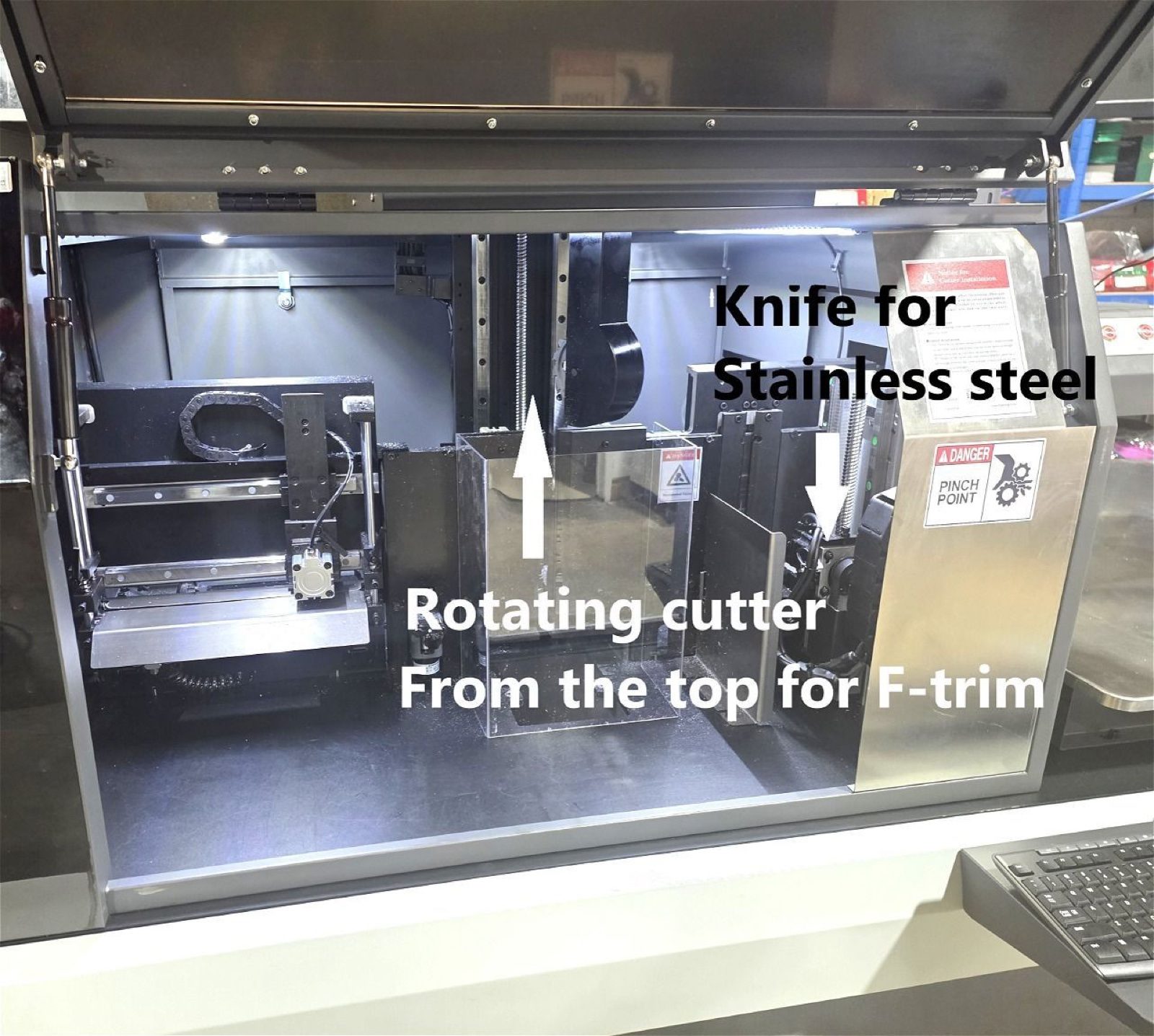
Hand-bending takes 30–45 minutes per letter. A bending machine does it in 3–4. Here's what that shift looks like inside a sign shop.
Read article →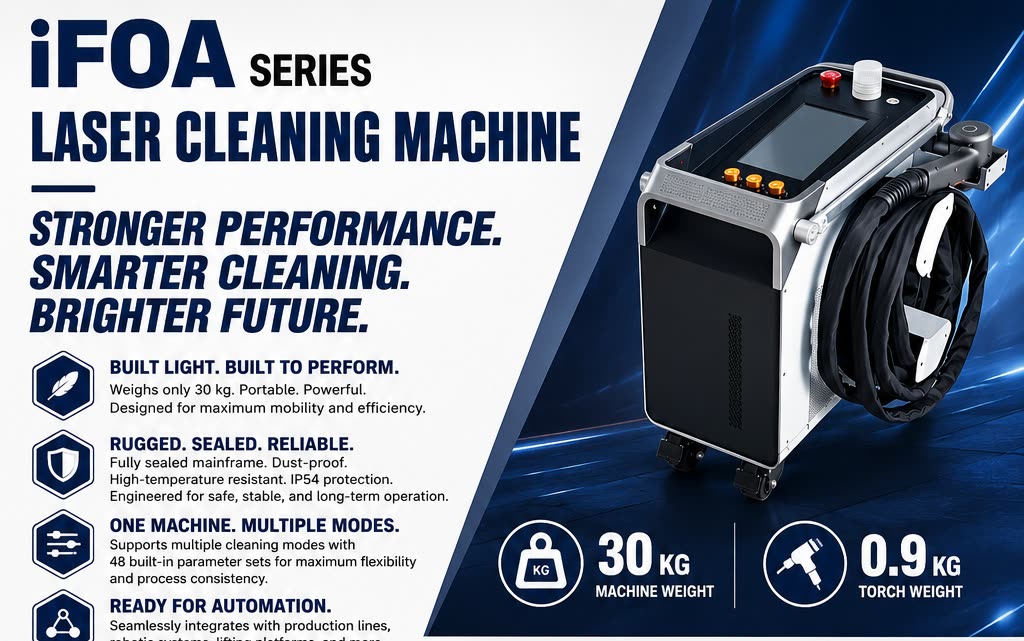
Pulsed or continuous wave? 100W or 3000W? Every major decision when buying a fiber laser cleaner — power, cooling, and applications.
Read article →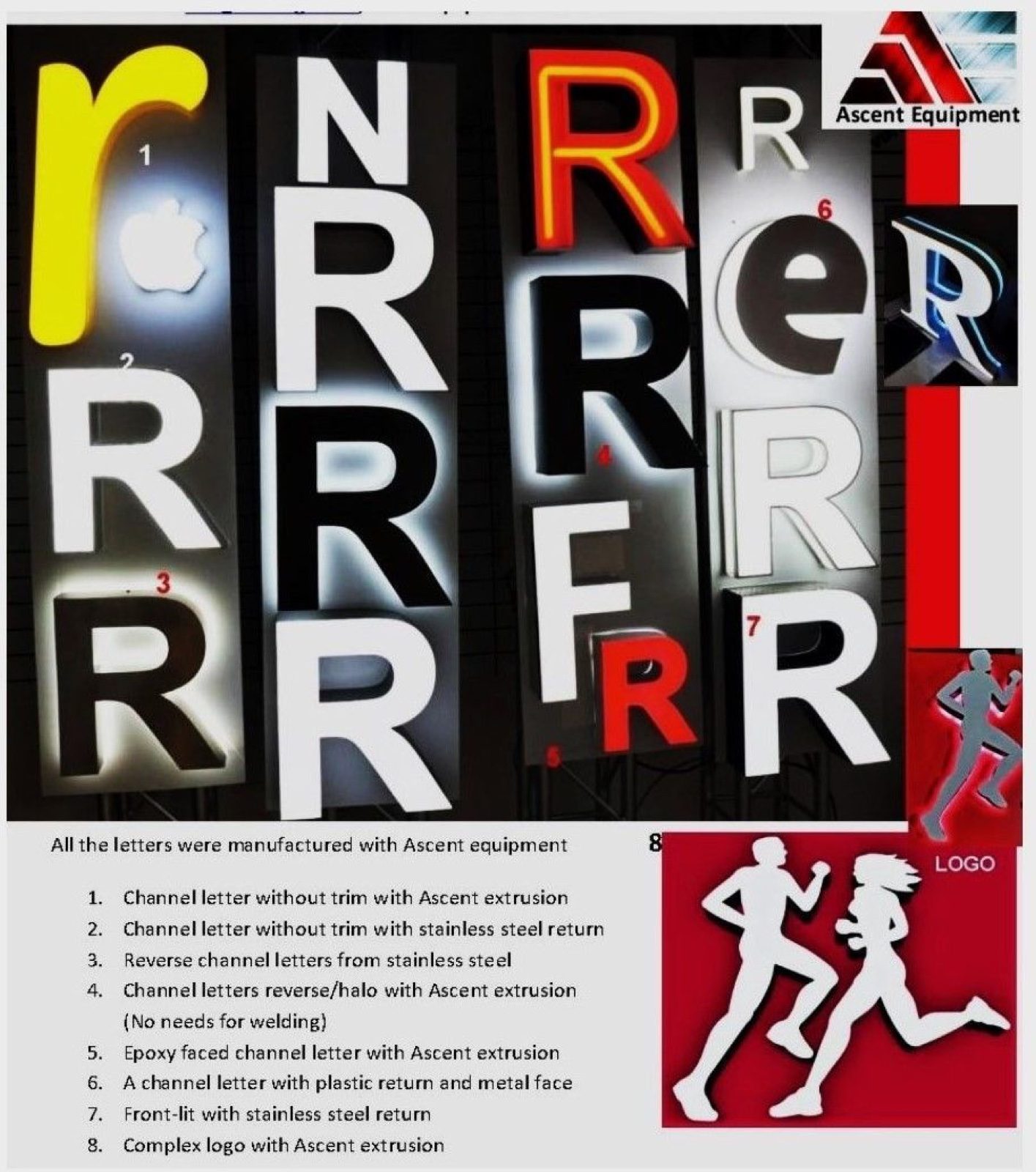
Most sign shops piece together equipment from multiple vendors. Ascent is a supplier that covers the complete workflow — bender, welder, cutter.
Read article →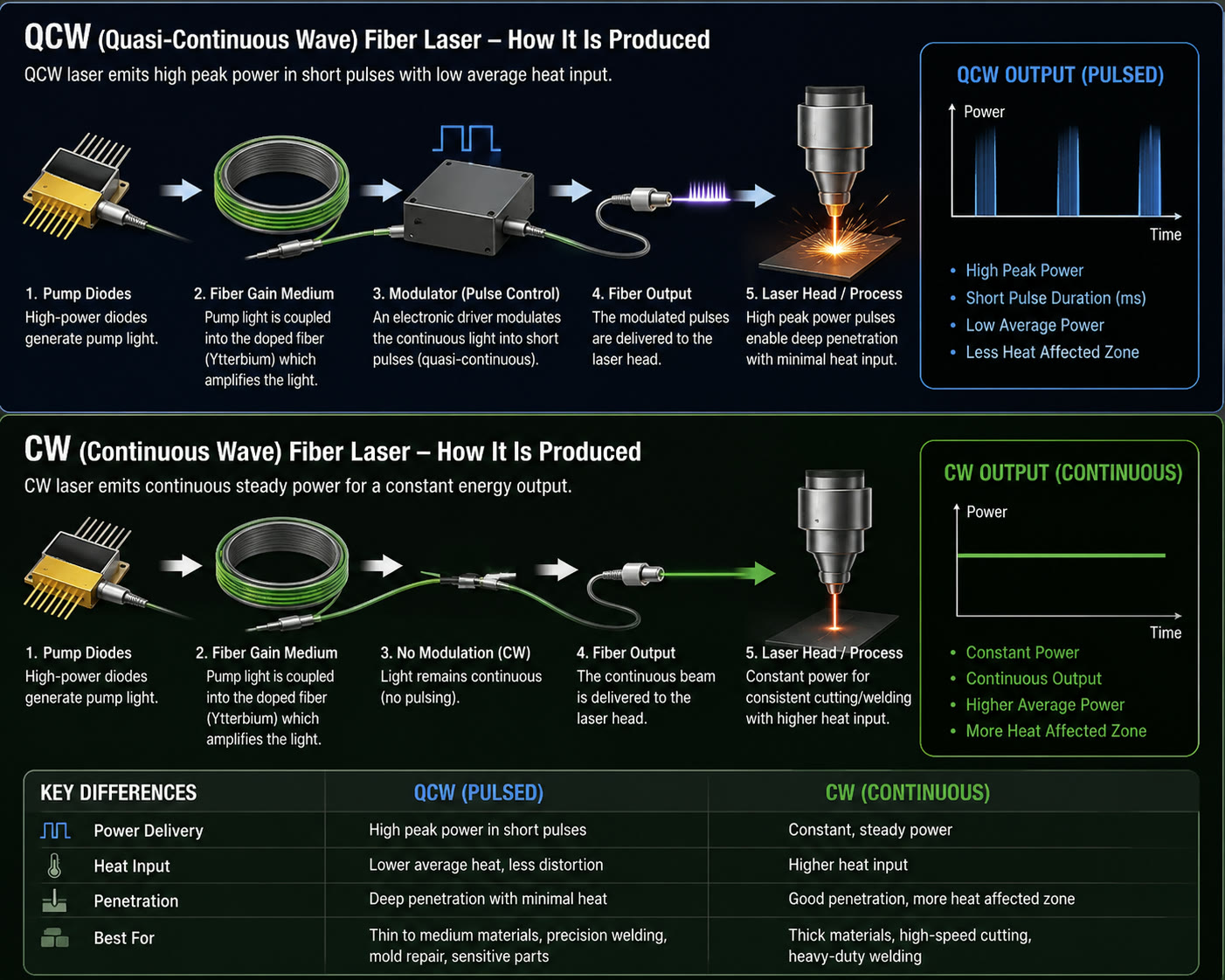
A direct comparison of the Ascent QCW tabletop welder and the 2000W handheld welder — applications, heat input, speed, and which to buy.
Read article →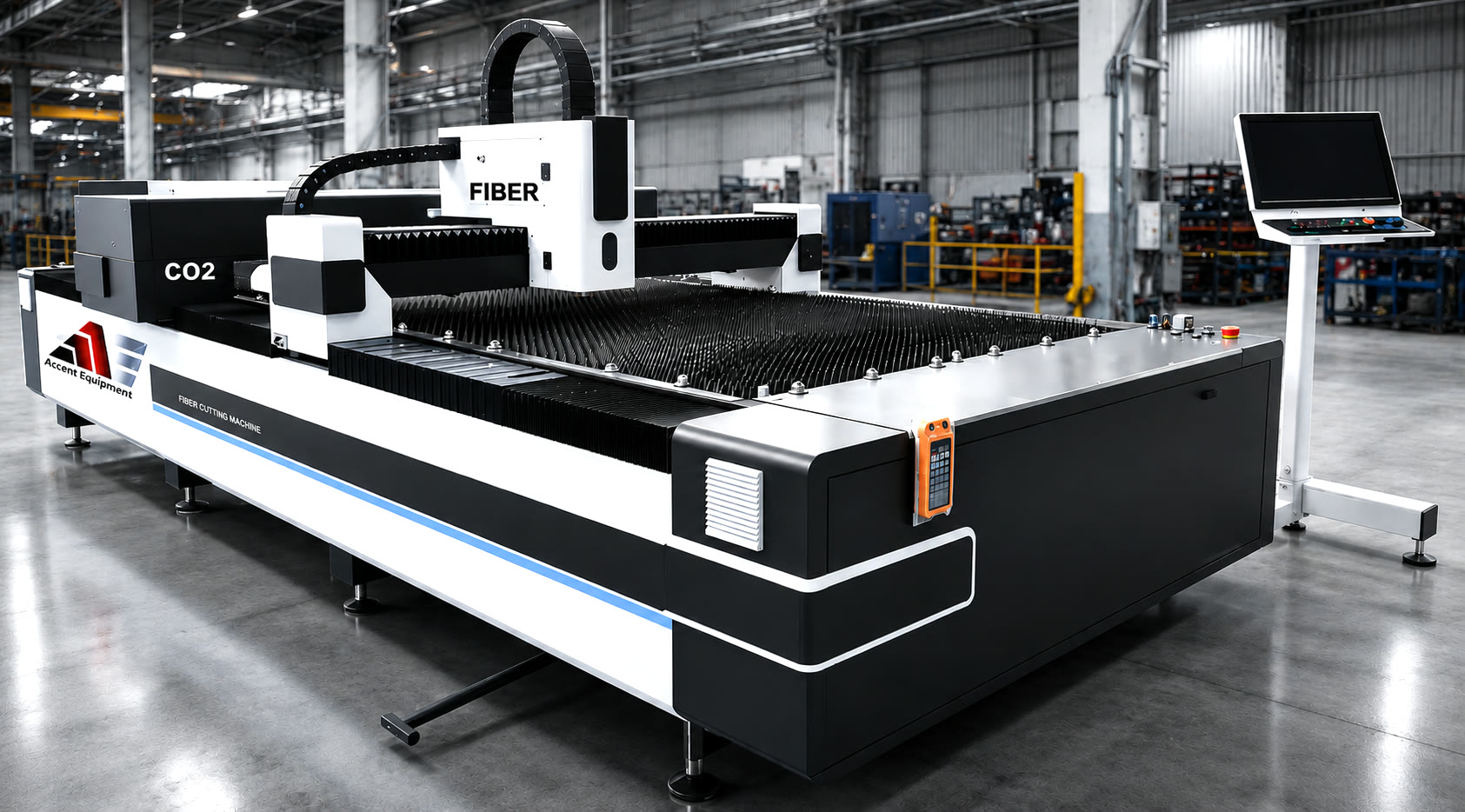
A direct comparison of CO₂ and fiber laser cutting — materials, edge quality, speed, operating costs, and when to run both.
Read article →
A reference guide to channel letter materials — aluminum coil gauges, extrusion profiles, face materials, back panels, and hardware.
Read article →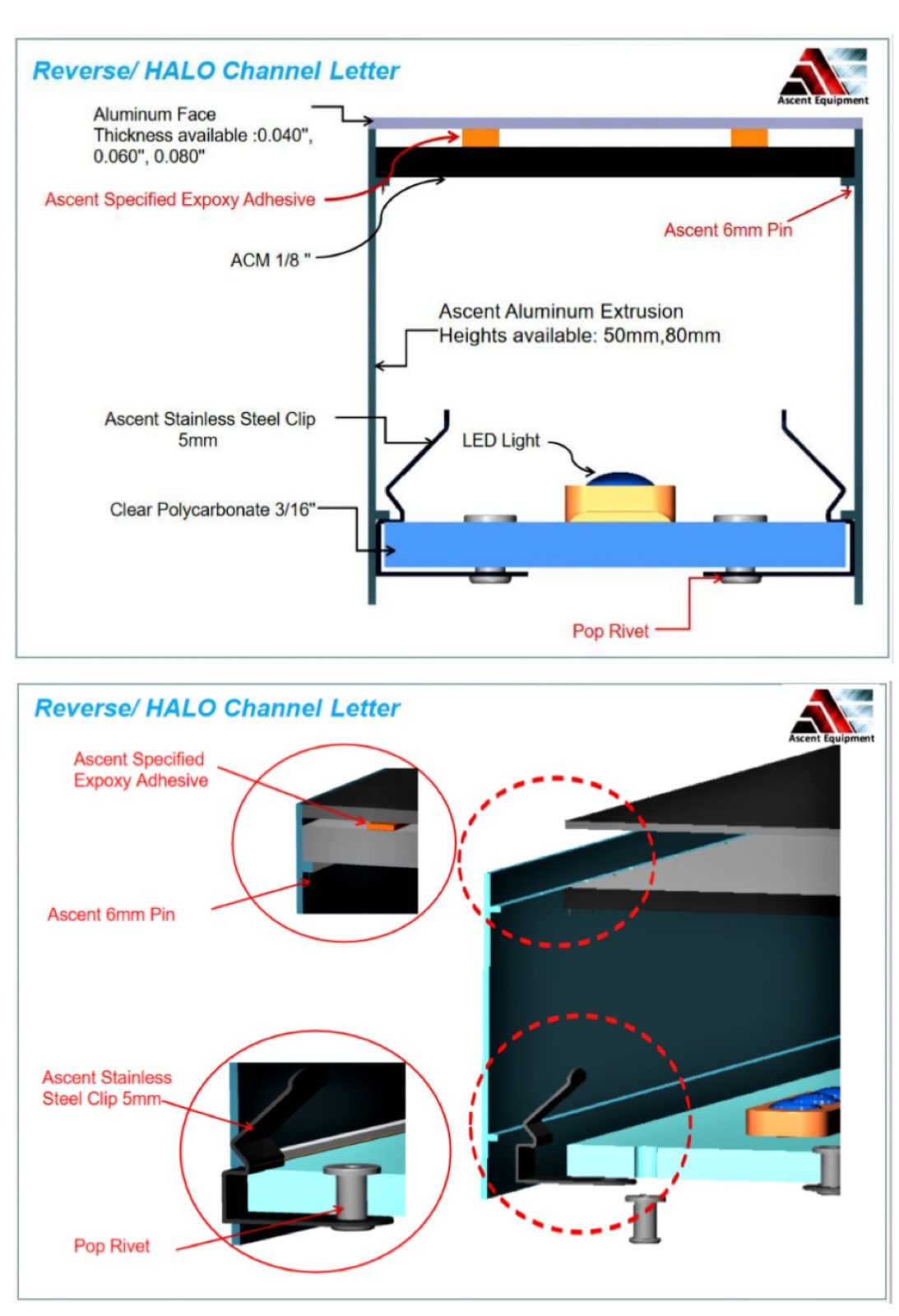
A practical guide to fabricating reverse halo channel letters — components, bending, LED placement, and how to skip welding entirely.
Read article →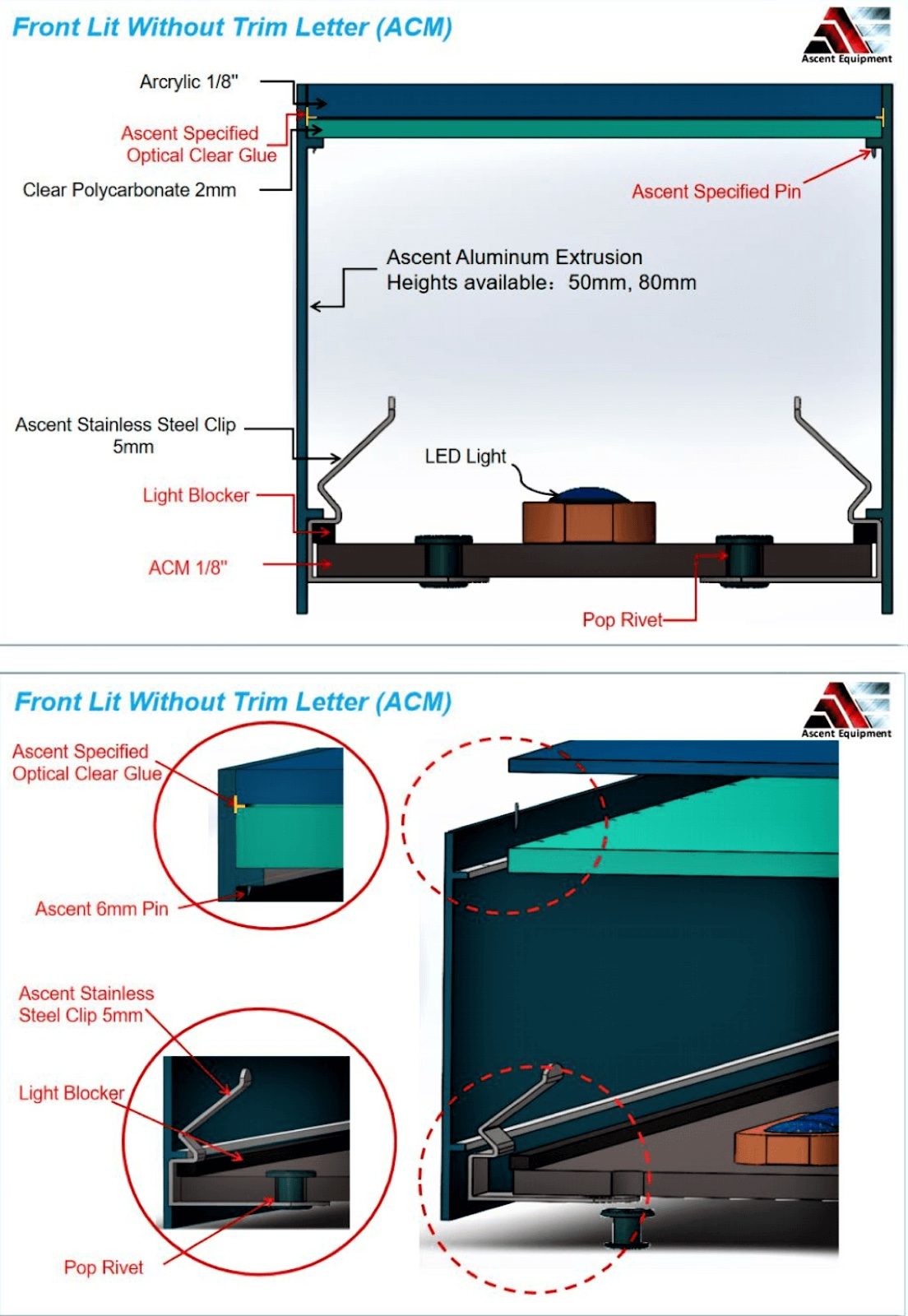
A step-by-step guide to fabricating trimless channel letters using Ascent aluminum extrusion profiles — faster, cleaner, and no trim cap required.
Read article →
Practical ways sign shops reduce labor costs without cutting staff — from eliminating manual steps to choosing equipment that runs with less supervision.
Read article →
A practical guide to starting a channel letter fabrication business — equipment, space, skills, pricing, and how to land your first customers.
Read article →
A direct comparison of laser welding and TIG welding for channel letter production — speed, weld quality, and skill requirements.
Read article →
What sets Ascent Equipment apart from other bending machine suppliers — capabilities, pricing transparency, and support others don't offer.
Read article →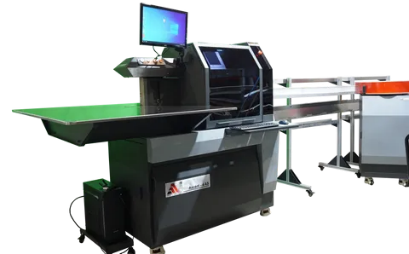
Channel letter production is limited by design complexity and machine capabilities. Dave Rom breaks down the three letter types and common limitations.
Read article →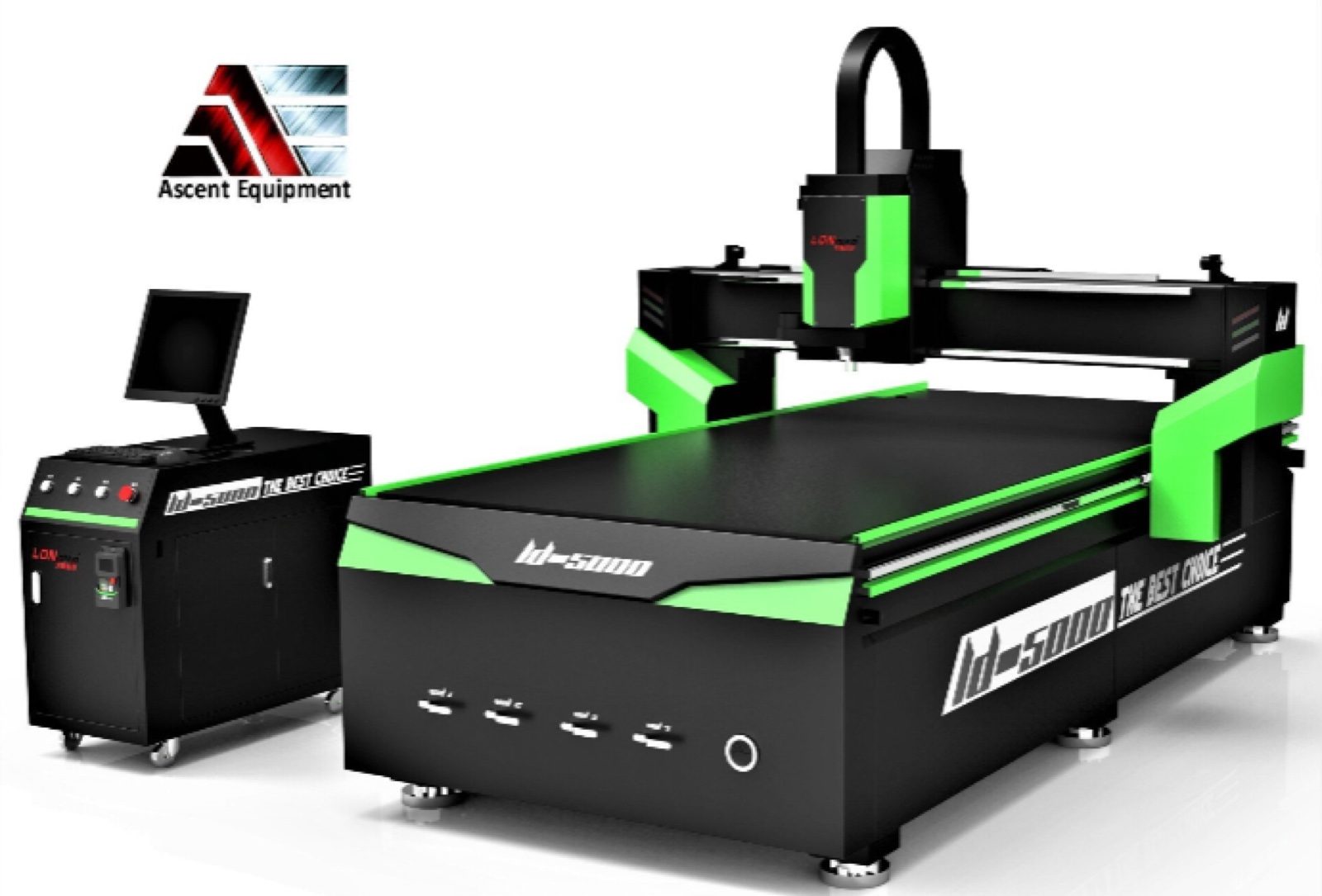
CNC router or CNC laser cutter — which is right for your sign shop? Dave Rom breaks down material compatibility, strengths, and limitations.
Read article →
How handheld fiber laser welders deliver up to 4x faster travel speeds, deeper penetration, and minimal distortion — even for new operators.
Read article →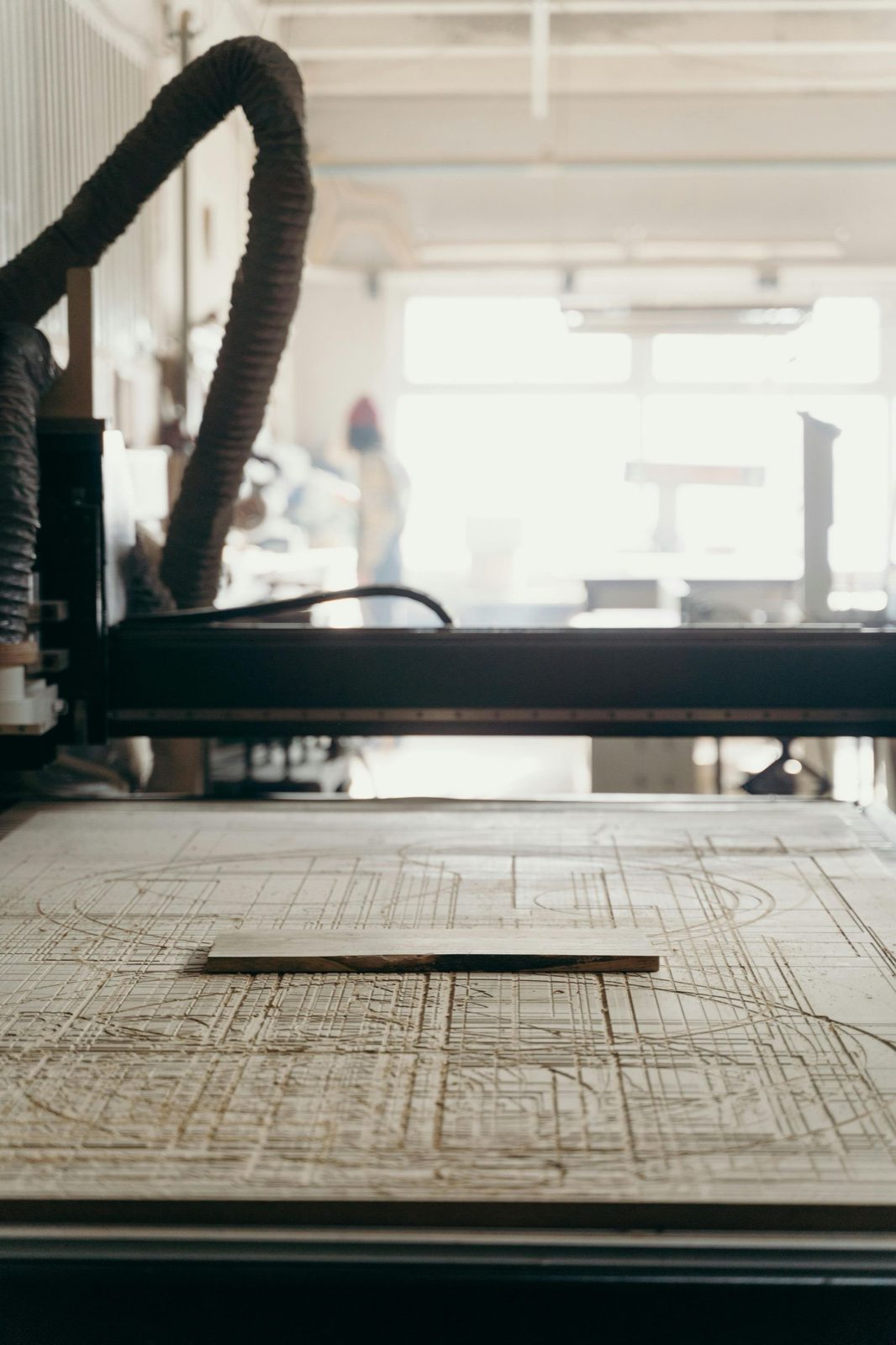
How laser equipment is reshaping sign-making — fiber welders, QCW lasers, CO₂ and fiber cutters, and today's production techniques.
Read article →
How a CO₂ acrylic laser cutter transforms channel letter production — speed, edge quality, and the workflow Ascent customers use to scale output.
Read article →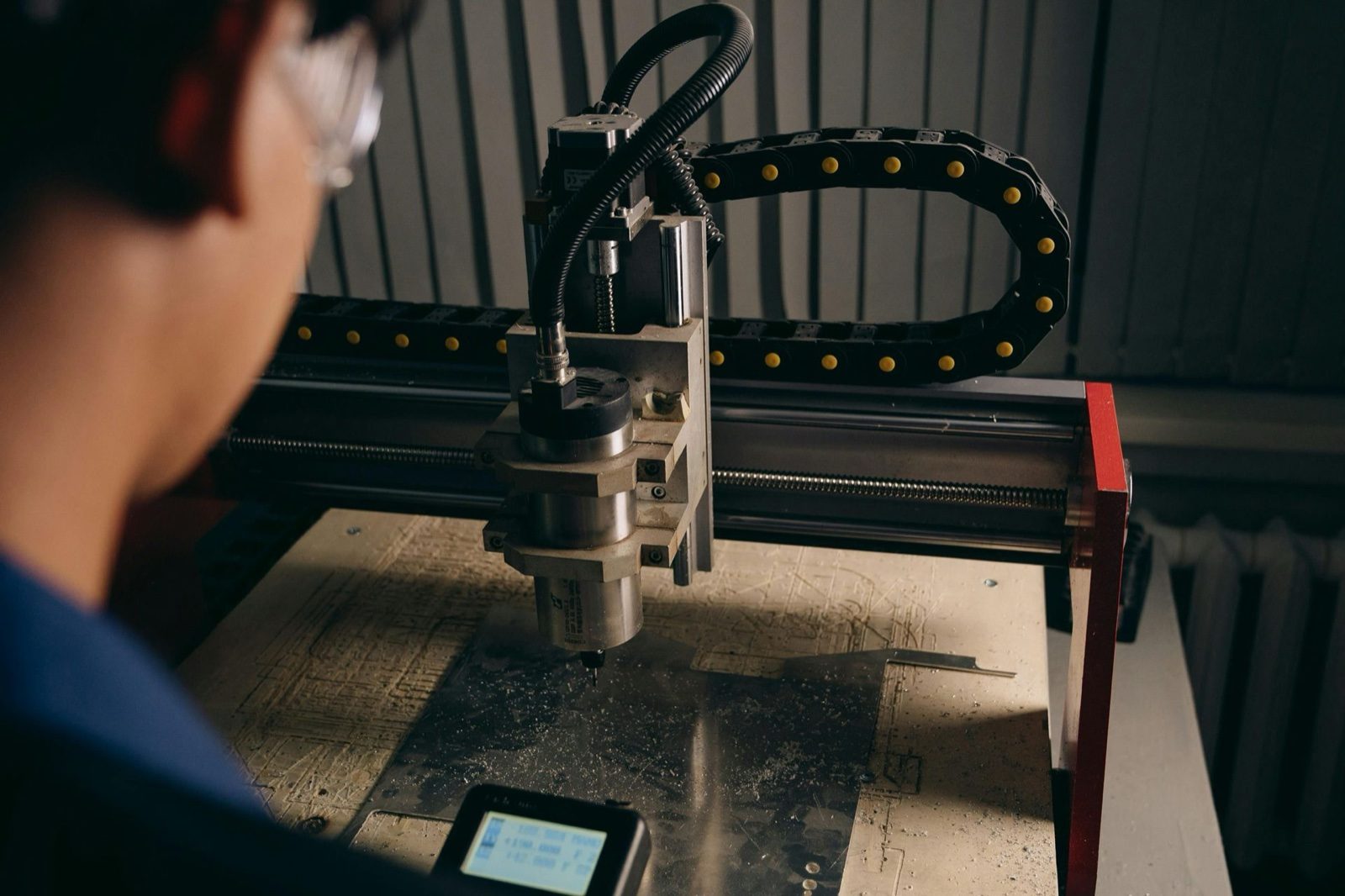
How CNC routers increase output and lower labor cost in sign shops — repeatability, multi-tasking, and the ROI of upgrading from manual cutting.
Read article →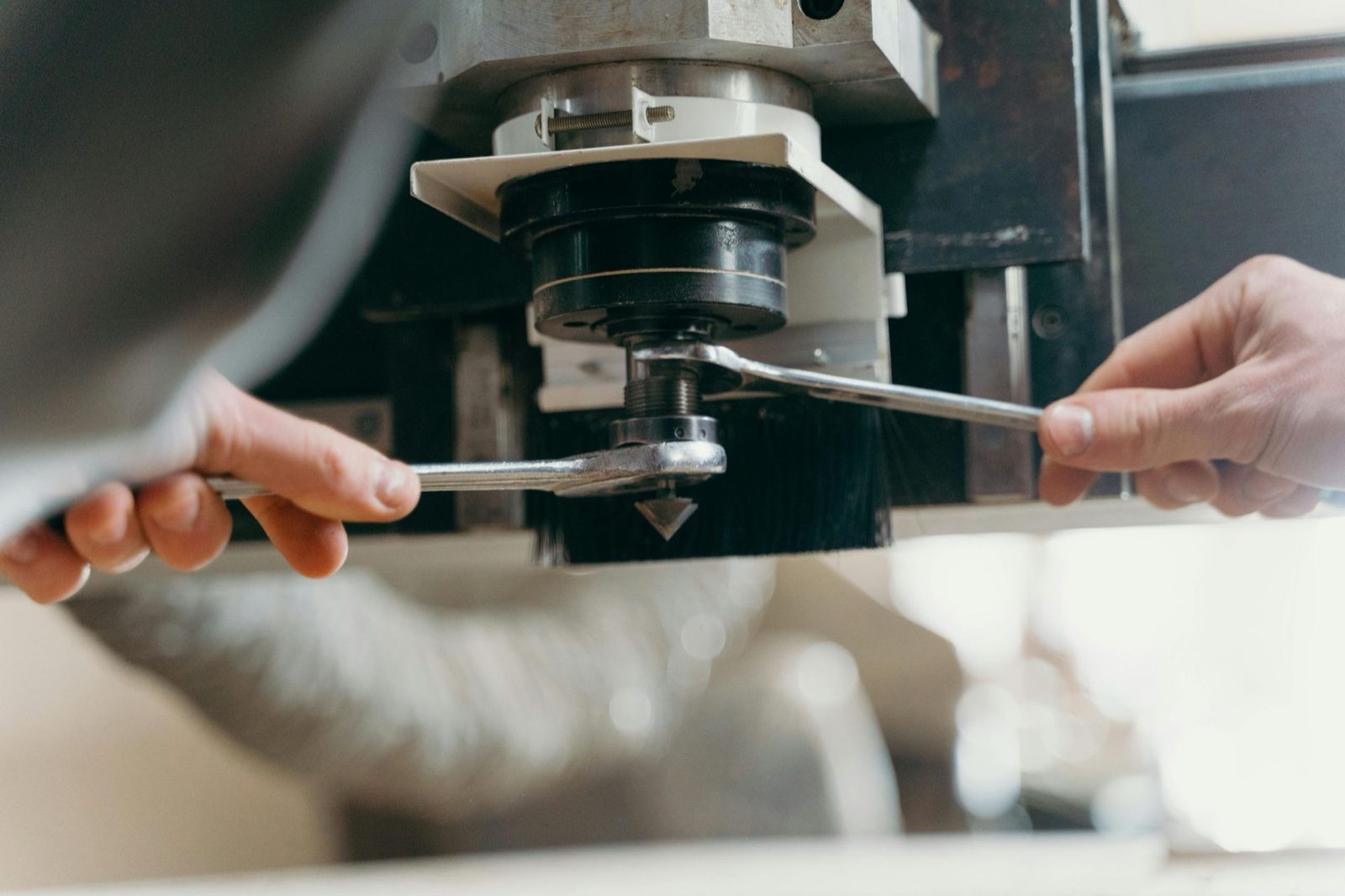
The complete CNC router maintenance guide — daily, weekly, and monthly tasks that prevent downtime and protect your investment.
Read article →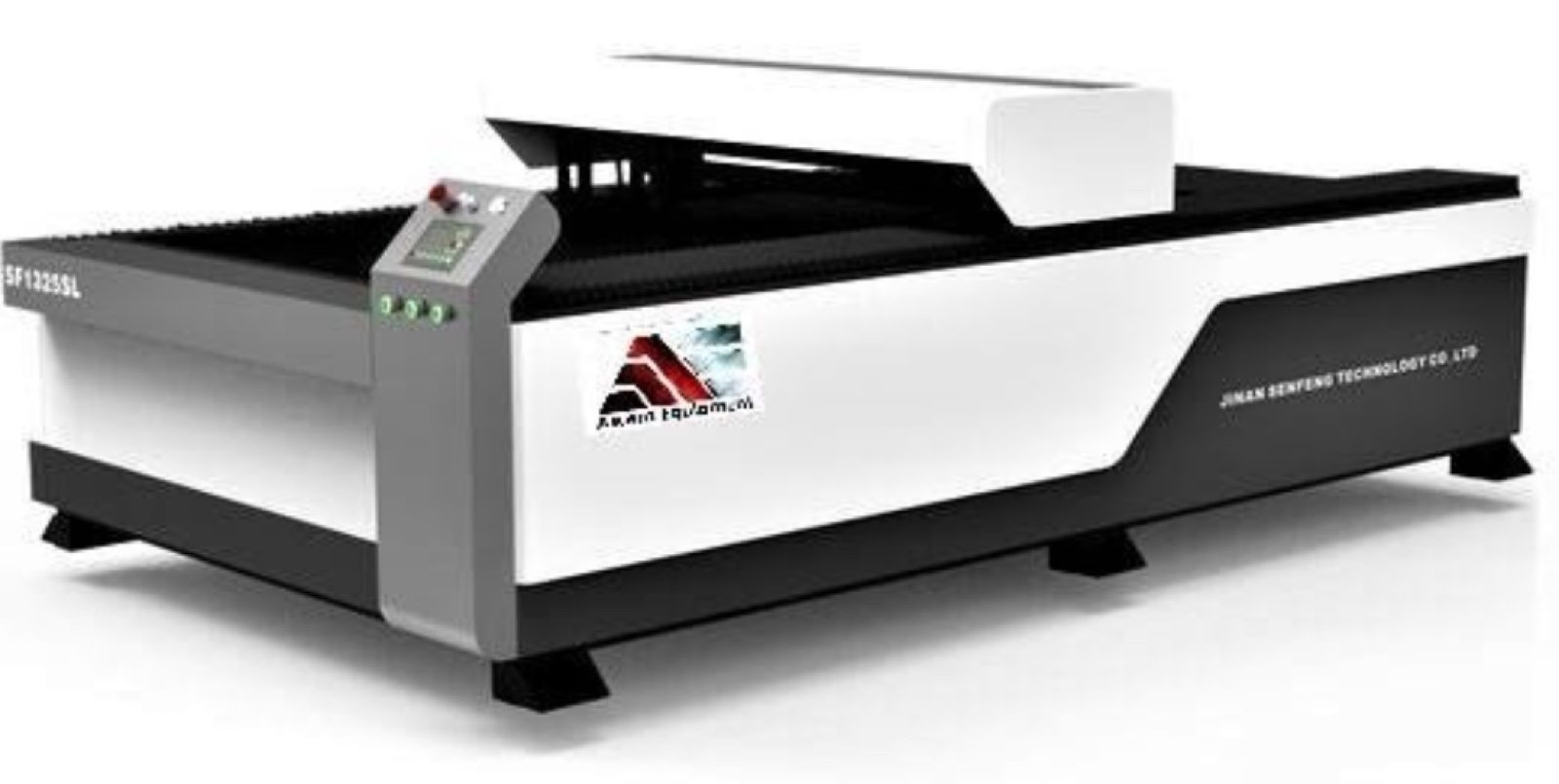
Maintenance routines that extend the life of your CNC laser cutter — daily checks, optical care, lens cleaning, and warning signs to never ignore.
Read article →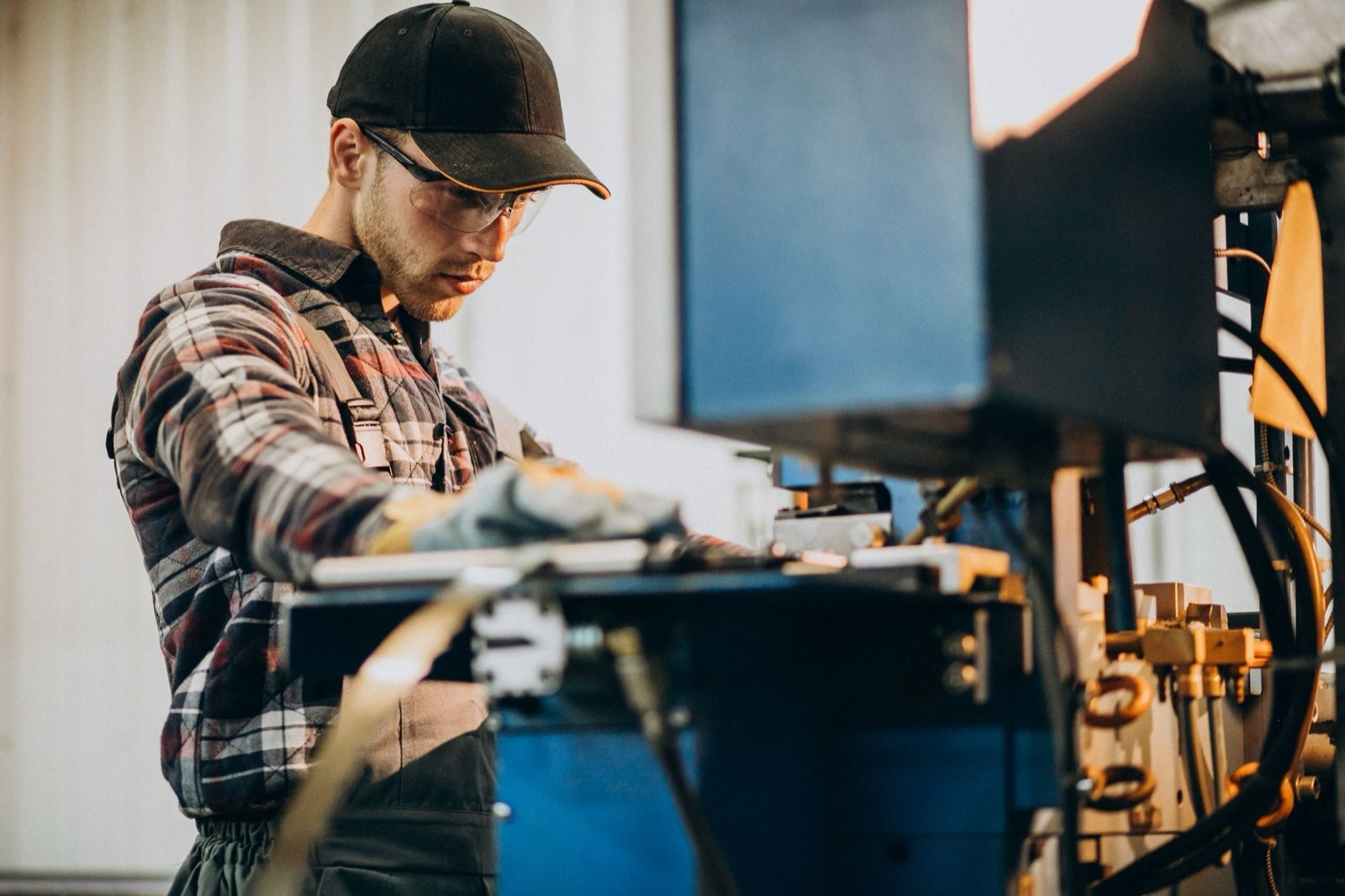
Choosing the right CO₂ acrylic laser cutter — bed size, wattage, software, table type, and price vs. throughput trade-offs for sign shops.
Read article →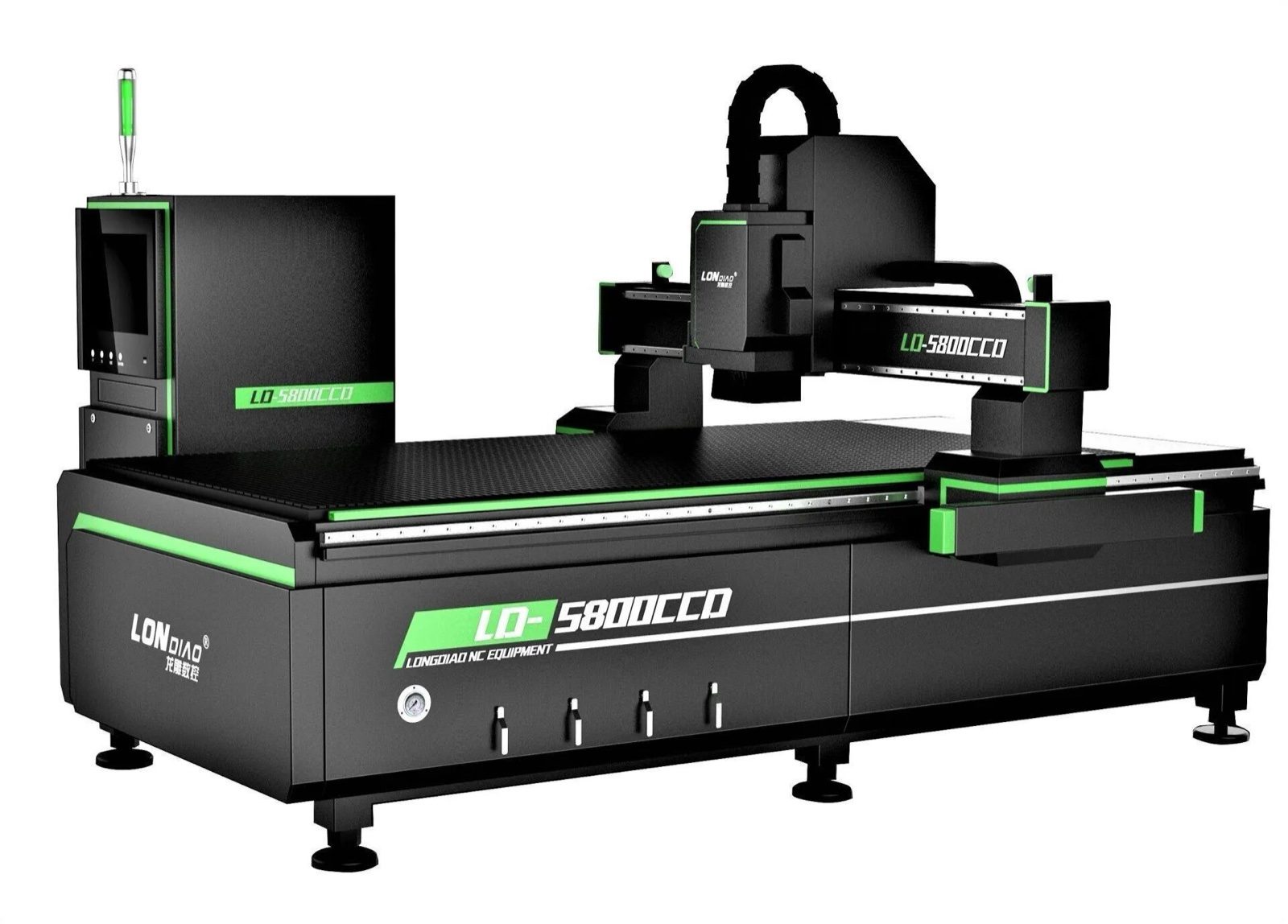
Specs that matter when picking a CNC router table — drive system, vacuum bed, tool changer, and the training factor buyers underestimate.
Read article →
The Ascent profiles system enables trimless channel letters and reverse halo without welding — versatility, cost, durability, UL/RU Recognized Component.
Read article →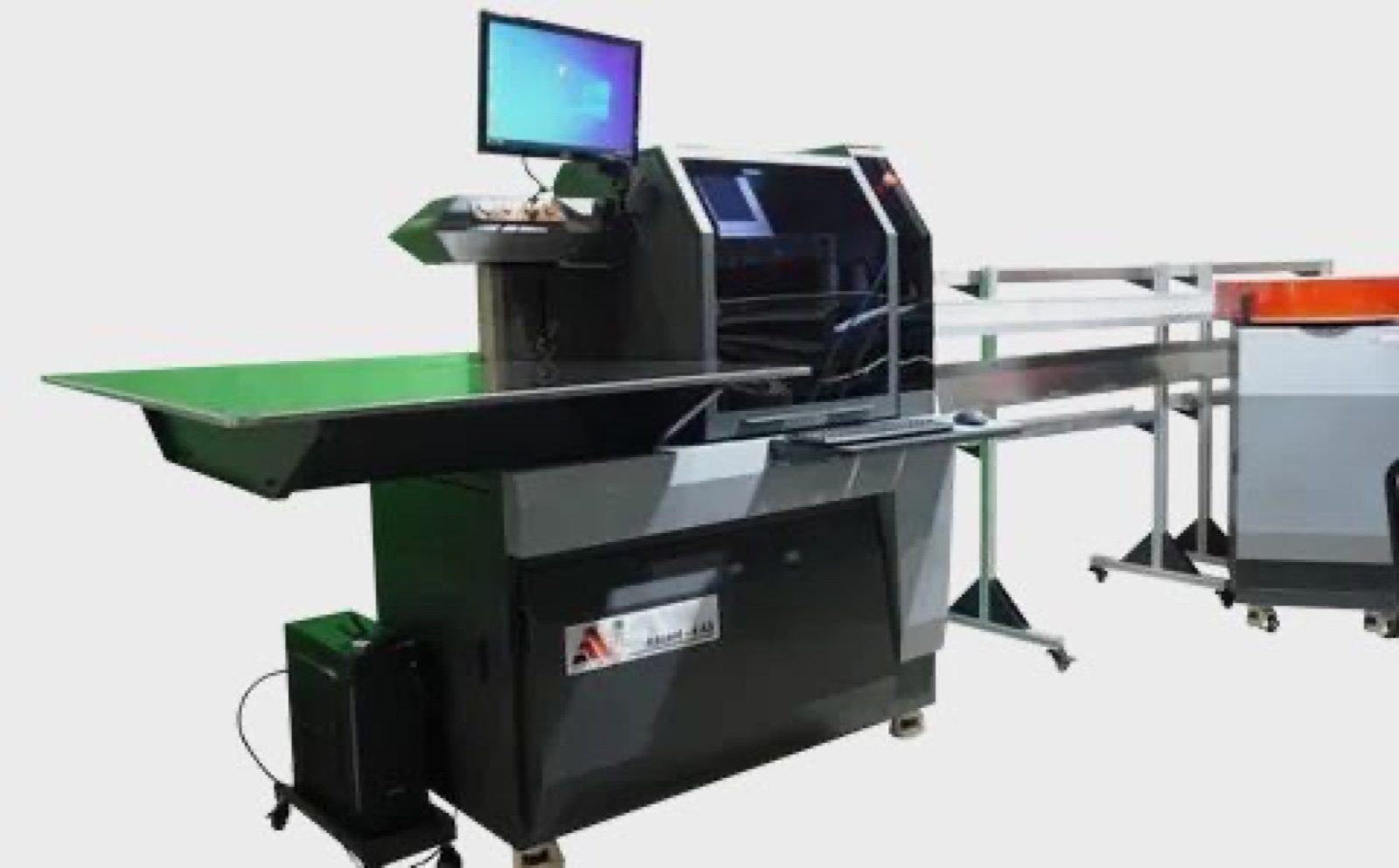
The questions worth answering before choosing a bending machine: letter types, materials, volume, and support, before you get to the spec sheet.
Read article →
Differences between standard filament and channel letter filament — light transmission, pigment leaching, toughness, and edge stability.
Read article →