
For most sign companies, the decision isn't whether to buy new equipment — it's how to pay for it. Purchasing outright and financing both have real advantages depending on your cash position, growth plans, and tax strategy. Here's a clear breakdown of both options, a worked example, and an explanation of how IRS Section 179 can work in your favor either way.
Option 1 — Purchase Outright
Advantages:
- No monthly payments or financing costs
- Immediate ownership of the equipment
- Lower total cost over the life of the machine
- Equipment becomes a business asset immediately
- Simpler accounting with no lender requirements
Best for:
- Companies with strong cash reserves
- Established sign manufacturers with predictable, stable cash flow
- Businesses focused on minimizing long-term total cost
Option 2 — Finance the Equipment
Advantages:
- Preserves working capital for payroll, materials, and marketing
- Monthly payments can often be covered by the additional revenue the equipment generates
- Makes it easier to acquire higher-capacity equipment sooner
- Keeps cash available for growth opportunities — hiring, inventory, marketing
- Financing payments may offer tax advantages depending on your situation (see Section 179 below)
Best for:
- Growing sign companies
- Businesses expanding production capacity
- Shops that prefer predictable monthly expenses over a large upfront outlay
A Worked Example: $50,000 Ascent Machine
| Purchase Outright | Finance | |
|---|---|---|
| Equipment Price | $50,000 | $50,000 |
| Down Payment | $50,000 | $5,000 (10%) |
| Amount Financed | — | $45,000 |
| Term | — | 60 months |
| Estimated Rate | — | 7.5% APR (example only) |
| Monthly Payment | $0 | ~$900/month |
| Initial Cash Required | $50,000 | $5,000 |
| Cash Remaining for Operations | Lower | Maintained |
| Ability to Invest in Marketing & Inventory | Reduced | Maintained |
Financing example is for illustration only. Actual rates, terms, and down payment requirements depend on the lender and the borrower's qualifications.
Does $900/month make sense?
If the machine helps your shop generate just one additional $1,200 job per month — or saves 40 hours of labor at $30/hour — the equipment produces enough additional value to cover the monthly payment while increasing your production capacity. The machine starts paying for itself from the first month it runs.
Why Many Sign Shops Finance — Even When They Could Pay Cash
Successful sign manufacturers often finance equipment even when they have the cash available, because financing lets them simultaneously:
- Buy materials in larger quantities at better pricing
- Hire additional employees to support growth
- Invest in marketing and sales to fill the new capacity
- Take on larger projects that require working capital up front
- Maintain healthy cash reserves during slower seasons
The equipment generates revenue immediately. The payments are spread over years. That gap — between immediate production gains and deferred cost — is where the financial case for financing lives.
IRS Section 179 — The Tax Benefit That Changes the Calculation
Section 179 is an IRS provision that allows many businesses to deduct all or part of the purchase price of qualifying equipment in the year it is placed into service, rather than depreciating it over several years.
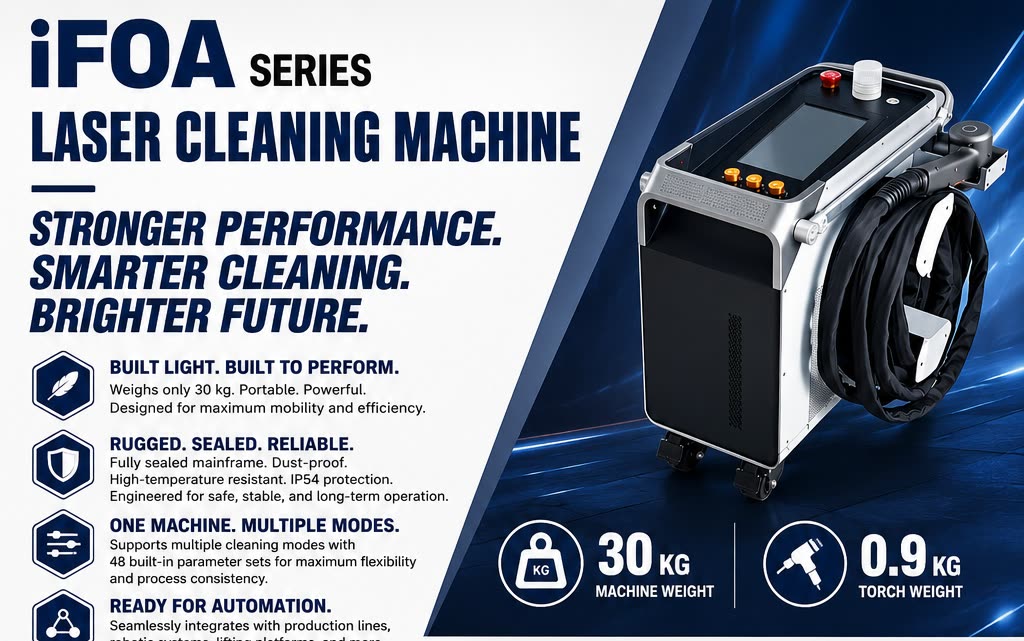
Qualifying manufacturing equipment — including CNC channel letter benders, laser welders, laser cutters, and CNC routers — often qualifies when used primarily for business.
The Common Misconception: You Don't Have to Pay Cash
Many shop owners assume Section 179 only applies to cash purchases. That's not the case. In many situations, equipment financed through a qualifying loan or finance agreement is still eligible for the Section 179 deduction, provided:
- The equipment is purchased, not simply rented under a non-qualifying lease
- It is placed into service during the tax year
- It is used more than 50% for business purposes
- The business otherwise qualifies under current IRS rules and limits
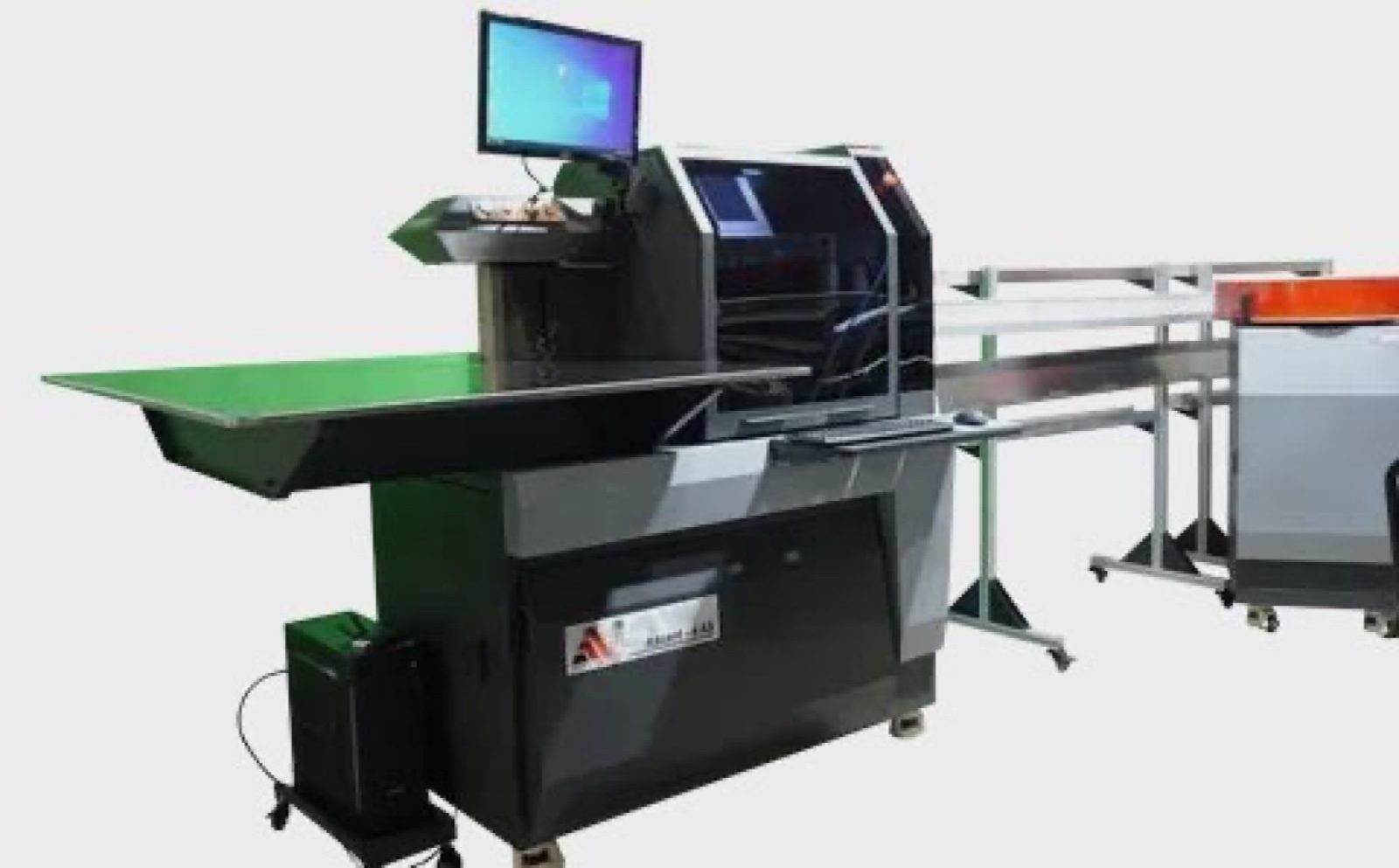
Example: Ascent 5AS Channel Letter Bender at $45,000
Cash Purchase: Pay $45,000 upfront. If the equipment qualifies, you may be able to deduct the full qualifying amount under Section 179 in the year of purchase.
Financed Purchase: Finance the $45,000 with $5,000 down. If the financing qualifies and the machine is placed into service during the tax year, you may still be able to claim the Section 179 deduction — while paying for the machine over time.
With only $5,000 down, your shop can put a $45,000 machine to work immediately, preserve cash for operations, spread the remaining cost over five years, and potentially deduct the qualifying amount in the current tax year.
Which Option Makes More Sense for Your Shop?
Purchase outright if you:
- Have excess cash that isn't needed elsewhere
- Want the lowest overall total cost
- Don't anticipate needing that capital for growth, hiring, or inventory
Finance if you:
- Want to keep cash available for operations and growth
- Are expanding rapidly and need capital flexibility
- Expect the equipment to generate immediate additional revenue
- Prefer predictable fixed monthly payments over a large capital outlay
Ascent Equipment's Role
Ascent Equipment can help customers explore financing options so you can:
- Increase production without a large upfront cash investment
- Preserve working capital for daily operations
- Match monthly payments to increased production capacity
- Upgrade technology sooner rather than waiting to accumulate cash
- Grow your business while maintaining financial flexibility
The goal isn't simply to own new equipment. It's to invest in machinery that increases productivity, lowers labor costs, improves quality, and generates a return that exceeds its monthly cost. Financing is often how that math works best.
Ascent Equipment has worked with a few excellent finance companies over the years. Please let us know if you would like us to connect you with them.
Contact us to discuss equipment options and financing, or explore our full lineup at ascentequipment.com.
Disclaimer: Tax laws are subject to change. Eligibility for IRS Section 179 depends on individual business circumstances, current IRS limits, and the specific financing arrangement. Please consult your CPA or tax advisor before making any equipment purchasing or financing decision based on tax considerations. The financing example above is for illustration only — actual rates, terms, and payments will vary.