
Aluminum Trim Produced with the Ascent TMB-3 vs. F-Trim Processed with the Ascent 5AS
Here’s a quick rundown on how these two compare:
Starting Material:
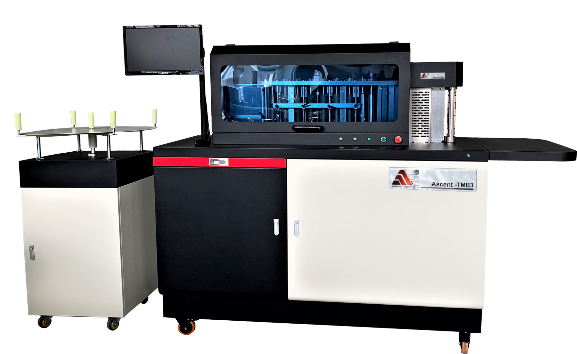
The TMB-3 starts with a flat aluminum coil. Pretty basic, nothing fancy, and it comes with a PVC backing. The 5AS F-Trim uses a special, preformed aluminum profile that looks more refined but costs a bit more upfront.
Face Material:
TMB-3 plays nice with the usual acrylic or polycarbonate letter faces. The 5AS needs you to use 1/8-inch polycarbonate, so there’s less wiggle room there.
Machine Process:
With the TMB-3, you form that flat coil into the trim shape you need. For F-Trim, you notch and bend the ready-made profile so it hugs the letter just right.
Face Attachment:
Here’s where things get interesting. The PVC backing on the TMB-3 lets you attach it with standard trim-cap glue — fast and familiar. F-Trim is more hands-on; you actually nail it into the polycarbonate face with tiny nails. It’s fiddlier, but you get a super clean look.
Construction:
TMB-3 is built around the old-school trim-cap letter approach. You build the letter with returns and face, wrap the trim around, and glue it on. With F-Trim, the trim kind of holds the whole face together and becomes part of the letter’s actual structure.
Material Cost:
If price matters, TMB-3 is the budget option. F-Trim, since it’s pre-made and more exacting, costs more.
Appearance:
TMB-3 looks a lot like a typical trim cap, just in aluminum instead of plastic. F-Trim gives you this slim, sharp, architectural edge — if you want something that feels modern and high-end.
When to Use:
Use the TMB-3 when you need a metal trim cap that won’t break the bank but still looks clean. It’s solid, reliable, and keeps costs down. F-Trim is ideal when you want your sign letters to stand out as premium, detailed, and a step above the usual.
A Closer Look at Each One:
TMB-3 Aluminum Trim:
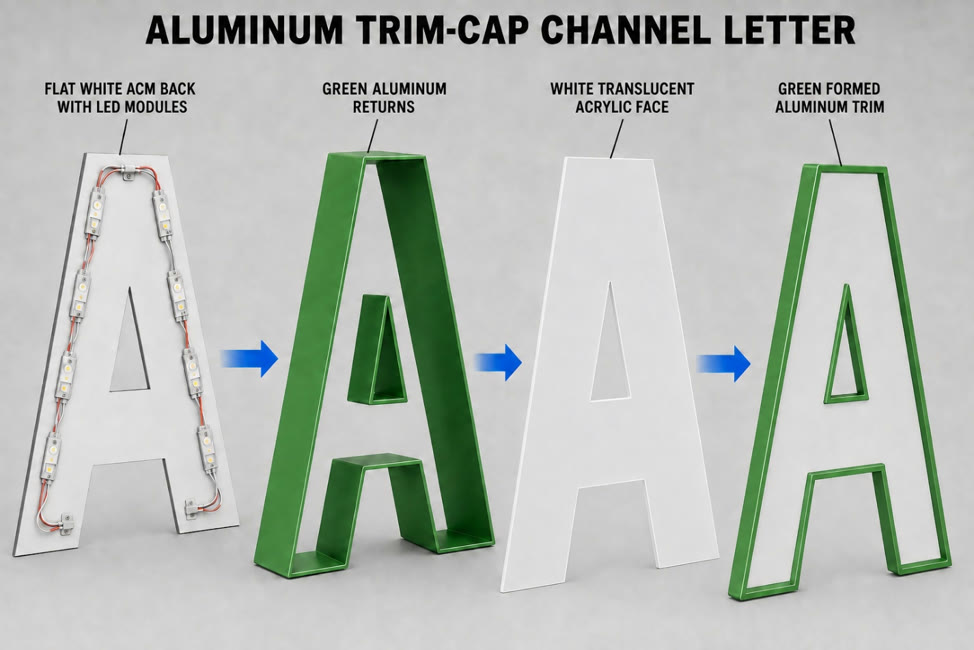
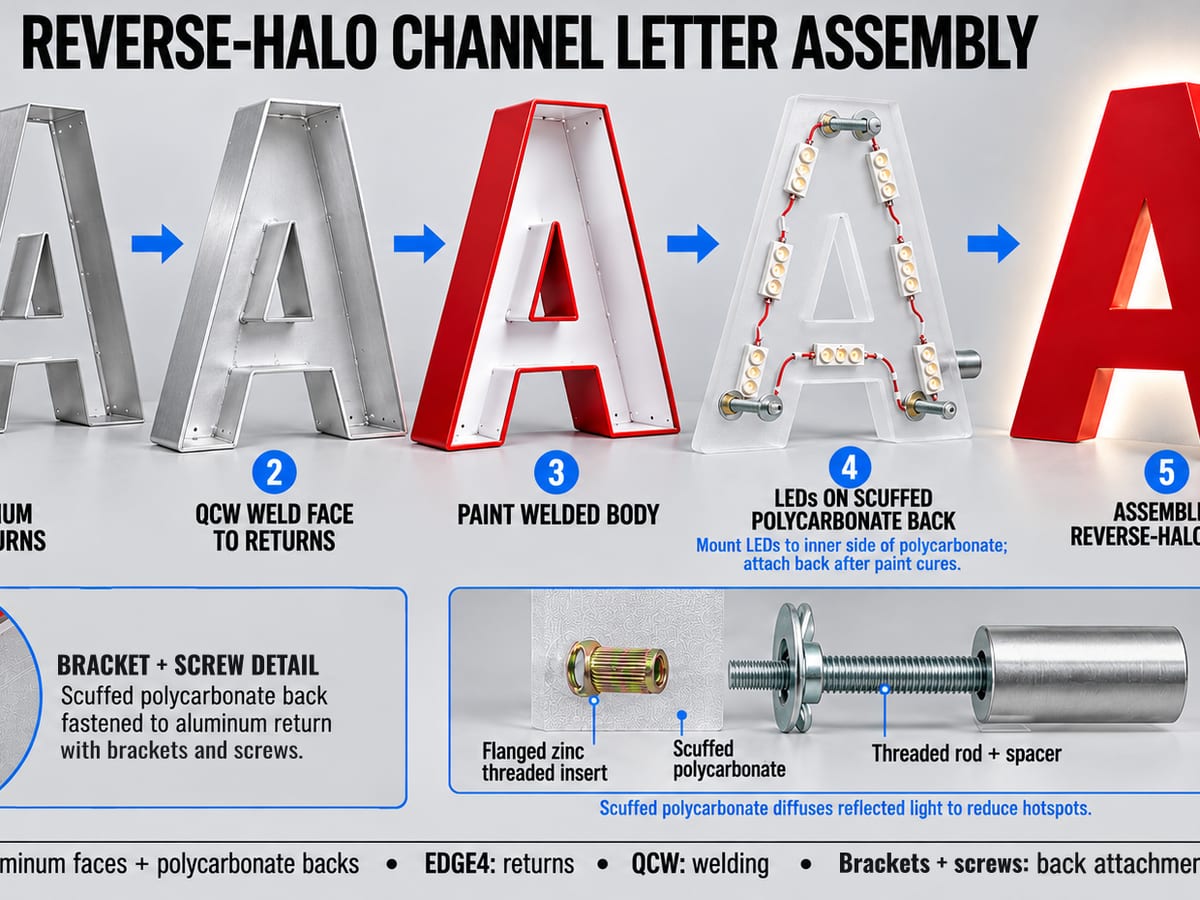
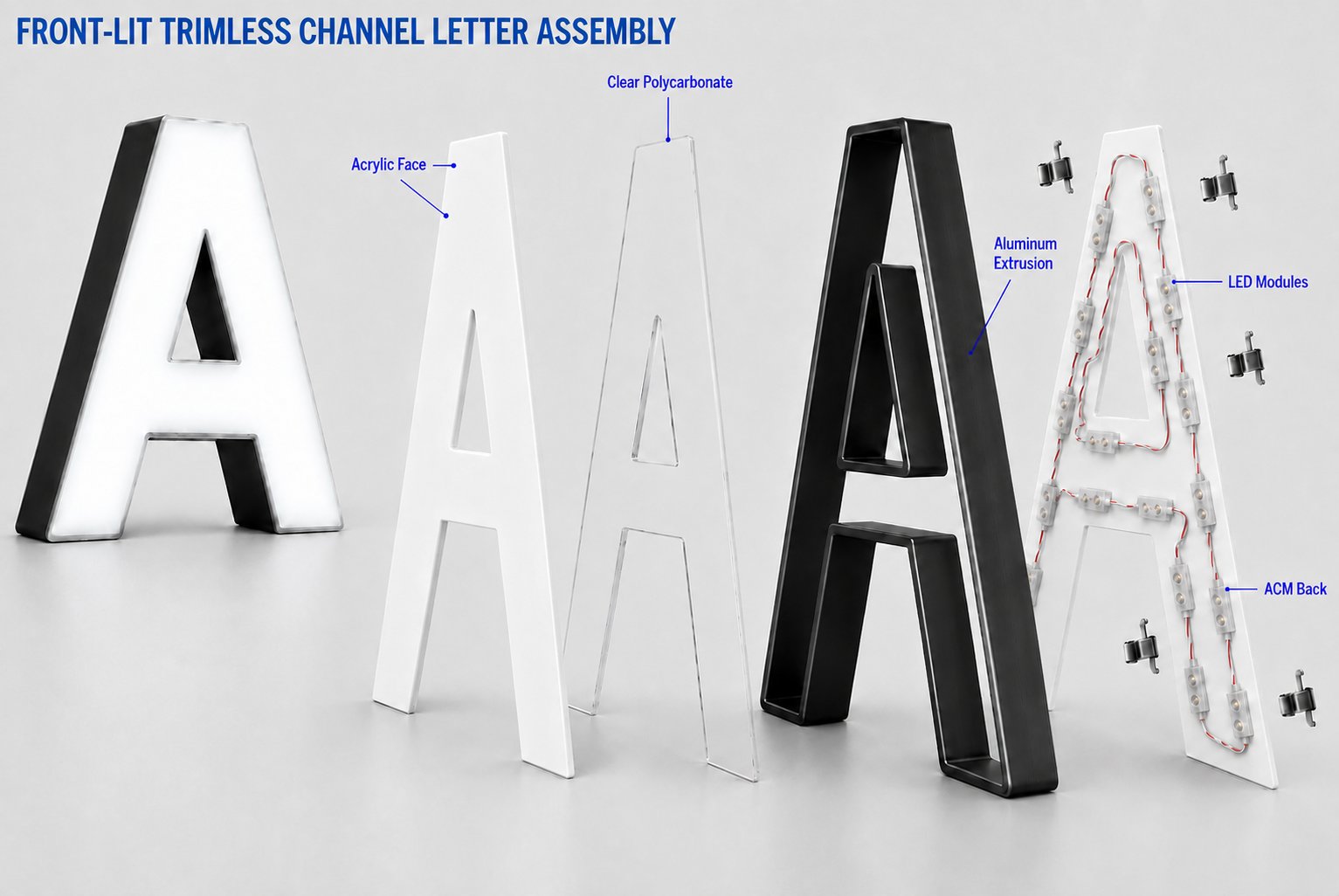
Imagine assembling a channel letter: flat white ACM back, LED modules, green aluminum returns on the sides, a translucent white acrylic face, and then — the green aluminum trim, all made from TMB-3. The aluminum coil is formed and trimmed, and, thanks to that PVC, you simply glue it on. When it’s all together, it has the serviceability and feel of a traditional plastic trim-cap letter, but with the durability and look of painted aluminum.
5AS F-Trim:
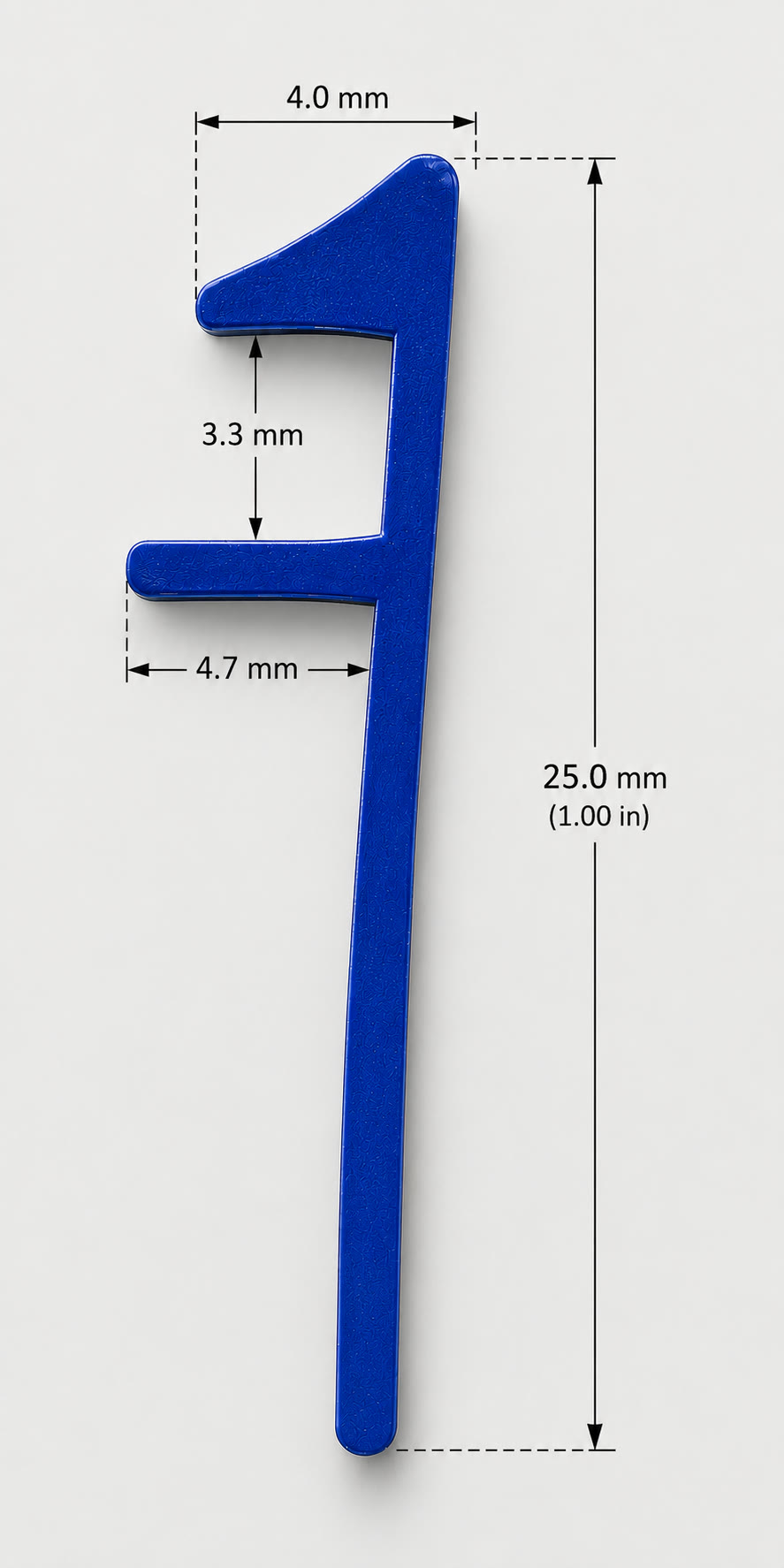
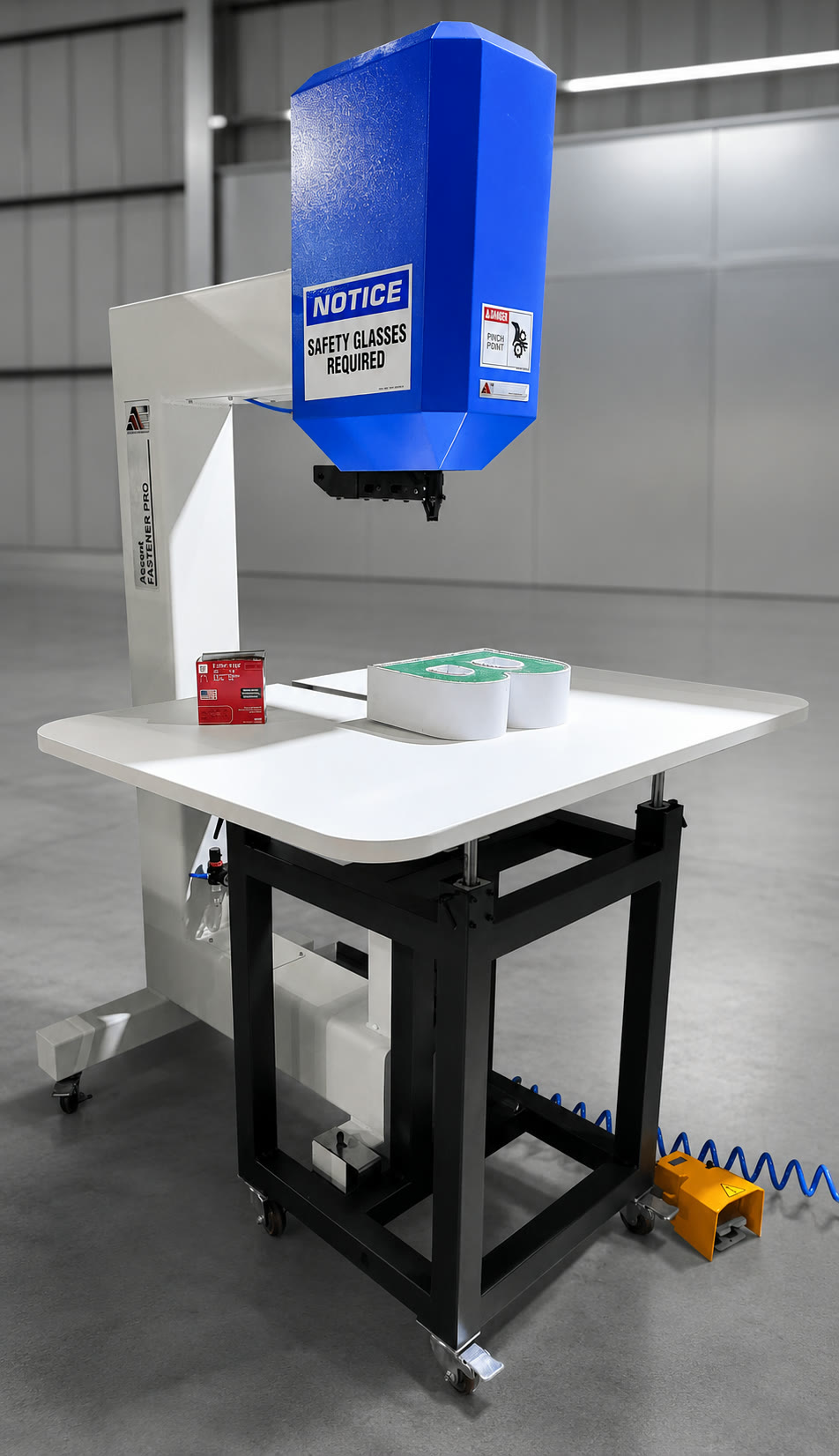
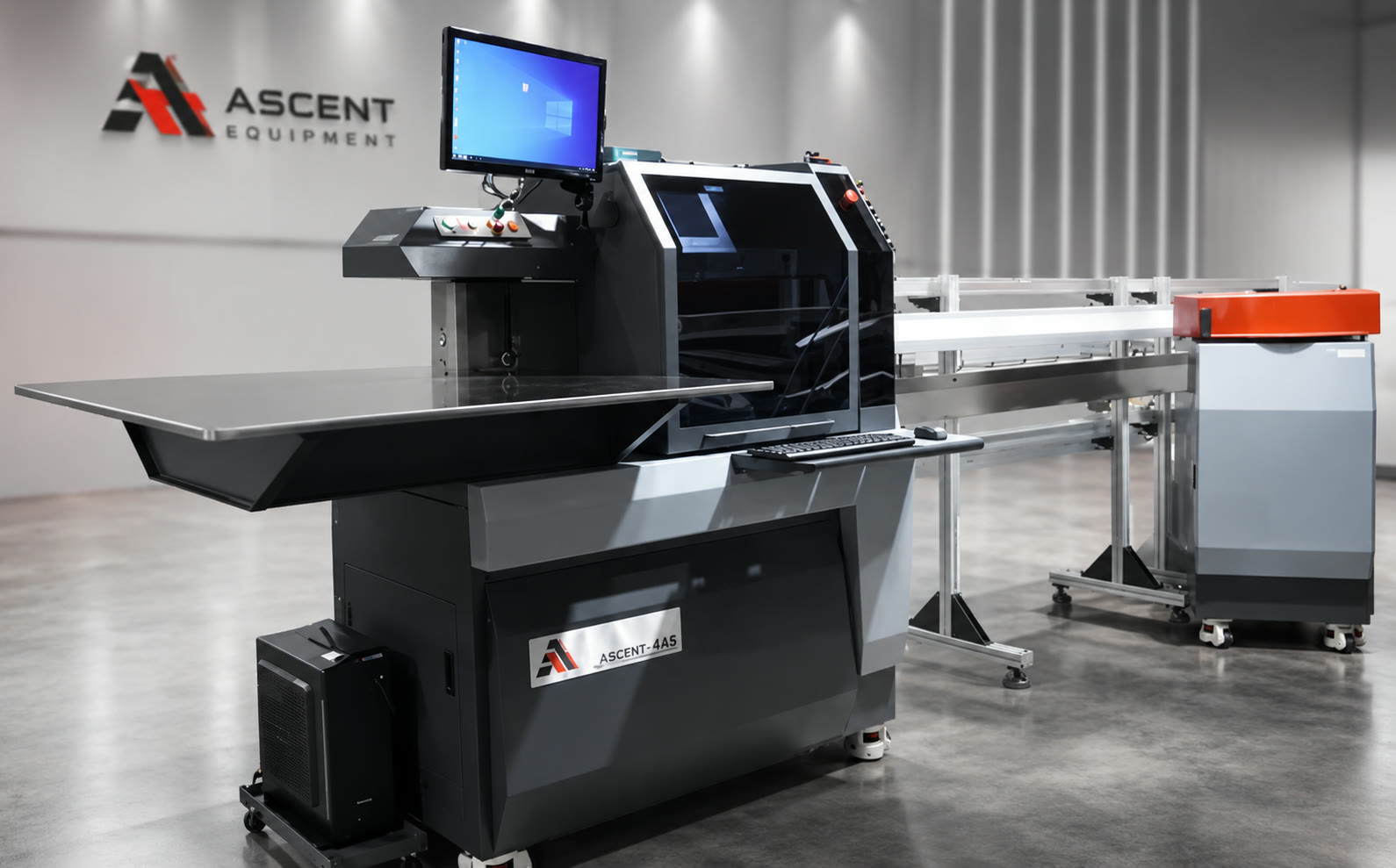
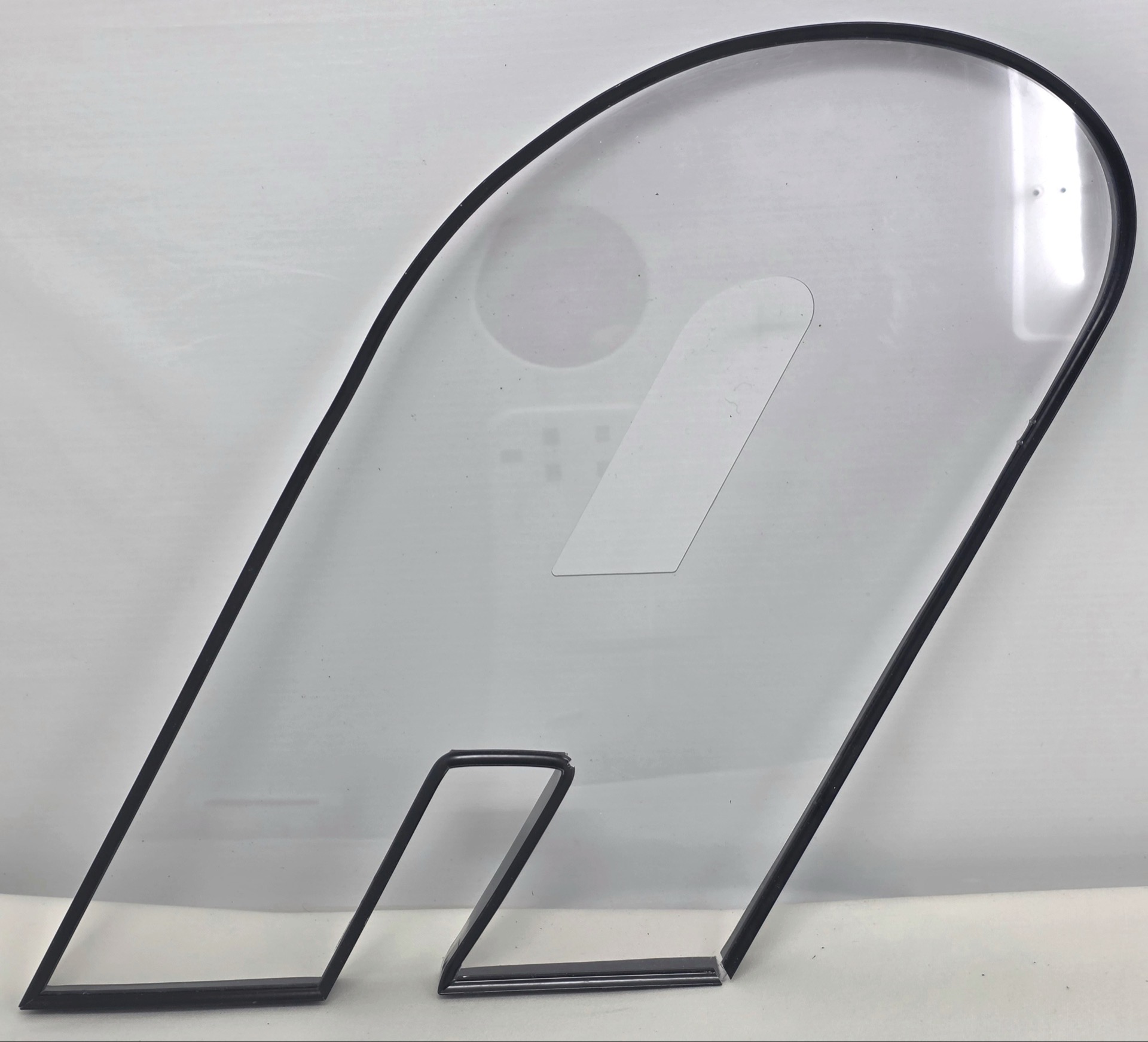
This one starts life as a specially shaped aluminum extrusion. It’s pricey, but you’re paying for precision and finish. The Ascent 5AS machine notches and bends the profile to match whatever letter shape you need. Then, you attach it to the polycarbonate face with little nails — no glue here. The final look is a slim, professional metal border that makes the letter face pop, especially when lit.
So, what’s the main takeaway?
Both TMB-3 and 5AS F-Trim leave you with a metal edge around your letter faces — neither is a true “trimless” option. TMB-3 is tough, affordable, and sticks with tried-and-true construction techniques. F-Trim is more specialized and expensive, but nails a clean, contemporary look.
Looking for a sign with no visible trim at all? That’s a whole different story—Ascent has solutions for totally front-lit, truly trimless channel letters. Want a full rundown of what you can do with Ascent’s equipment or not sure which system fits your project? Just reach out or check out the channel letter types on our site.
– Dov “Dave” Rom, President and Chief Engineer, Ascent Equipment
About Dov “Dave” Rom:
I’m Dov Rom (but everyone calls me Dave). As president and chief engineer at Ascent Equipment, I’ve spent the past decade building and refining CNC bending machines, letter benders, laser cutters, and welders for sign shops across North America. I’m always happy to share what I’ve learned — whether it’s about automation, choosing the right machine, or how to make sign production more profitable.