
Many sign companies like to say that every custom job is a prototype. Signs vary in size, shape, color, and construction, but that doesn't mean the production process needs reinventing with every order.
The most productive shops understand the difference. They hold onto the creativity and flexibility custom fabrication demands, while standardizing the engineering, materials, equipment, and manufacturing behind it.
That's not the same as making every sign identical. It means running a dependable system that turns out different signs quickly, accurately, and the same way every time.
Productivity begins in engineering
Production problems usually start long before material ever reaches the shop floor.
An incomplete drawing, an incorrect bend allowance, an unsuitable material choice, or a missing assembly detail can all lead to delays, rework, wasted material, and confusion between departments. And when engineering and manufacturing work as separate processes, it's the fabrication team that ends up solving problems that should have been caught earlier, during design.
A more efficient workflow begins with standardized engineering practices, including:
- Approved construction methods
- Standard letter depths and return materials
- Consistent bend, notch, flange, and seam locations
- Standard LED layouts and electrical specifications
- Approved fastening and welding methods
- Repeatable file preparation procedures
- Clear production drawings and assembly instructions
- A controlled library of commonly used profiles and details
With standards like these in place, engineers can prepare files that actually match what the equipment can do and what production really looks like.
Design for the manufacturing process
A sign shouldn't just look good on a screen. It also has to be practical to build, assemble, install, and service.
Designing for manufacturing means thinking through the whole production process at the engineering stage. For channel letters, that covers return depth, material thickness, bend radius, flange direction, seam placement, face attachment, LED access, drainage, and installation requirements.
When designers understand how the equipment processes each material, they can make better decisions before production begins, which cuts down on manual corrections and keeps production staff from having to guess at an incomplete design.
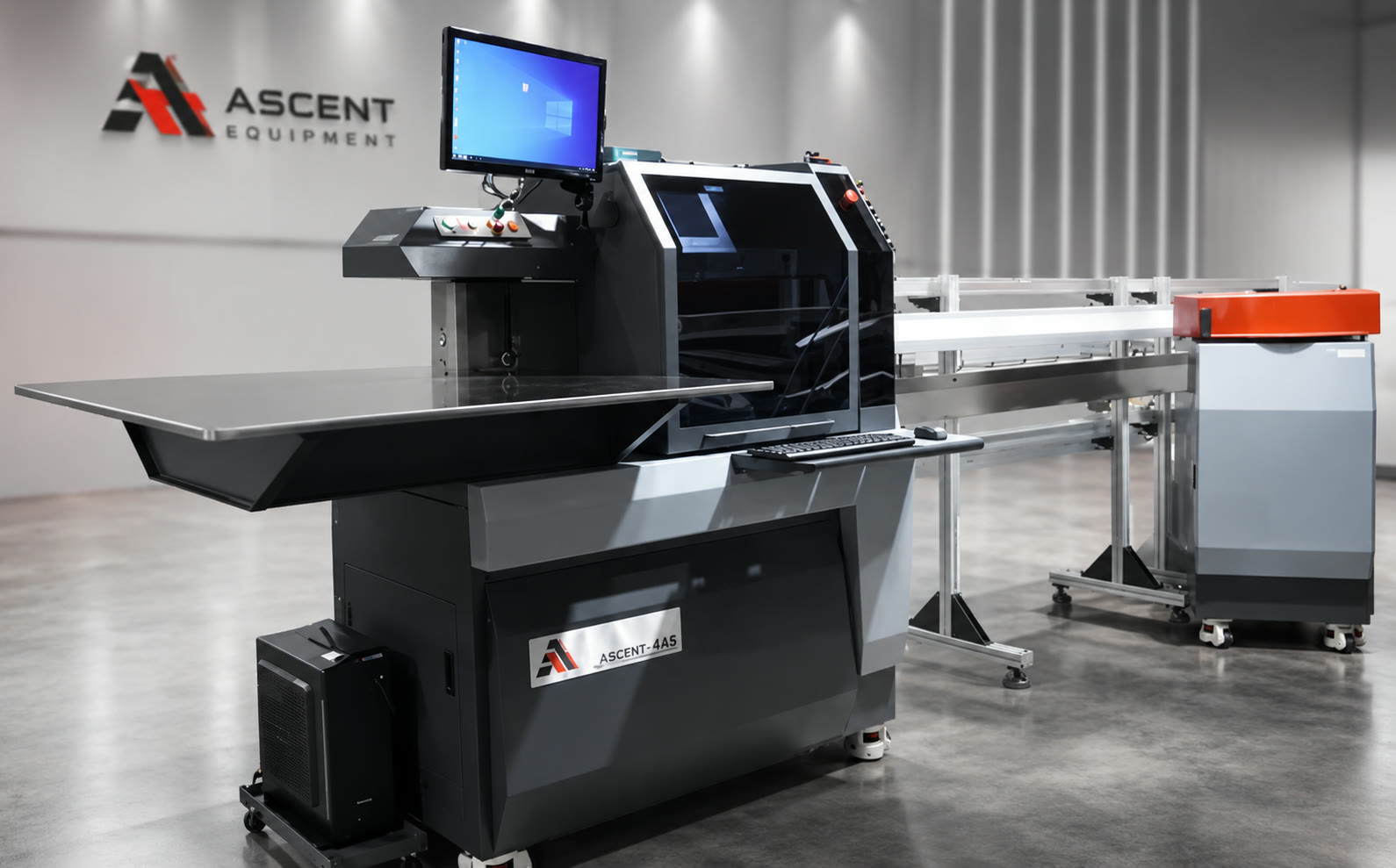
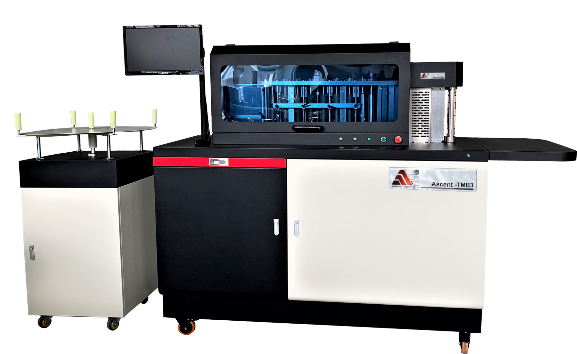
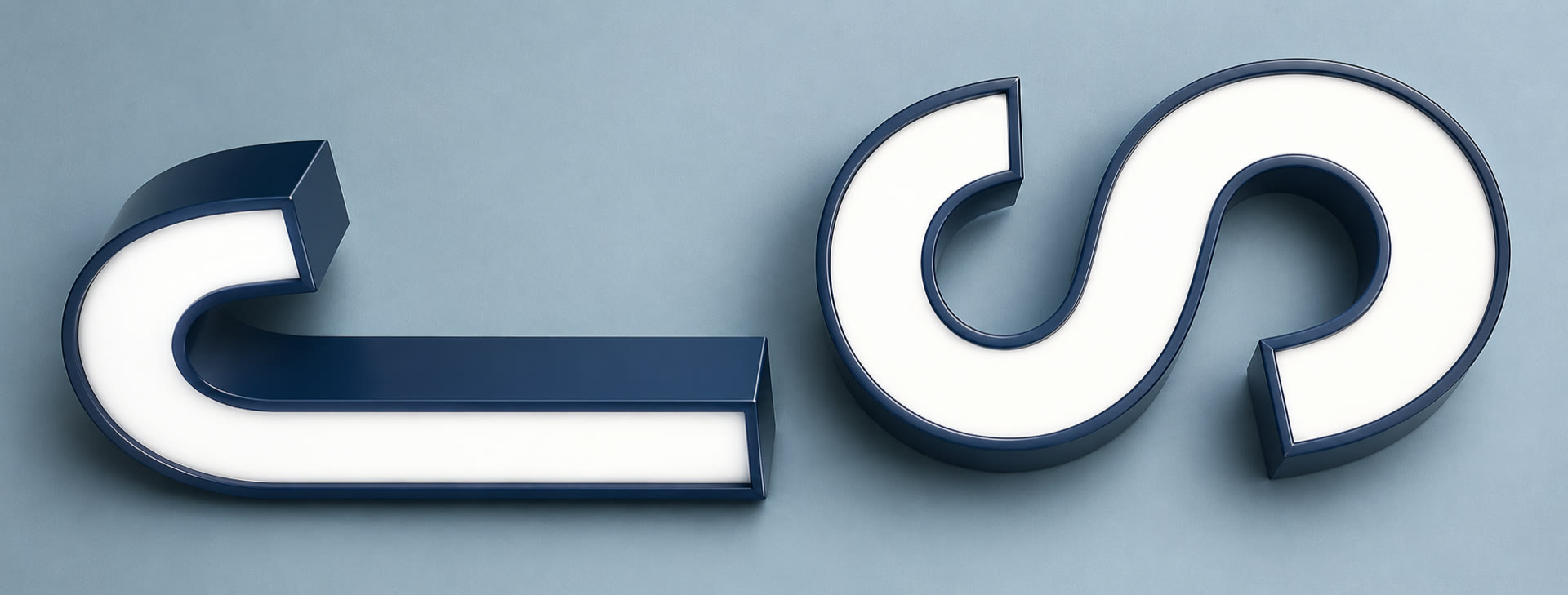
Ascent CNC channel letter bending machines are part of what connects engineering directly to manufacturing: a properly prepared file becomes an accurate set of bending instructions, and the machine notches, flanges, cuts, and bends the return material according to the design.
The result: a smoother handoff from engineering to the production floor.
Standardize materials wherever possible
Sign companies tend to accumulate far more material variations than they actually need. Different coil widths, return depths, trim systems, fasteners, LEDs, power supplies, and adhesives all add unnecessary inventory and more chances for a production error.
A practical standardization program simply picks the preferred materials for the company's most common products.
For example, a sign manufacturer may establish standard specifications for:
- Front-lit channel letters
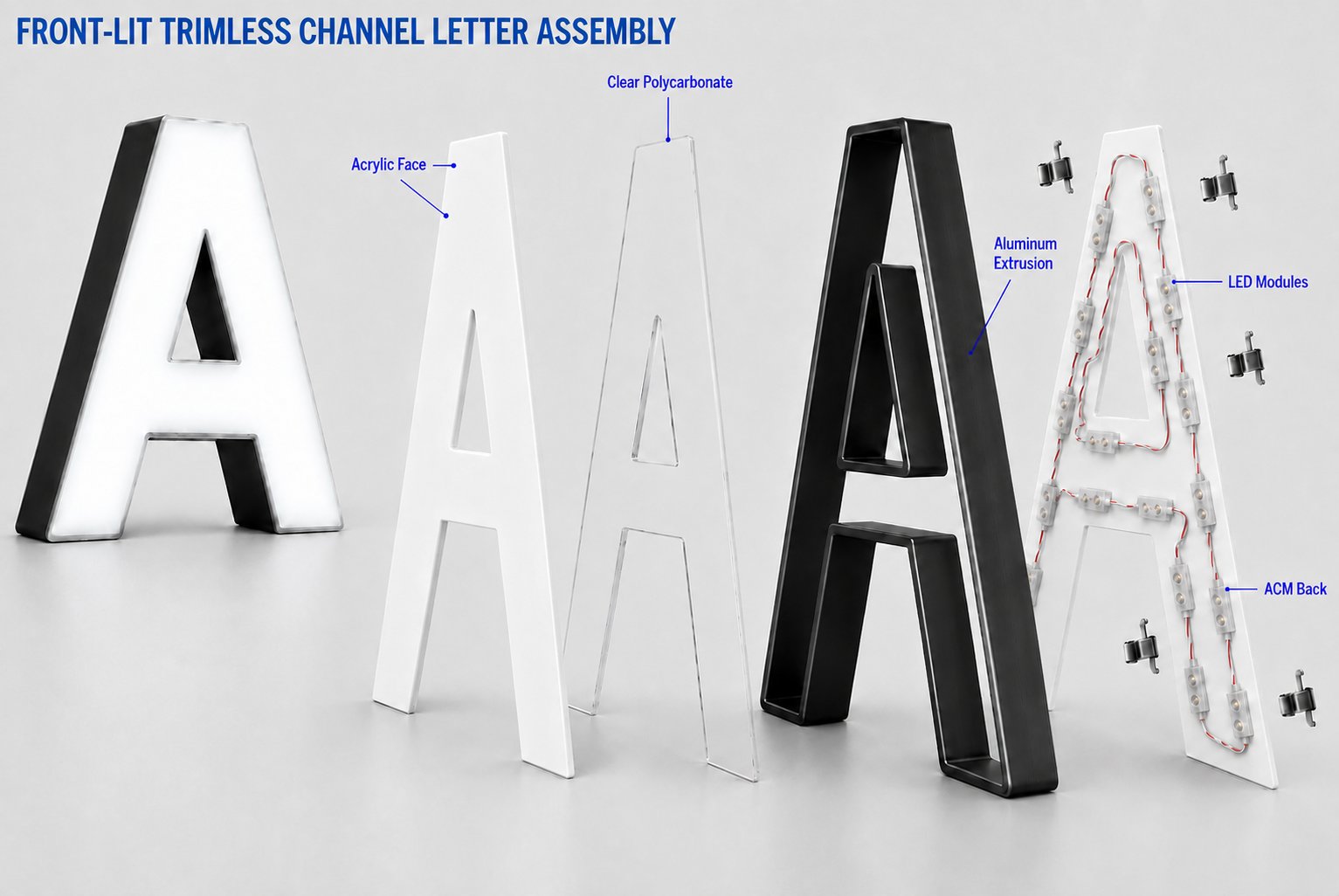
- Trimless channel letters
- Reverse- or halo-lit letters
- Front-and-back-lit letters
- Stainless steel letters
- Aluminum letters
- Large letters and sign cabinets
- Indoor architectural letters
Standard materials make purchasing, estimating, engineering, machine setup, employee training, and quality control simpler, and they make it easier to keep inventory at the right level and cut down on leftover material.
Custom sign work will always need occasional exceptions. The goal is to keep them exceptions, not let them turn into the norm.
Use the right equipment for each product
Trying to make every type of channel letter on one machine forces compromises, since different products call for different bending, notching, flanging, or material-handling capabilities.
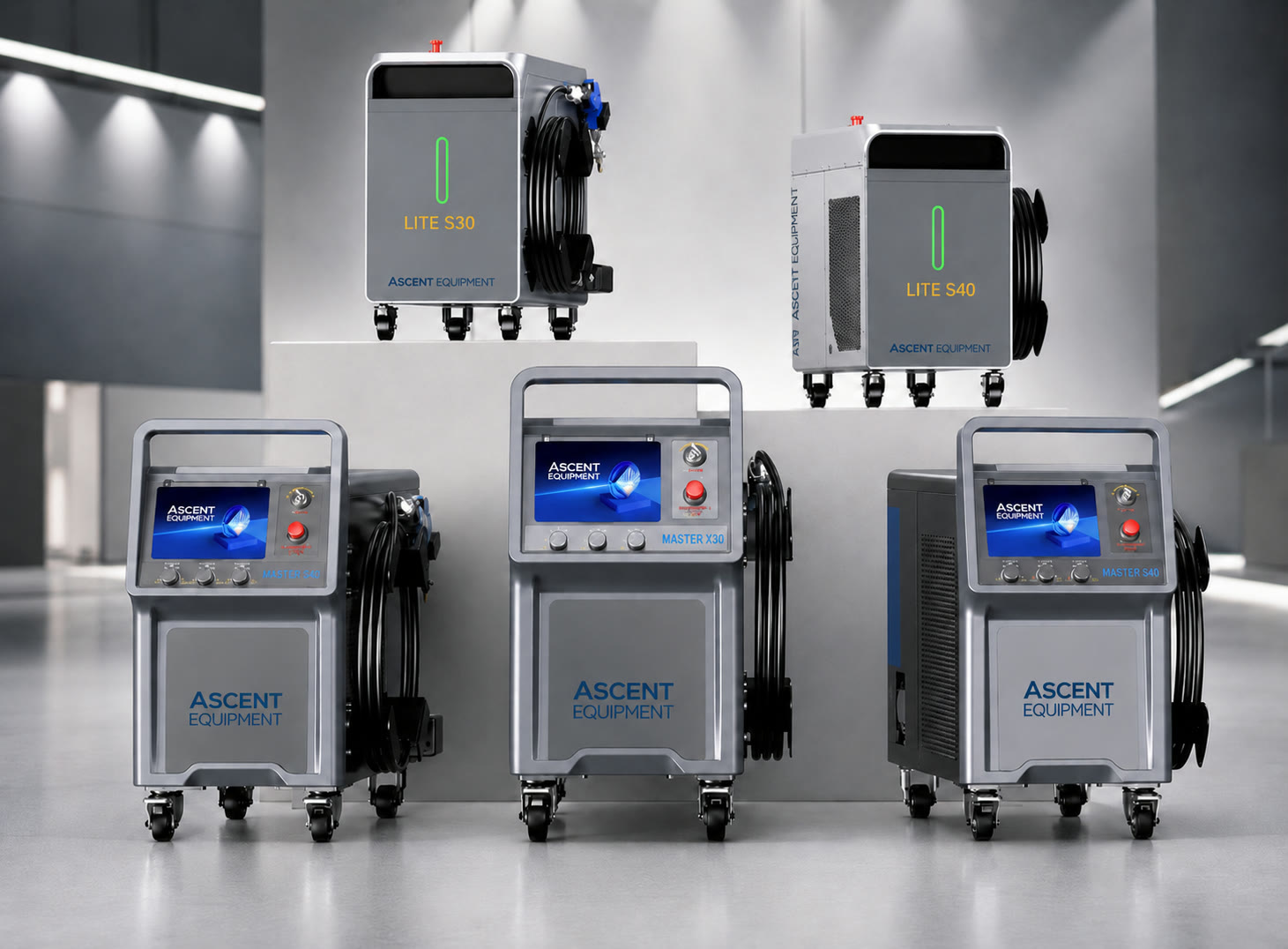
Ascent builds equipment around those different production requirements, so a sign company can put together a manufacturing system that actually matches what it sells.
Depending on the model and configuration, Ascent channel letter bending equipment can process materials for:
- Traditional trim-cap channel letters
- Trimless channel letters
- Reverse- and halo-lit letters
- Front-and-back-lit letters
- Side-illuminated letters
- Aluminum trim
- Stainless steel and galvanized returns
- Large architectural letters and sign cabinets
The right machine for the material and construction method means more consistency and less manual fabrication. Operators end up spending less time measuring, marking, cutting, notching, and correcting returns by hand.
That frees skilled employees to spend their time on assembly, finishing, quality control, and other work that actually adds value.
Reduce the number of manual decisions
Every manual decision is a chance for something to come out a little different.
One employee puts a seam here, another puts it there, and the sign still works, but production is no longer consistent. The same thing happens when people reach for different adhesives, bend allowances, welding settings, LED spacing, or assembly methods.
Written work instructions close off a lot of that variation.
A production standard should clearly define:
- The approved material and thickness
- The file-preparation requirements
- The machine and tooling to be used
- The preferred seam and joint locations
- The assembly method
- The welding or fastening procedure
- The electrical components
- The inspection requirements
- The packaging method
Employee judgment still has a place: solving the problems that genuinely call for experience, not the routine decisions a standard should already answer.
Improve accuracy with automated bending
Manual channel letter fabrication leans heavily on operator skill, and even a genuinely experienced fabricator can end up with inconsistencies in letter dimensions, bend locations, flange depth, or return length.
Automated bending fixes that by producing returns straight from the prepared design file. Once the material profile and settings are locked in, the same construction method repeats across as many letters, signs, or locations as needed.
This is especially valuable for:
- Multi-location retail programs
- National account work
- Repeated corporate logos
- Large channel-letter sets
- Projects with tight installation schedules
- Replacement letters that must match an existing sign
Consistent returns also make assembly downstream easier: backs, faces, and returns fit together more accurately, which cuts adjustment time and improves how the finished sign looks.
Standardize welding and assembly
Bending the return is just one piece of channel letter production. Welding and assembly can turn into just as big a bottleneck.
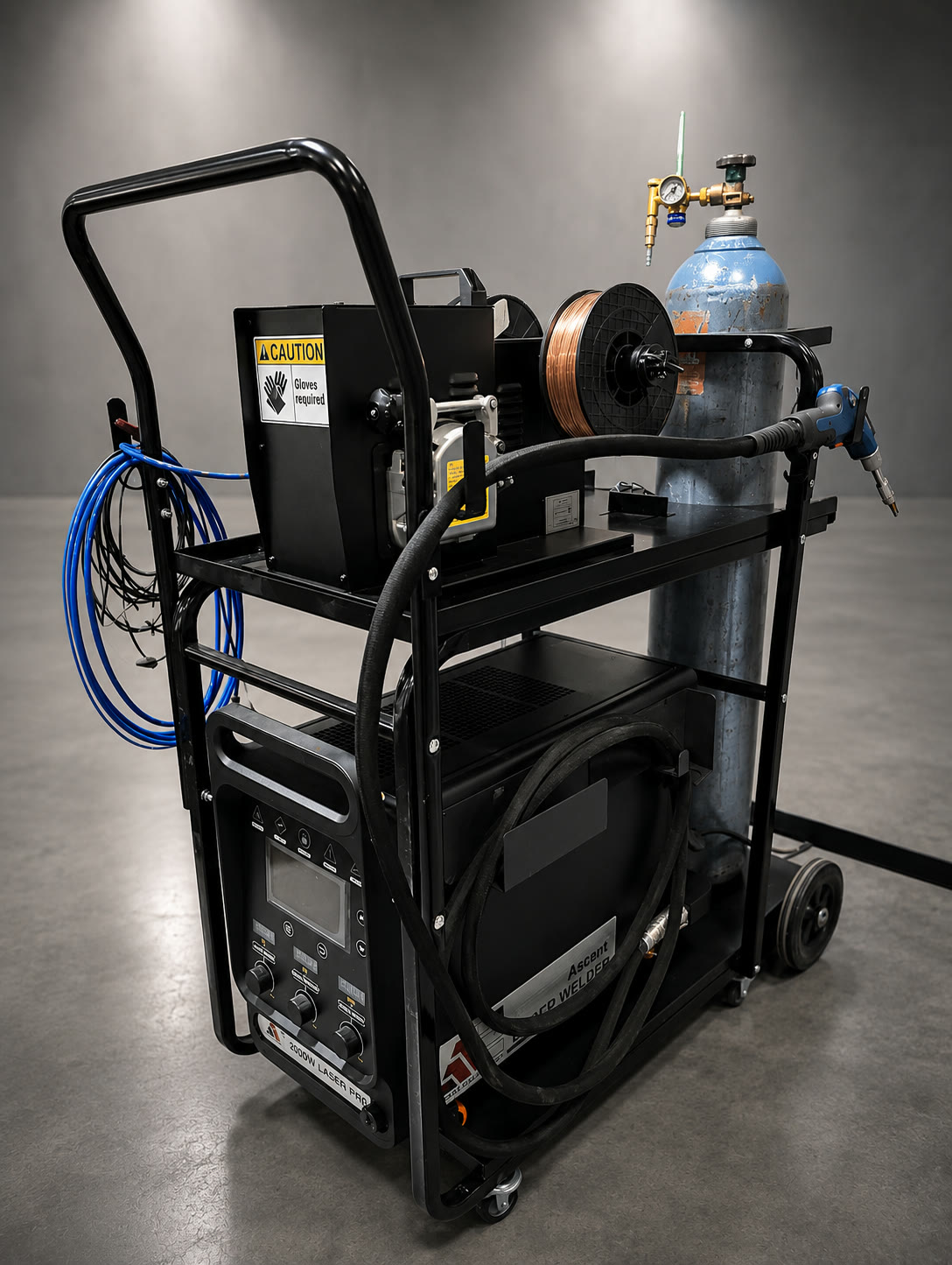
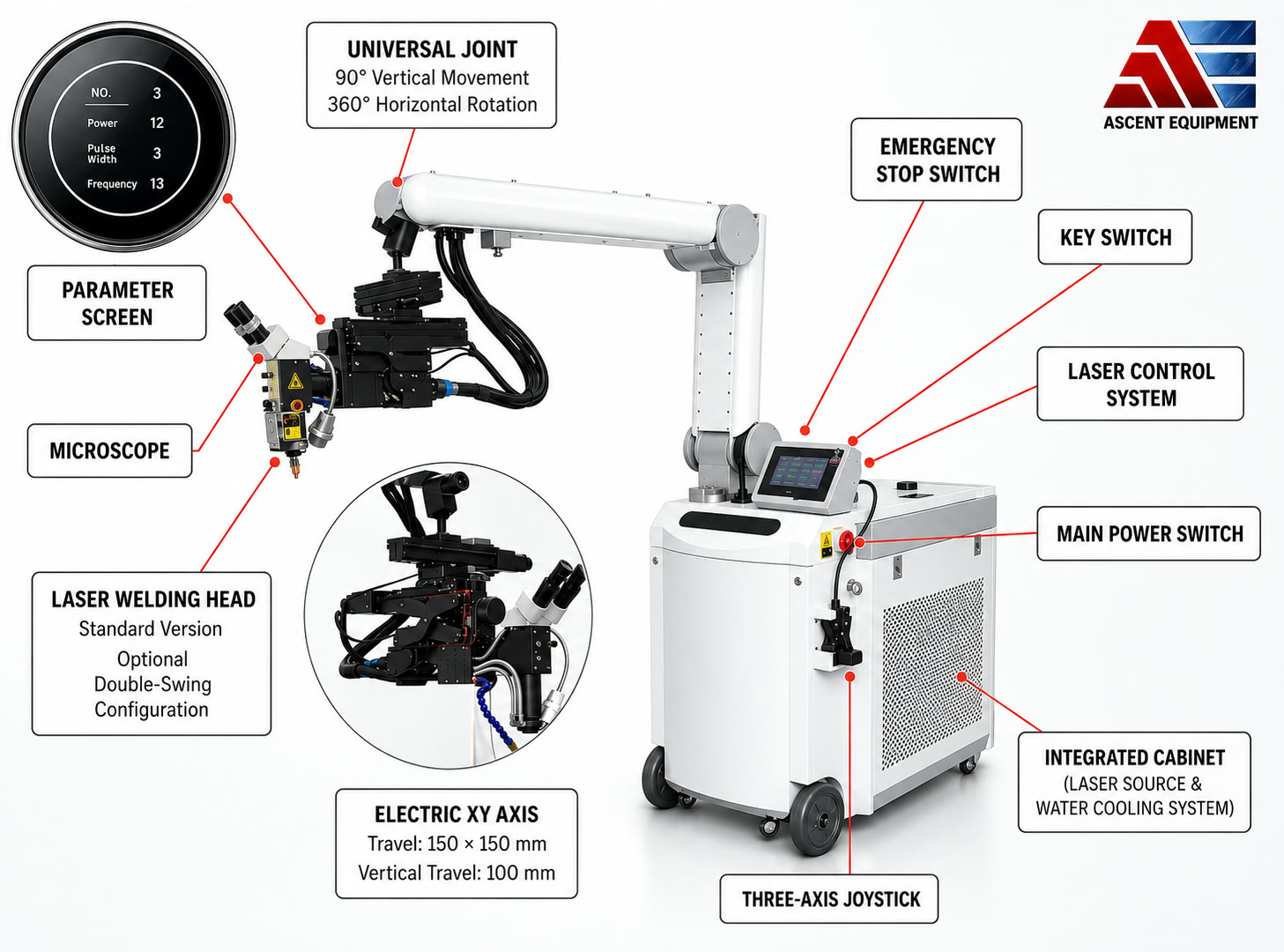
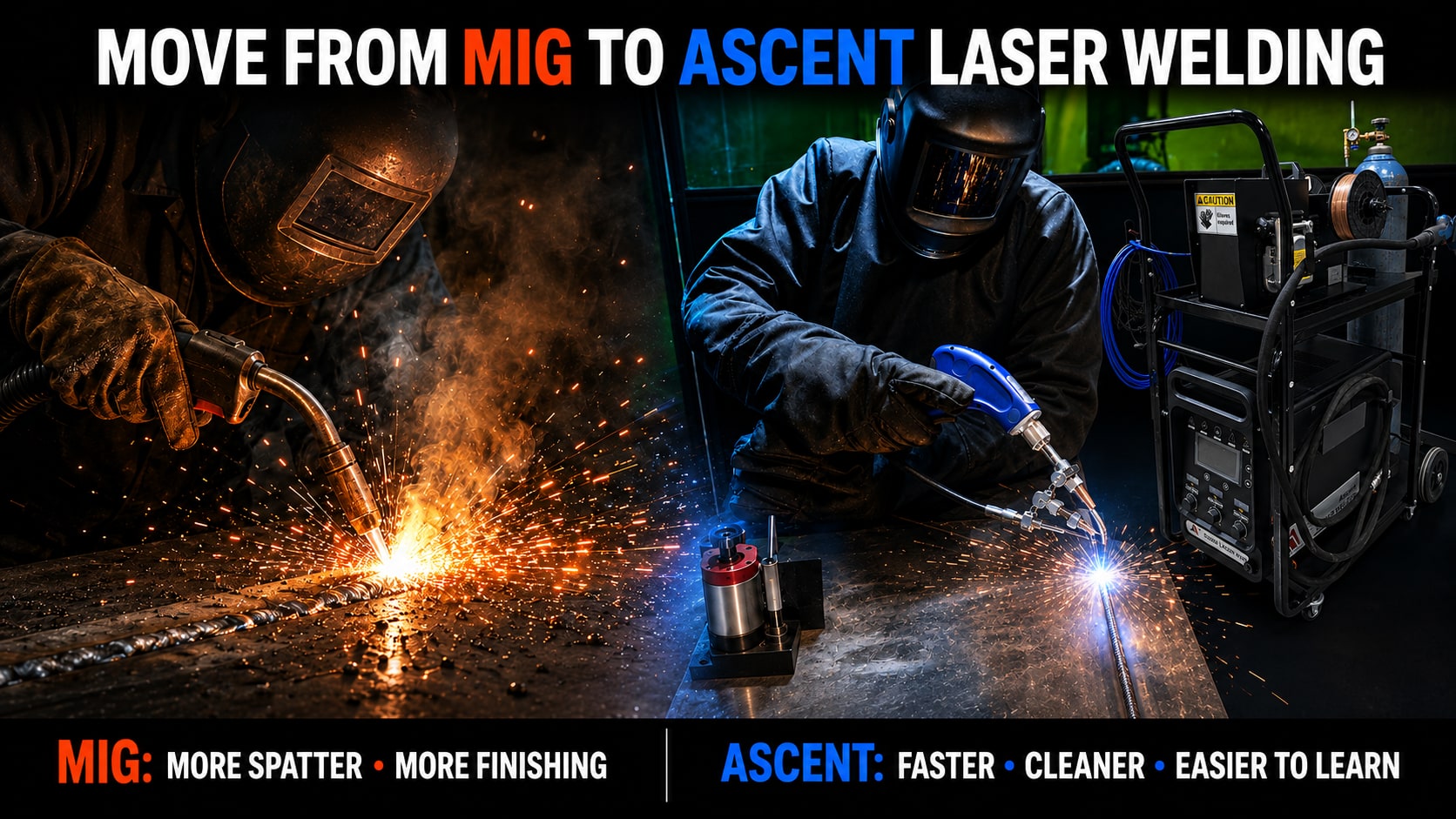
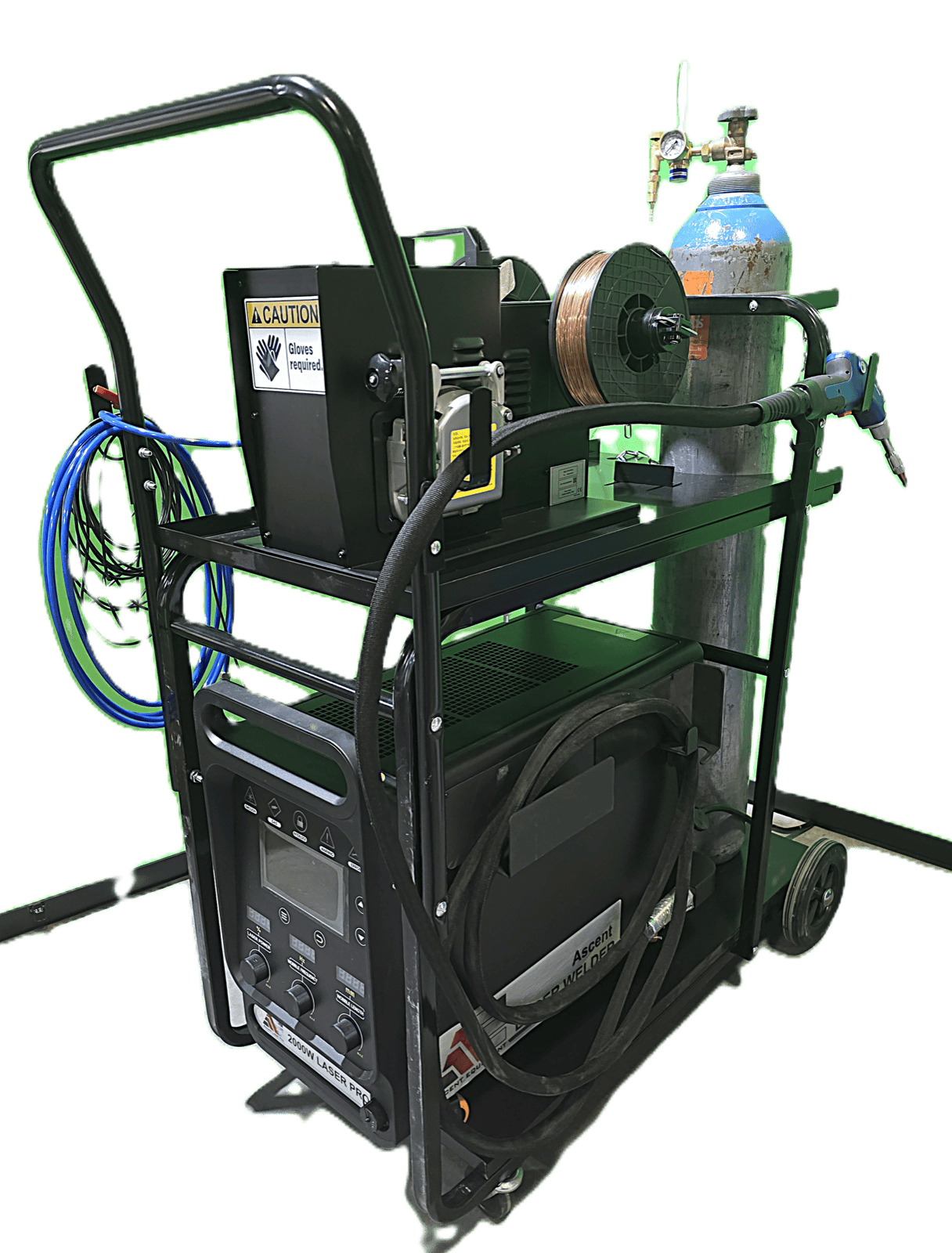
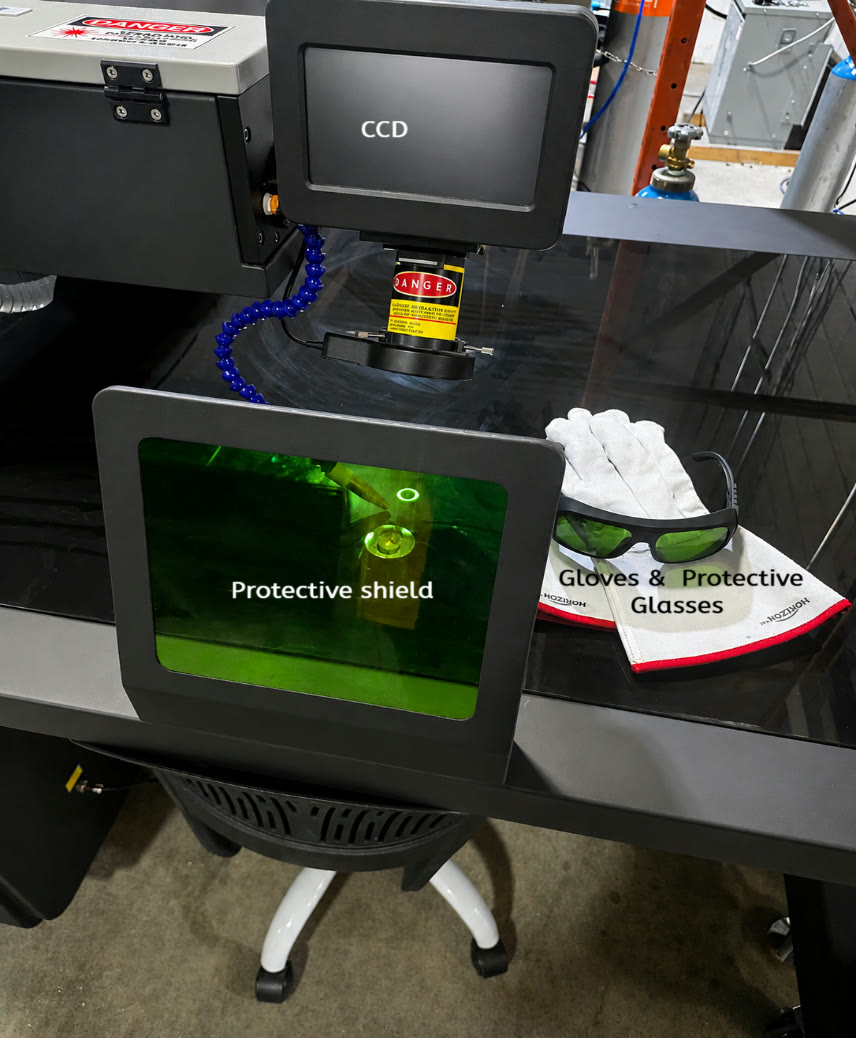
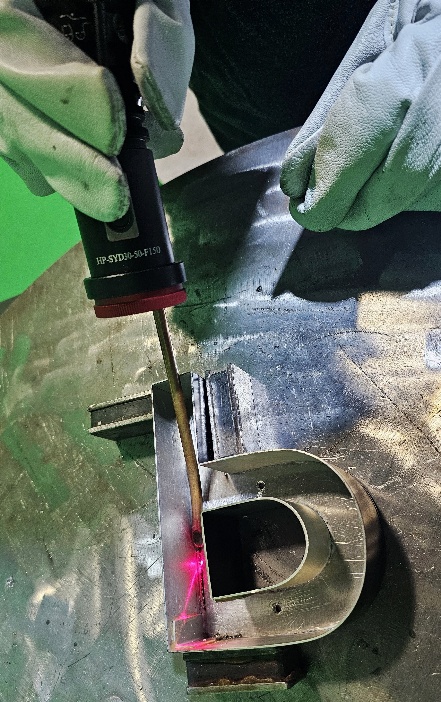
Ascent laser welding equipment can standardize how aluminum, stainless steel, galvanized steel, and other compatible materials get joined. With the right settings, training, fixtures, and safety procedures, laser welding compares well against traditional welding: a smaller heat-affected area, less distortion, cleaner seams, and less post-weld finishing.
Fixtures and jigs deserve the same standardization. A well-designed fixture controls alignment, joint position, spacing, and part movement, makes the process easier to teach, and means an employee isn't holding components in place by hand.
Standard assembly stations can include:
- Dedicated tools and fixtures
- Clearly identified adhesives and fasteners
- Approved welding settings
- LED-spacing templates
- Wiring diagrams
- Inspection checklists
- Samples showing acceptable quality
A workstation set up properly cuts down on searching, wasted movement, and mistakes.
Connect cutting, bending, welding, and assembly
The biggest productivity gains show up when individual machines stop being treated as separate islands and start working as one manufacturing system.
A coordinated workflow might look like this:
- Engineering prepares and verifies the production files.
- A CNC router or laser cutter produces the letter backs and faces.
- An Ascent bending machine forms the returns.
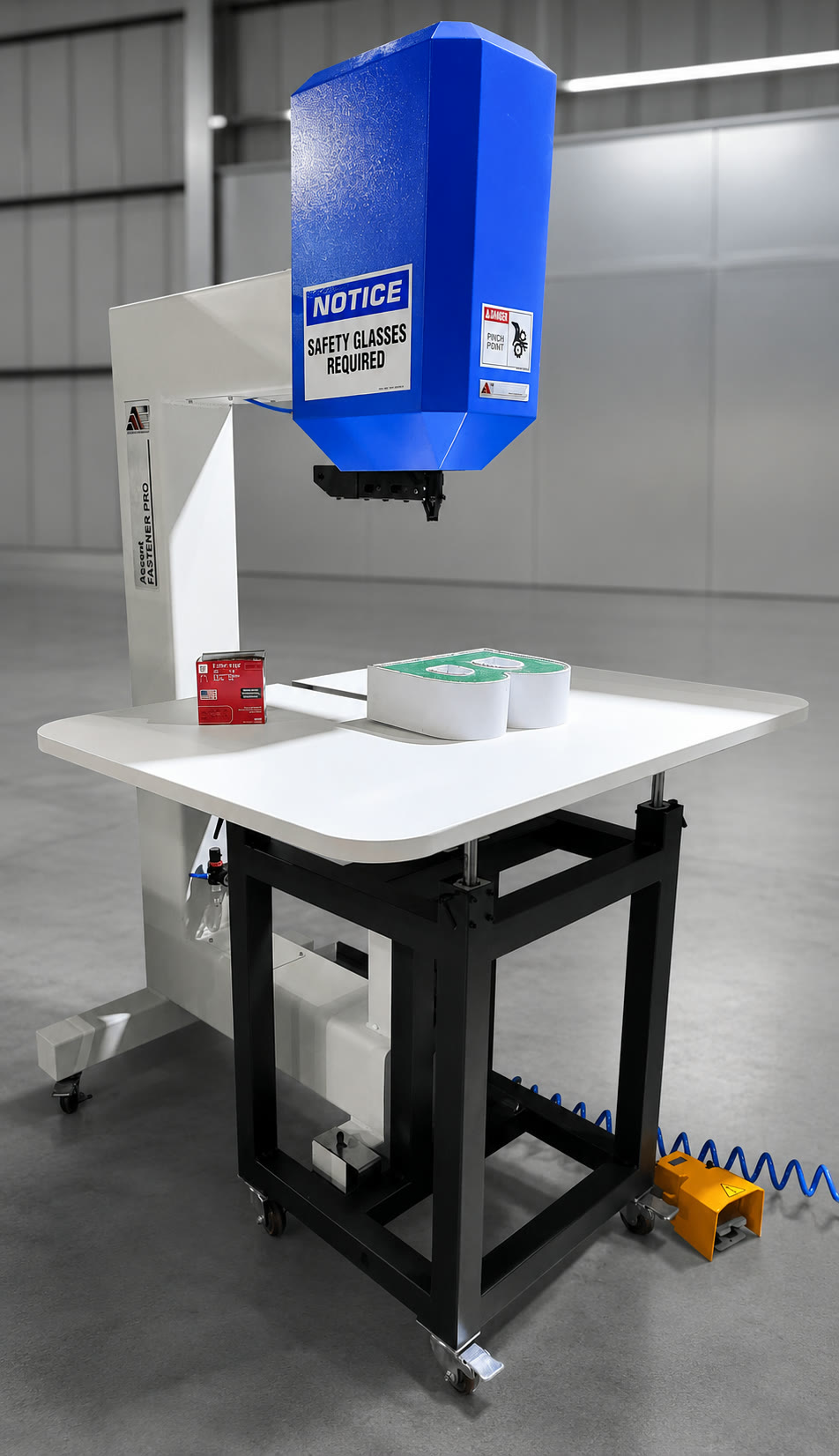
- A pneumatic stapler, approved adhesive system, or laser welder joins the components.
- LEDs and electrical components are installed using standard layouts.
- The completed sign is tested and inspected.
- The product is photographed, labeled, packaged, and prepared for delivery.
Coordinate those steps properly and parts show up at assembly at roughly the same time, so nobody's standing around waiting on a missing face, back, or return, and scheduling production gets a lot easier.
Build quality into the process
Quality can't ride entirely on a final inspection.
Find a problem only after a sign is completed, painted, wired, and tested, and fixing it gets expensive. It's far more efficient to check quality at several points along the way.
Useful inspection points include:
- Engineering-file approval
- Material verification
- First-part inspection
- Bend and flange verification
- Face-and-back fit check
- Weld or fastening inspection
- LED and wiring inspection
- Illumination testing
- Final dimensional and cosmetic inspection
- Packaging verification
The first completed part matters more than people often realize. Get the first return, face, or letter right, and the rest of the order can proceed with confidence. Get it wrong, and the mistake gets caught before the whole order is built.
Measure what is actually happening
Real improvement depends on having reliable information.
The number of signs shipped isn't the only thing worth tracking. Sign companies should also keep an eye on:
- Engineering time per project
- File-preparation errors
- Machine setup time
- Production time per letter
- Material waste
- Rework hours
- First-pass quality
- Equipment downtime
- On-time completion
- Installation-related corrections
Numbers like these show where delays and quality problems really start. A production department can look slow when the real issue is incomplete engineering upstream. A bending machine can look like the bottleneck when employees are actually just waiting on materials or approved files.
With accurate data, sign companies can address the actual cause of a problem instead of just its symptoms.
Standardization makes training easier
A lot of sign companies lean heavily on a small handful of experienced employees, and when those people are out, production slows down or quality gets shaky.
Standardized files, materials, machine settings, fixtures, and work instructions make that knowledge much easier to pass on. A new employee can learn a defined process instead of picking things up purely by watching and listening.
Ascent equipment supports that by automating a lot of what used to take years of manual fabrication experience to master, and the installation, on-site training, and ongoing technical support that come with it help companies build reliable procedures and more confident operators.
Experienced fabricators are still enormously valuable. Their knowledge is best spent improving the system, not fixing the same preventable problem again and again.
Continuous improvement does not require a complete factory redesign
Standardization can start small, with a single product family or a single production area.
A company might start by standardizing its most common front-lit channel letter, documenting the materials, drawings, machine settings, assembly process, LED layout, inspection procedure, and packaging method, then applying that same approach to other products.
Small improvements can produce meaningful results:
- Reducing the number of standard letter depths
- Creating approved material profiles
- Organizing commonly used machine settings
- Developing repeatable engineering templates
- Adding first-part inspections
- Improving communication between engineering and production
- Using fixtures for frequent assembly operations
- Recording the cause of every remake
Over time, small changes like these add up to a manufacturing operation that's more predictable and easier to scale.
Custom signs can still be produced through a standard process
Custom fabrication will always need flexibility. That's part of what makes the sign industry creative and worthwhile.
But customization doesn't have to mean disorder.
A sign can be one-of-a-kind and still move through a standardized engineering, cutting, bending, welding, assembly, inspection, and packaging process. Pair thoughtful engineering standards with Ascent production equipment, and a sign company can cut labor, tighten consistency, shorten lead times, and produce more.
What actually matters is a dependable system that makes better signs: fewer errors, less waste, more predictable results. Making them faster is really just a side effect.
Every project might start out as a custom design, but that doesn't make it a brand-new manufacturing experiment each time.
Make sure your production layout has the correct flow
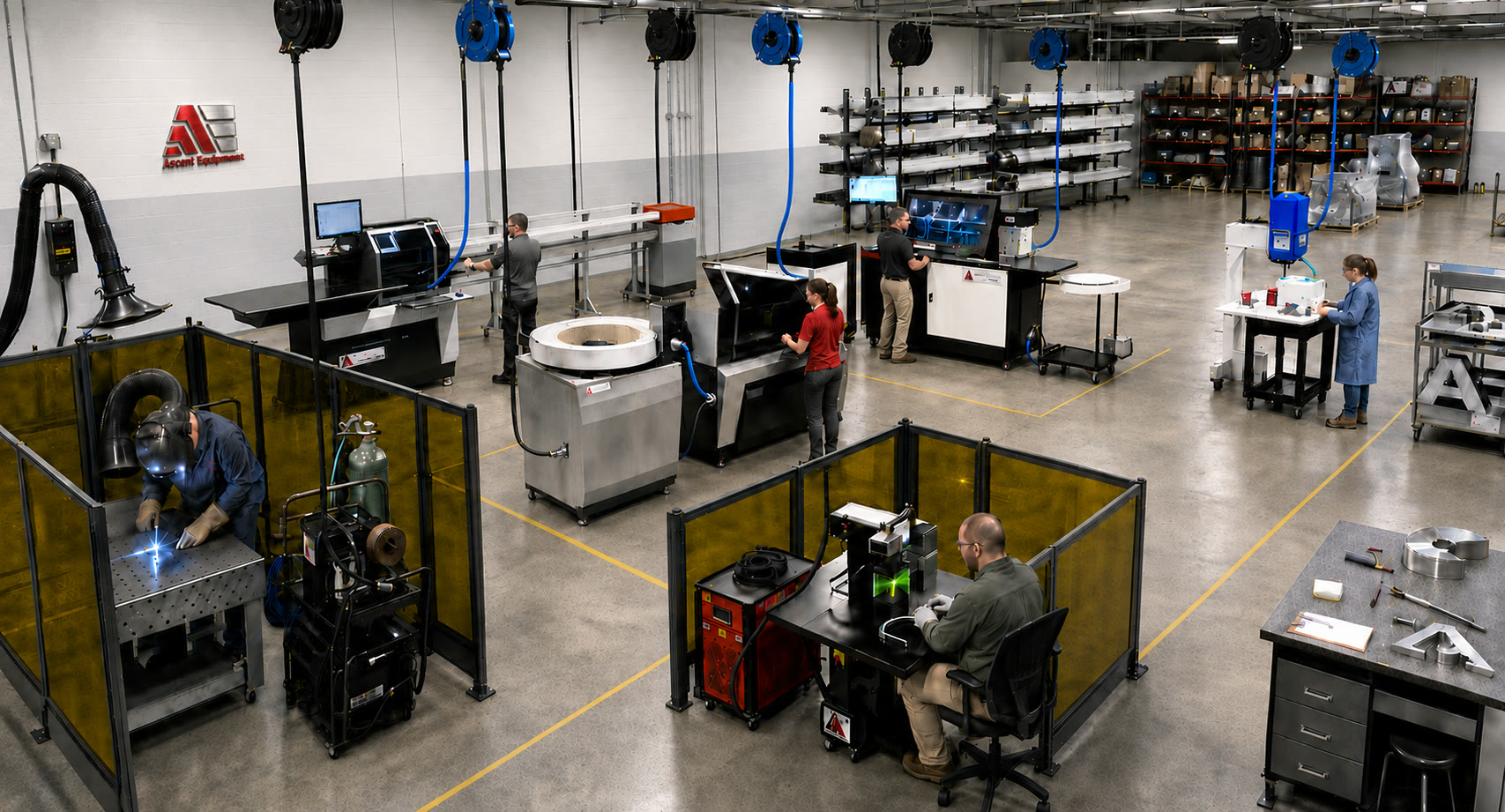
Even the best equipment can't reach its full potential on a poorly organized production floor. Machines and workstations need to follow the natural sequence of production, so material keeps moving forward instead of doubling back, getting handled twice, or cutting through active work areas.
A well-planned sign-production flow might follow this sequence:
- Raw-material receiving and storage
- Engineering and production-file preparation
- CNC routing or laser cutting
- Channel letter bending
- Welding, fastening, or stapling
- Surface preparation and painting
- LED installation and electrical assembly
- Final assembly
- Testing and quality inspection
- Packaging and shipping
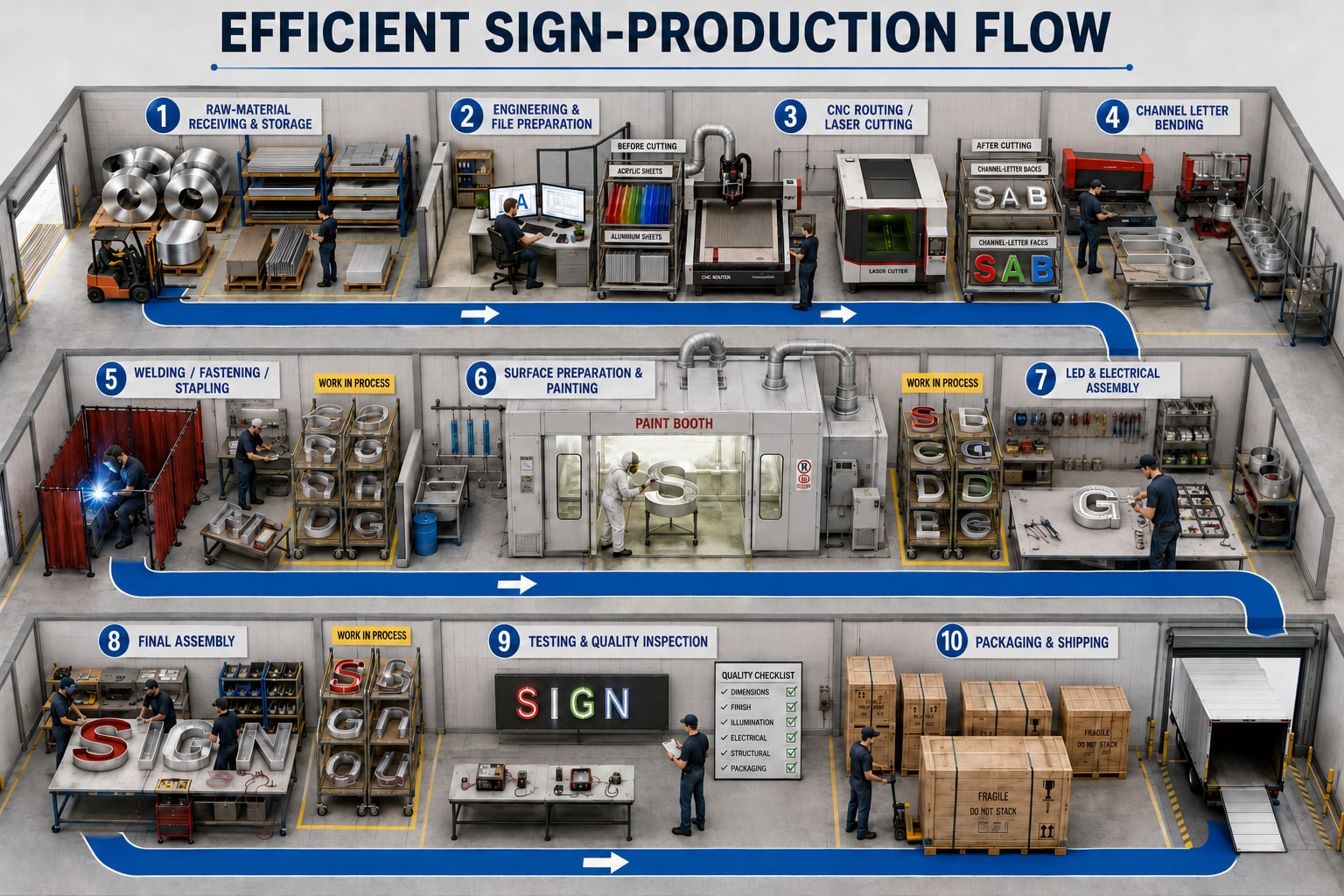
Efficient layout
The unbalanced production line requires adding material input and output stations at each step.
Given the importance of material handling, mobile carts should be implemented.
Keep related equipment close together, but leave enough room for operators, material handling, maintenance, ventilation, and safe operation. Store the materials, tools, and components people use most often near the workstations where they're actually needed.
The layout also needs to keep quality- and safety-sensitive processes apart. Grinding, sanding, welding, and painting shouldn't interfere with clean assembly, LED installation, or final testing, and a finished sign shouldn't have to travel back through the area where raw material is being cut or fabricated.
A production floor that flows well cuts down on walking, waiting, material handling, congestion, and accidental damage, and it makes bottlenecks easier to spot and lets supervisors actually see how work is moving through the factory.
Before buying or moving equipment, walk the complete journey a typical sign takes through the facility. The shortest route isn't always the best one; the goal is a flow that's safe, logical, and uninterrupted, from raw material to finished sign.