
How to Reduce Labor Costs in Your Sign Shop
Labor is the largest variable cost in most sign shops. Materials are what they are — aluminum, acrylic, LED modules — and their prices move slowly. Labor rates move faster, skilled workers are harder to find every year, and the minutes spent on every letter, every cabinet, every installation add up to the margin difference between a profitable job and a break-even one.
The good news is that most of the labor time in a sign shop is not skilled labor — it is repetitive manual work that automation can absorb. This post covers where that time goes, which steps are easiest to eliminate, and how shops are reducing labor costs without reducing headcount.
Where the Labor Hours Actually Go
Before you can reduce labor, you need to know where it is. Most channel letter shops, when they track time honestly, find that production labor breaks down roughly like this:
Bending and notching: The time to form aluminum returns on the bending machine. This step is already largely automated in shops with CNC bending machines — the machine does the notching and bending; the operator loads coil and monitors.
Trim cap: Cutting trim cap to length, mitering corners, fitting it around the letter perimeter, stapling or gluing, and finishing the joints. On a conventional front-lit letter, trim cap can represent 10 to 20 minutes of hand labor per letter depending on complexity.
Closing the letter (back panel): Attaching the back panel to the return — either by welding or by mechanical fastening. TIG welding a letter back is skilled work and takes time. Even for experienced welders, a medium-complexity letter takes 15 to 30 minutes to close.
LED installation: Running LED strips inside the return, connecting drivers, routing wires. This is largely manual and scales directly with the number of letters.
Rework and touch-up: Fixing weld distortion, refinishing areas damaged by heat, touching up trim cap joints, correcting LED gaps. Shops with welding-heavy processes spend a disproportionate amount of time here.
Installation: Labor at the job site — drilling, mounting, wiring. Harder to reduce because it is inherently site-specific, though better prefabrication reduces surprises on site.
The biggest opportunities for labor reduction are in trim cap, closing, and rework — the three steps most dependent on skilled hand work.
Eliminate the Trim Cap Step
Switching to trimless letter production is the single highest-impact change most conventional sign shops can make to their labor cost per letter.
Trimless letters use Ascent aluminum extrusion profiles with built-in face features instead of flat aluminum coil with trim cap on top. A clear polycarbonate layer is pinned to the extrusion with tiny pins and the acrylic face is glued on. There is no trim cap to cut, fit, corner-miter, staple, or finish.
For a shop producing 400 conventional letters per month at 15 minutes of trim cap labor per letter, that is 100 hours of hand labor per month — at $25/hr, $2,500/month — that disappears when you switch to trimless production. The extrusion profiles cost slightly more than flat coil, but the labor saving dwarfs the material premium within the first month.
Trimless production requires a CNC bending machine capable of processing extrusion profiles — specifically the Ascent 4AS or 5AS. Standard bending machines process flat coil only and cannot produce trimless letters.
Eliminate the Welding Step
The second-largest labor opportunity is closing the letter without welding.
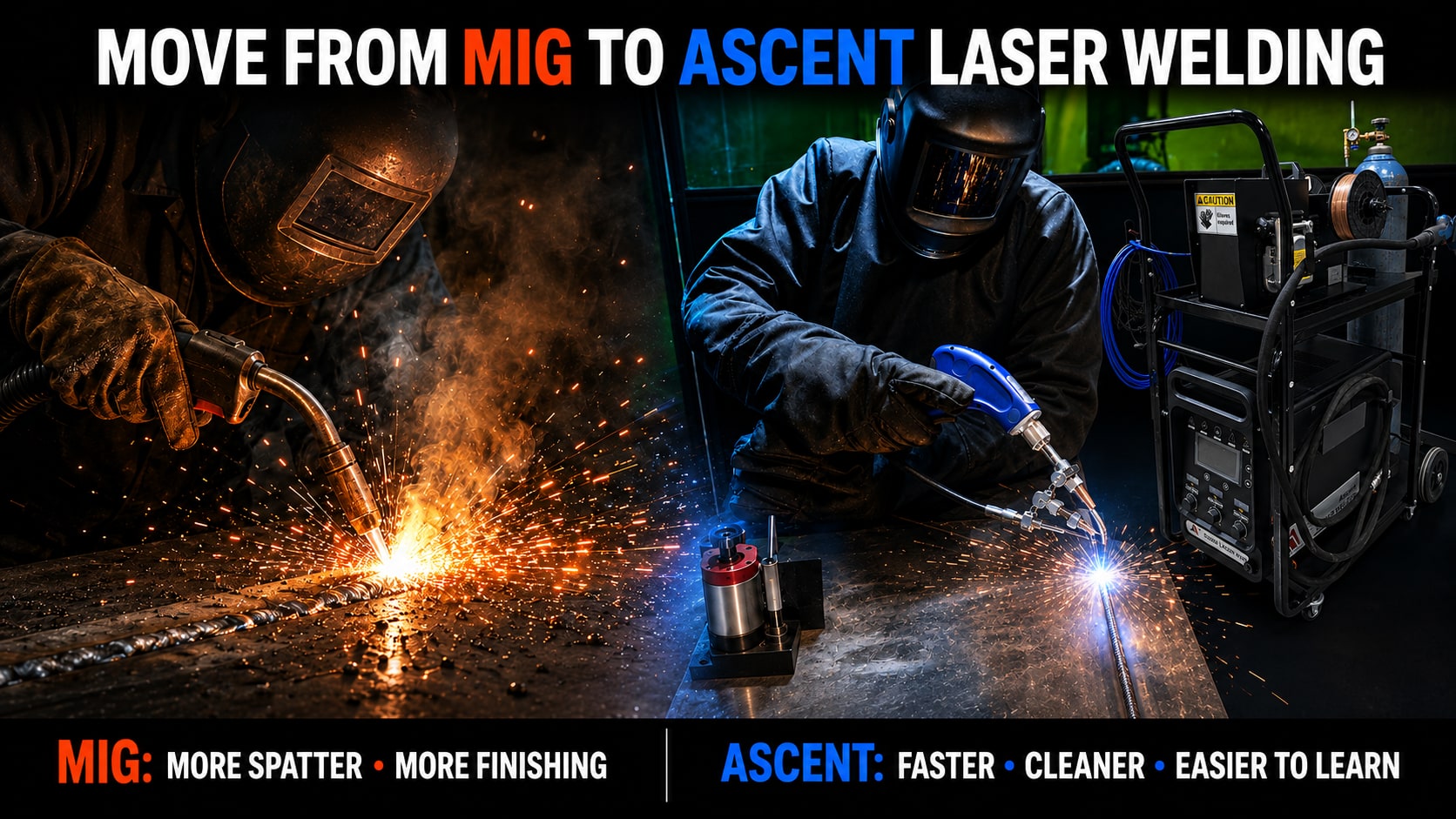
Traditional channel letter production closes the back panel by TIG welding it to the aluminum return. Welding requires a skilled, certified welder — the most expensive labor category in most shops. It also introduces heat, which can warp thin material (especially 0.040"), requires grinding and finishing, and is inherently slow.
The Ascent extrusion system closes letters with stainless steel pins and clips instead of welding. The operator pins the return with the pneumatic gun and clips the back panel on, and the letter is closed — in 15 to 30 seconds per letter instead of 15 to 30 minutes. The mailer gun requires no special training and can be operated by any production employee.
Eliminating TIG welding on 400 letters per month, at an average of 20 minutes per letter, removes 133 hours of skilled labor per month. At a welder's rate of $35/hr, that is $4,667/month in labor cost reduction — enough to pay for a new bending machine in under a year.
The additional benefit: shops that eliminate welding find their rework rate drops significantly, because the heat distortion and weld-grinding touchups go away with it.
Eliminate the Welding Step on Reverse Halo Letters
Reverse halo letters are particularly labor-intensive under a welding workflow because the back panel needs a clean, continuous weld seam — the halo effect makes any imperfection visible as an uneven glow line. Shops that weld reverse halo letters often spend 30 to 45 minutes per letter just on the close.
The Ascent 4AS and 5AS produce reverse halo letters without welding, using the same extrusion-and-clip system as trimless letters. The back closes in under a minute. The halo is even because the clip system holds the back panel consistently flush — not because a welder had a steady hand that day.
Use a CNC Router or Laser Cutter for Face and Back Panel Cutting
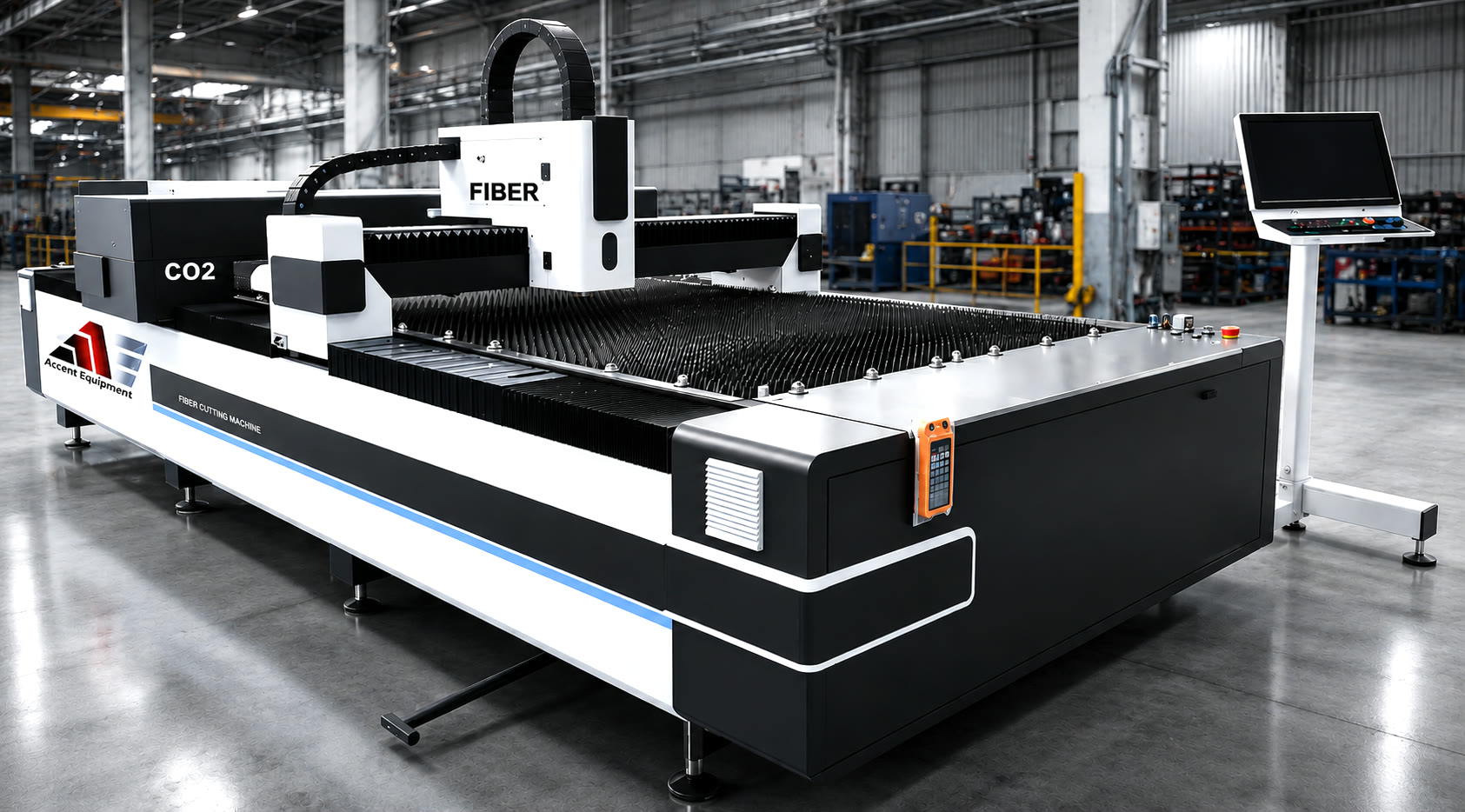
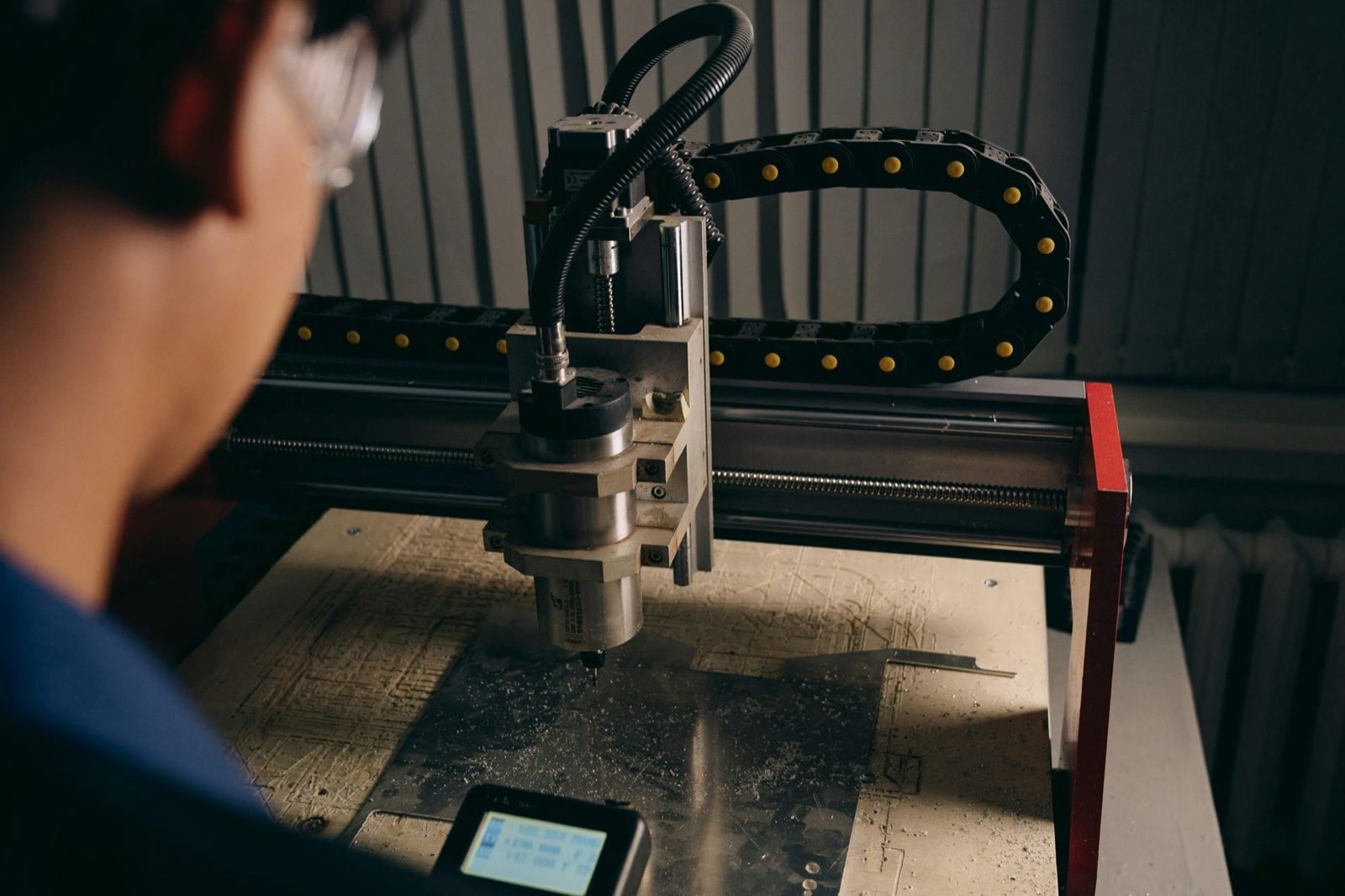
Manual cutting of acrylic faces and aluminum back panels is slow, imprecise, and produces scrap. A CNC router or CO₂ laser cutter cuts from DXF or AI files directly, holds tight tolerances on every letter, and runs unattended — one operator can run the machine while doing other work.
The shift from manual cutting to CNC cutting typically reduces face and back panel labor by 60 to 80 percent and reduces material scrap by a similar amount. For shops still cutting faces manually, this is the fastest payback investment available.
Right-Size Your Equipment to Your Letter Mix
A shop running the wrong machine for its letter mix wastes labor on workarounds. Common mismatches:
Using a conventional bending machine to produce trimless letters: Not possible. Shops attempting this produce conventional letters with trim cap and compete on price alone — a losing strategy as labor rates rise.
Using a welding workflow to produce reverse halo letters at volume: Possible, but brutally labor-intensive. This is the workflow most shops are trying to escape.
Using a manual trim machine when volume justifies automation: The Ascent TMB-3 produces aluminum trim cap from coil and bends letters in the same pass, replacing two separate machines and two operators with one.
Matching the machine to the letter type eliminates the labor penalty of forcing the wrong process.
Train to the Machine, Not the Old Process
One underappreciated source of excess labor is shops that buy new equipment but train operators to use it like the old equipment. A bending machine operator trained on a welding workflow will default to welding even after a clip-based system is installed, because that is what they know.
Effective labor reduction requires training operators on the full new process — including the pneumatic mailer gun, the clip system, and the extrusion profile handling — so the old steps are genuinely eliminated rather than running in parallel.
This is one reason Ascent includes on-site installation and training with every machine. A technician who trains your team on the specific workflow the machine was designed for gets you to full efficiency faster than a PDF manual.
Track Time per Letter, Not per Batch
Most shops track production in batches — a job is done when it ships. This makes it nearly impossible to identify where labor is going within the job. The shops that consistently reduce labor costs are the ones that track time per letter per step: bending, face cutting, LED install, close, test.
Even rough tracking — a whiteboard with letter counts and times — reveals within a few weeks which steps are costing the most labor per unit. That data makes investment decisions obvious.
The Compounding Effect of Multiple Improvements
Labor savings compound when you make multiple improvements together. A shop that switches to trimless production and eliminates welding simultaneously does not save the sum of each change — it saves more, because the rework that stemmed from both processes is also eliminated.
A realistic scenario for a shop producing 500 letters per month:
- Eliminate trim cap step: save 12 min/letter × 500 = 100 hrs/month
- Eliminate welding step: save 20 min/letter × 500 = 167 hrs/month
- Reduce rework from 8% to 2%: save ~30 hrs/month
Total: approximately 300 hours per month at $25–35/hr = $7,500–$10,500/month in labor reduction. At that scale, a $44,000 bending machine pays for itself in four to six months.
Next Steps
If your shop is still running a welding workflow on trimless or reverse halo letters, or still applying trim cap by hand, the labor math is working against you every day. The right equipment change does not just reduce cost — it increases the letter types you can offer, improves quality consistency, and lets you compete on capability rather than price.
The Ascent 4AS is the starting point for most shops making this transition. The 5AS adds F-trim and stainless steel capability. Contact us and we'll put together a production scenario based on your current volume and letter mix — including a realistic labor savings estimate before you commit to anything.