
How to Select a Laser Cleaner: The Complete Buyer's Guide
Fiber laser cleaning has replaced chemical stripping, abrasive blasting, and grinding in a growing number of industrial operations. It is faster, cleaner, non-contact, and produces no chemical waste. But the market ranges from $3,000 desktop units to $50,000 industrial systems, and the specs can be confusing if you are buying for the first time.
This guide covers every major decision: laser type, power level, cooling system, key specifications, and what questions to ask before you buy — regardless of industry or application.
What a Fiber Laser Cleaner Does
A laser cleaner uses a high-intensity beam of amplified light to remove contaminants from a surface. The laser energy is selectively absorbed by the contaminant layer — rust, paint, oxide, oil, scale, rubber residue — which vaporizes or ablates off the surface. The base metal beneath reflects much of the laser energy at the wavelengths used.
The result is a clean surface with no chemical contact, no abrasive media, and little or no change to the substrate — when the machine is properly selected and operated. No laser cleaner guarantees damage-free results, though, so test the settings on your own parts.
What laser cleaning removes:
- Rust and corrosion
- Mill scale and heat oxide from welding
- Paint, powder coat, and anodizing
- Oil, grease, and industrial lubricants
- Rubber and plastic residue from molds
- Soot and smoke damage
- Surface coatings from aerospace components
What laser cleaning does not do:
- Remove material stock (it is a surface process, not a cutting or grinding tool)
- Replace mechanical deburring or edge breaking
- Weld, cut, or reshape material
The Single Most Important Decision: Pulsed vs. Continuous Wave
Before wattage, brand, or price, the most important decision is whether you need a pulsed laser cleaner or a continuous wave (CW) laser cleaner. The two technologies work differently, cost differently, and are suited to different applications.
Continuous Wave (CW) Laser Cleaning
A CW laser emits an uninterrupted, steady beam of laser energy. It delivers maximum power to the surface continuously, which makes it very fast at removing heavy contamination from large areas — but it also transfers significant heat into the base metal.
Best applications:
- Heavy rust and thick scale removal from structural steel
- Large-area paint stripping on industrial equipment, vehicles, or infrastructure
- Pre-weld cleaning on thick steel (3mm and above) where heat input is acceptable
- High-volume production environments where speed is the priority
Where CW is not the right choice:
- Thin-gauge metals (under ~2mm) that are sensitive to warping
- Precision components where surface temperature must be controlled
- Paint or coating removal from aluminum or thin stainless where substrate integrity is critical
Power range: Typically 1000W to 3000W and above. Ascent's CW laser cleaning line starts at 1500W and goes to 3000W (MASTER X50, X60, and X80 models).
Pulsed Laser Cleaning
A pulsed laser fires in extremely short bursts — nanoseconds to microseconds — with high peak power per pulse. The pulse delivers enough energy to vaporize the contaminant layer, but the pulse ends before significant heat can conduct into the substrate. The result is a much smaller heat-affected zone.
Best applications:
- Delicate or thin-gauge metals where thermal damage is a concern
- Post-weld oxide and discoloration removal from stainless steel
- Paint or coating removal from precision parts that must not be warped or discolored
- Mold cleaning — removing rubber, plastic, or resin residue from injection molds while protecting the tool surface
- Aerospace components with tight surface finish tolerances
- Historical artifact or monument restoration
Where pulsed is not the right choice:
- Heavy, thick rust on large structural areas (slower and more costly per square foot than CW)
- High-volume industrial cleaning where throughput is the primary requirement
Power range: Typically 50W to 500W average power, though peak power per pulse can be in the kilowatt range.
Side-by-Side Comparison
| Pulsed | Continuous Wave (CW) | |
|---|---|---|
| Heat input to base metal | Very low | Higher |
| Risk of warping thin metal | Low | Higher |
| Cleaning speed (large area) | Slower | Fast |
| Best contamination type | Light–moderate, precision | Heavy, thick, large area |
| Cost per watt | Higher | Lower |
| Typical power range | 50W–500W | 1000W–3000W+ |
| Best industries | Aerospace, molds, precision parts, restoration | Steel fabrication, automotive, infrastructure |
Power Levels: Matching Wattage to Your Application
Power determines cleaning speed and the difficulty of contamination you can tackle.
50W–100W Light oxide, fingerprints, thin paint on small precision parts. Very low heat input. Suitable for delicate restoration work, electronics, or fine detail cleaning. Slow over large areas.
200W–300W The most common all-purpose level for moderate applications: moderate rust, thin-to-medium paint, weld oxide cleanup on small-to-medium parts. Good balance of speed, cost, and heat control. Suitable for a wide range of shop applications.
500W Heavy rust, thick coatings, faster coverage on medium-to-large surfaces. Common in fabrication shops and automotive restoration. Still manageable heat input on thicker steel.
1000W–1500W Industrial-grade cleaning. Fast coverage on large surfaces, capable of tackling severe rust and industrial scale. Ascent's MASTER X50 starts at 1500W.
2000W–3000W High-production environments. Maximum speed on the heaviest contamination. Ascent's MASTER X80 operates at 3000W. Requires proper ventilation, fume extraction, and operator training.
General guidance: Do not overbuy on power. A machine twice as powerful is not twice as useful if it is thermally damaging your parts or exceeding your actual cleaning volume. Start with a realistic picture of your material thickness, contamination type, and daily cleaning volume.
Industries and Applications
Manufacturing and Metal Fabrication
The most common industrial use is pre-weld surface preparation and post-weld cleanup. Oxides, oil, and mill scale on the weld zone reduce weld quality — they cause porosity, inconsistent penetration, and discoloration. Laser cleaning removes the weld zone contaminants precisely without masking or chemical treatment. Post-weld, it removes the heat discoloration from stainless steel and titanium without mechanical contact.
Automotive and Transportation
Selective paint stripping — removing coating from specific areas without full strip and repaint — is a major application. Engine parts, transmission components, and structural members are cleaned of oil, grease, and scale before assembly or welding. Rail and heavy equipment maintenance uses CW laser cleaning for large-area rust removal.
Aerospace and Defense
Thermal sensitivity and surface finish requirements make pulsed laser cleaning the standard in aerospace. Coating removal from aluminum and titanium, oxide removal from weld zones, and cleaning of precision machined surfaces are common. Class specifications and traceability requirements push buyers toward suppliers who can document laser parameters and surface results.
Mold and Tooling
Injection molds accumulate rubber, silicone, plastic residue, and mold release agents in recesses that are difficult to reach by mechanical means. Pulsed laser cleaning with tested settings removes this residue while protecting the mold's surface and dimensions — critical for maintaining part tolerances. This application is one of the strongest economic cases for laser cleaning, given the cost of mold downtime and the damage risk from abrasive alternatives.
Infrastructure and Restoration
CW laser cleaners are used on structural steel, bridges, pipelines, and historical monuments for large-area rust removal and surface preparation before coating. No blast media containment and no chemical neutralization are significant operational advantages on outdoor or heritage sites.
Sign Manufacturing and Fabrication Shops
Pre-weld prep on aluminum and galvanized steel channel letter returns, post-weld oxide removal from stainless faces, and rust removal from steel mounting hardware. Shops running fiber laser welders benefit significantly from having a laser cleaner in the same workflow — cleaner surfaces produce better welds with fewer rework passes.
Cooling Systems
The laser source itself generates heat during operation and requires cooling to maintain performance and longevity.
Air-cooled systems are lighter, more portable, and require no separate chiller unit. They work well for intermittent cleaning tasks — shorter sessions with natural breaks between. Under sustained, high-duty-cycle operation, they may throttle output or require cooling periods. Best suited for lower power (under 500W) or shops with moderate daily cleaning volume.
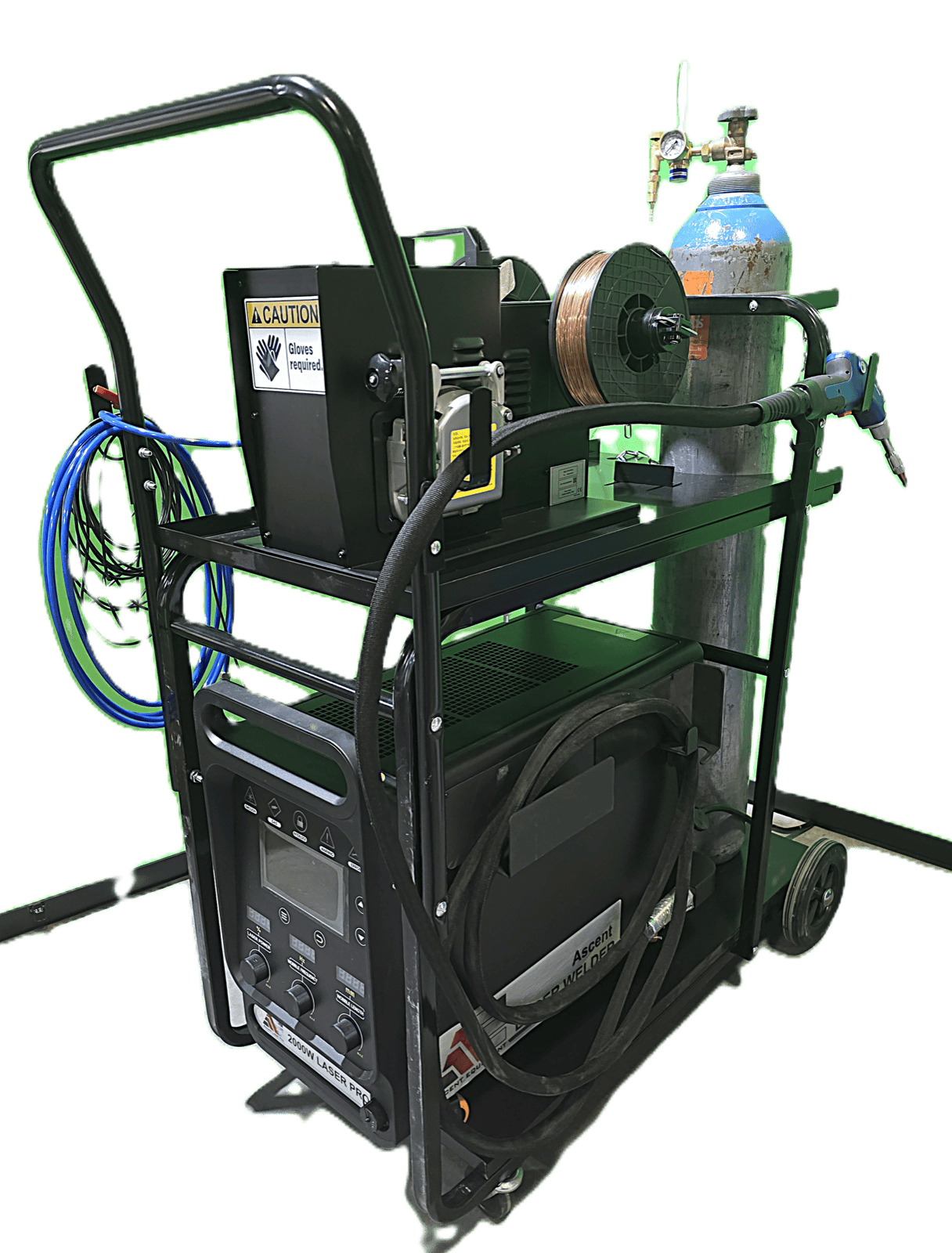
Water-cooled systems use a separate chiller unit to maintain laser source temperature during continuous operation. More capable of sustained high-power use, but adds a piece of equipment to maintain — the chiller requires coolant changes and periodic service. Common on 1000W+ industrial CW systems.
Refrigeration / heat pump systems use a built-in refrigeration circuit — similar to HVAC technology — to maintain temperature continuously without a separate chiller unit. Well-suited to variable ambient temperature environments (unheated warehouses in winter, hot shops in summer) and continuous production operation.
For high-power CW systems (1000W and above) running production shifts, water or refrigeration cooling is standard and necessary.
Key Specifications to Understand
Average power (W): The real-world cleaning power — how much total energy hits the surface per second. This is the number to compare across machines.
Peak power (W or kW): Relevant for pulsed systems. High peak power enables ablation without sustained heat transfer. A 200W average / 10kW peak pulsed system performs very differently from a 200W CW system.
Pulse frequency (Hz or kHz): How many pulses per second. Adjustable frequency lets you tune the machine for different materials and contamination types.
Spot size / beam width (mm): The width of the cleaning path per pass. Wider = faster on large surfaces. Narrower = more precise on detail work. Many systems include interchangeable lenses.
Scan width (mm): Systems with a galvo scanning head oscillate the beam across a wider swath without moving the handgun, significantly increasing throughput on large surfaces.
Duty cycle: What percentage of the time can the machine run at full power before requiring a rest period? 100% duty cycle means continuous operation. Air-cooled systems at high power often cannot sustain 100%.
IP rating: IP53 or higher indicates the machine is protected against dust ingress and light water spray — appropriate for industrial environments.
What Your Supplier Should Tell You
Before purchasing, any reputable supplier should be able to clearly answer:
- Is this pulsed or CW, and what is the peak power on pulsed systems?
- What is the duty cycle at maximum rated power?
- What fume extraction do you recommend for our materials?
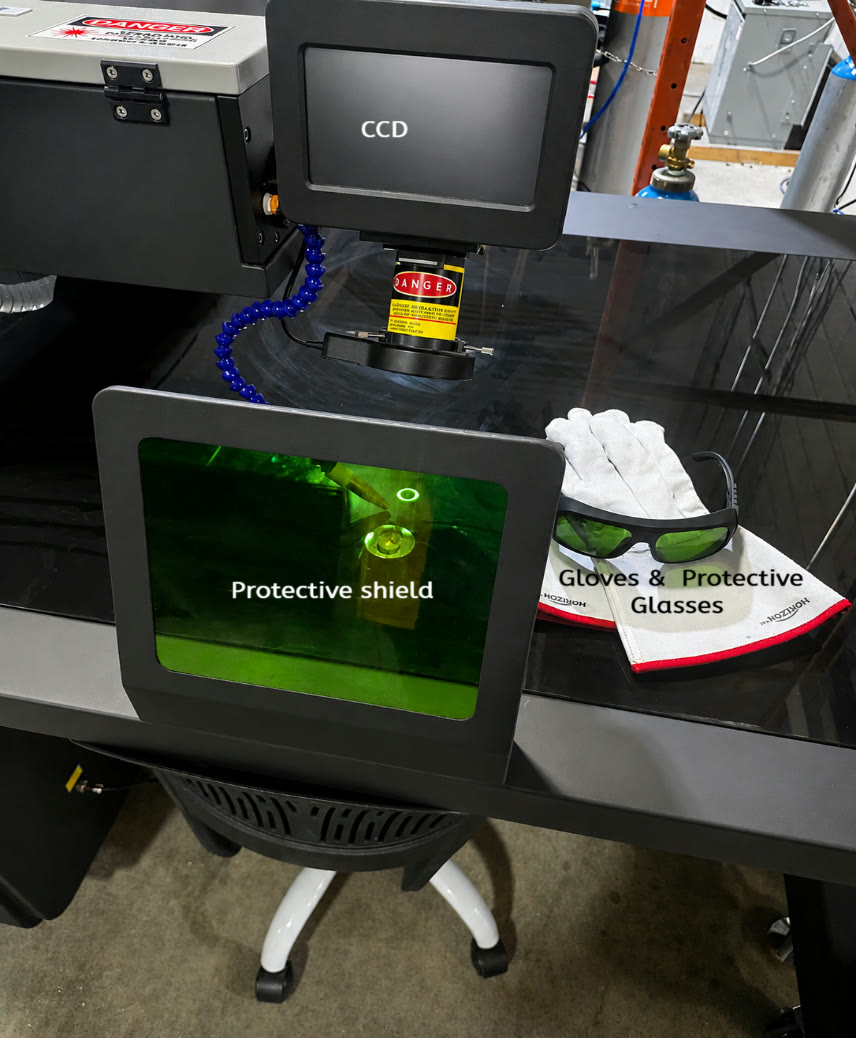
- What laser safety eyewear (OD rating and wavelength) is required for operators and bystanders?
- Does on-site installation and operator training come with the machine?
- What is the laser source manufacturer, and what is the rated service life of the source?
- Are parts and service available in North America?
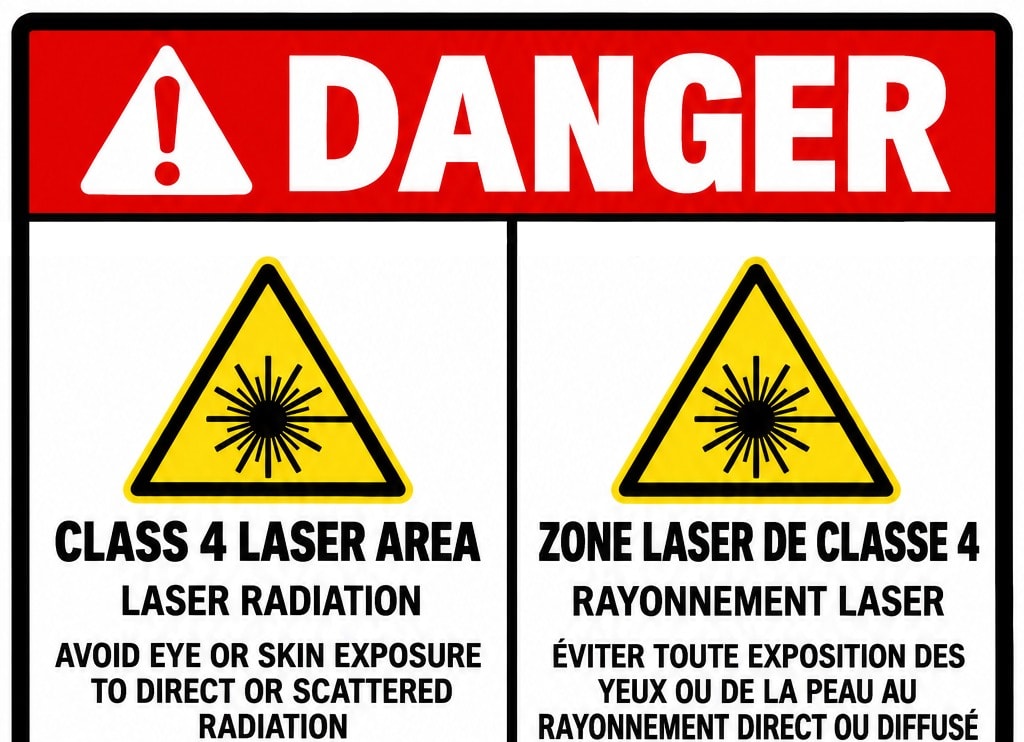
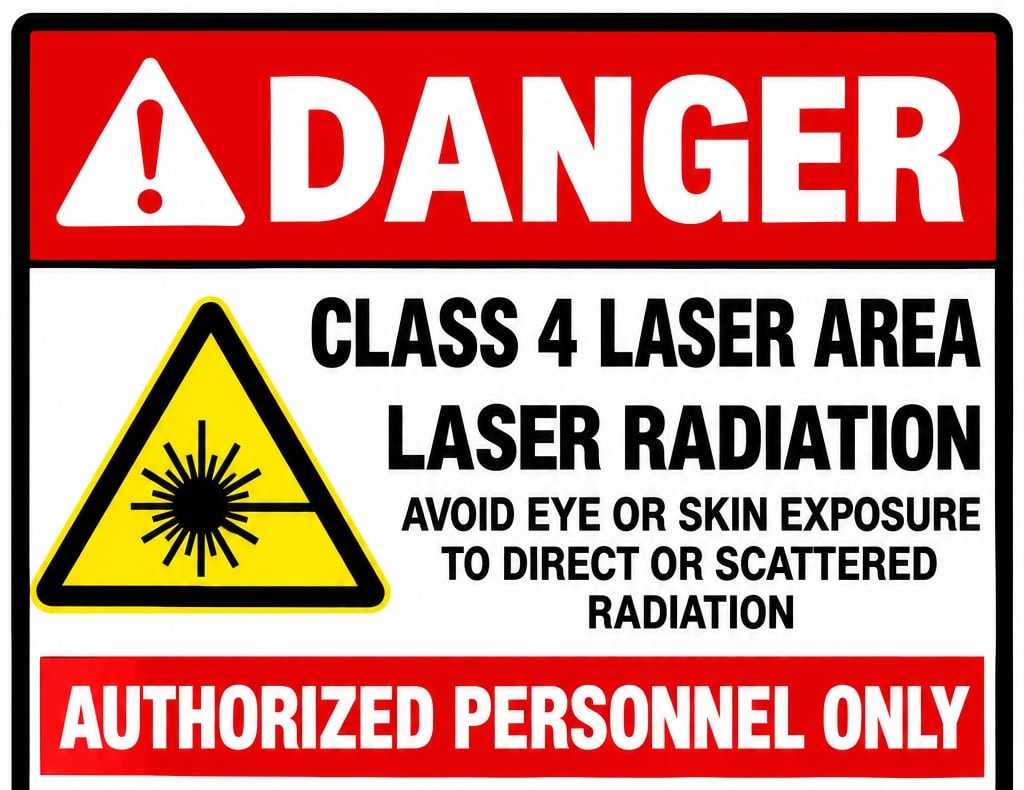
Fiber laser cleaners are Class 4 laser devices. A supplier who cannot clearly explain the safety requirements before the sale is one to approach with caution.
Red Flags When Shopping
- No peak power specification on a machine marketed as "pulsed" — it may be a CW system misrepresented.
- No mention of fume extraction — laser cleaning vaporizes contaminants into fine metallic particulate that must be captured.
- Duty cycle not specified — critical for knowing whether the machine can sustain your actual production volume.
- "4-in-1" machines that claim to weld, cut, clean, and do seam cleaning — each function is a compromise. For production environments, dedicated machines outperform multi-function units in each individual task.
- Overseas-only service and support — when a machine fails, lead times for international parts and service can cost more in downtime than the initial price savings.
Summary: Selection Checklist
| Decision | What to Choose |
|---|---|
| Light–moderate contamination, thin or precision metal | Pulsed laser cleaner |
| Heavy rust, thick coatings, large area, production speed | CW laser cleaner (1000W–3000W) |
| Both precision and heavy-duty work | CW primary + pulsed option, or consult your supplier |
| Intermittent use, portable | Air-cooled |
| Production shifts, high duty cycle | Water or refrigeration cooled |
| Supplier requirement | On-site installation + training, NA service, clear safety specs |
Ascent Equipment offers CW fiber laser cleaning systems from 1500W to 3000W (MASTER X50, X60, and X80) as well as a pulse laser cleaning option — manufactured to comply with FDA/CDRH laser-product performance requirements under 21 CFR Parts 1000 and 1040, with product reports submitted to the FDA and a unique Accession Number received. Every machine includes on-site installation and operator training across our USA and Canada locations.
Contact us to discuss which system fits your materials, contamination type, and production volume.