
Call us: 1-800-927-5107 647-494-7800 ext. 1008

Choosing the Right Automatic Channel Letter Bending Machine for Your Signage Business

Choosing the Right Automatic Channel Letter Bending Machine for Your Signage Business

Maintaining a competitive edge in sign manufacturing requires efficient and reliable equipment to streamline operations and boost productivity in today's competitive business landscape.

This blog post aims to guide sign manufacturing businesses in the USA and Canada in choosing the right automatic channel letter bending machine that aligns with their specific needs and requirements.

Understanding the Importance of Automatic Channel Letter Bending Machines

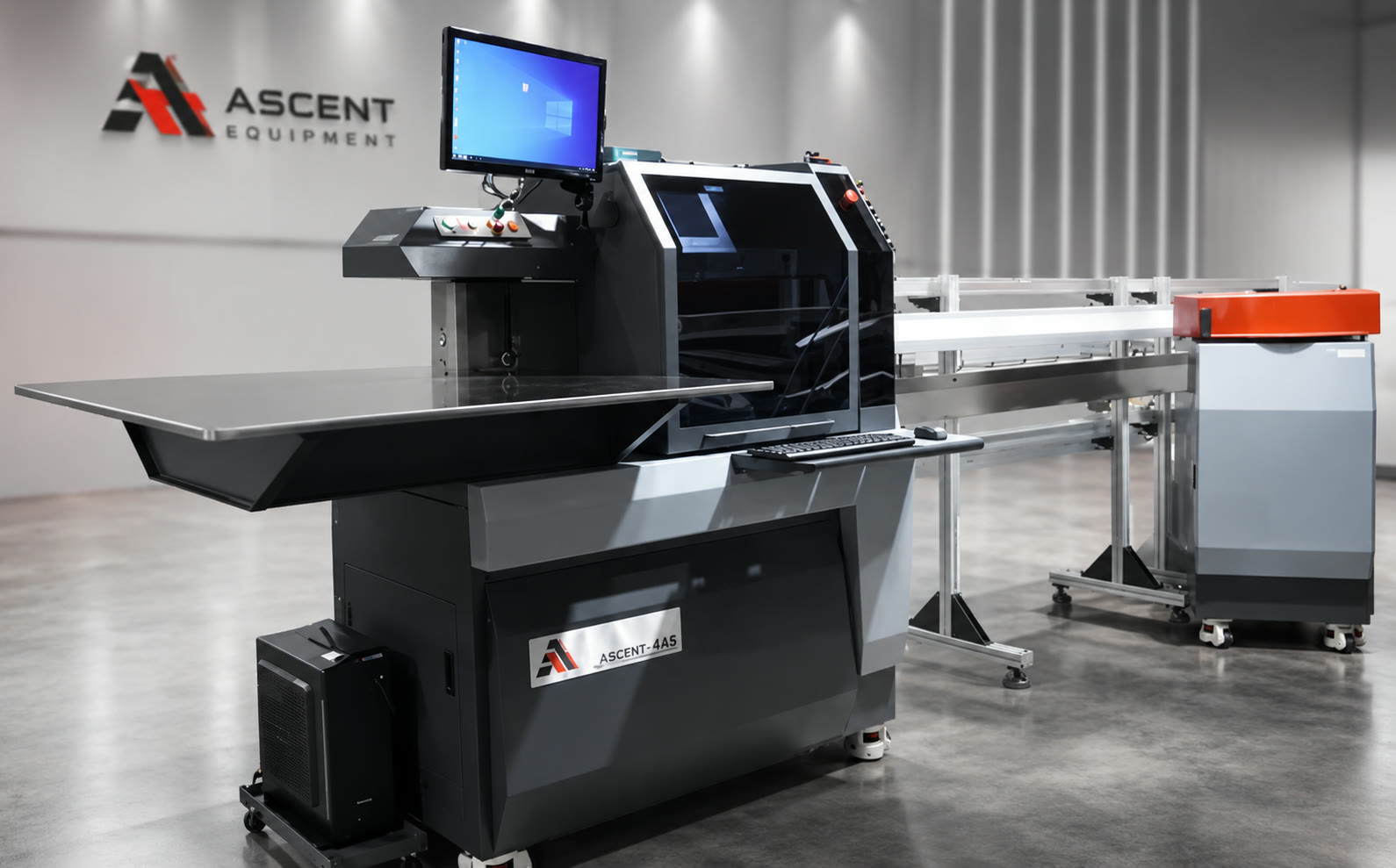
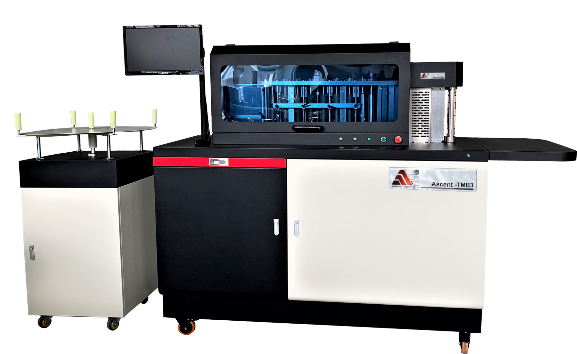
Automatic CNC channel letter bending machines are designed for

Enhanced Efficiency: The equipment is designed to optimize workflows, reduce downtime, and increase overall operational efficiency.

Cutting-Edge Technology: Stay at the forefront of your industry with our state-of-the-art technology, ensuring you have the latest and most  advanced equipment.

Reliability: The equipment needs to be durable and reliable, providing peace of mind and minimizing maintenance costs.

Custom Solutions: The supplier must offer installation and specific training at your location.

Cost Savings: Investing in our equipment translates to long-term cost savings through improved efficiency, reduced maintenance costs, increased productivity, and the ability to utilize relatively low-skilled operators.

Support: Long-term support through local technicians.

Factors to Consider When Choosing an Automatic Channel Letter Bending Machine

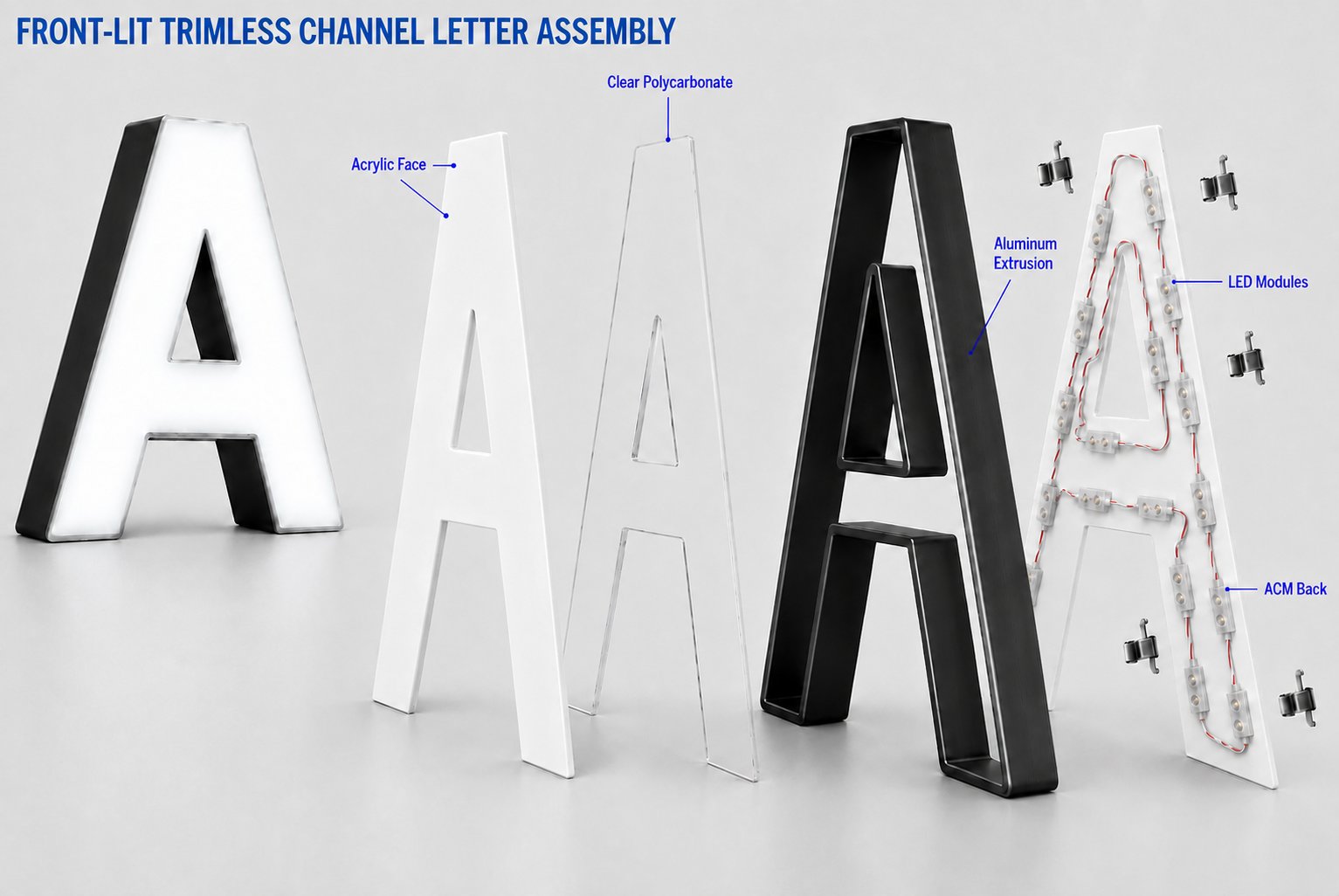
The type of letters

  • Channel letters without trim
  • Reverse/halo
  • Flanging with trim cup
  • Epoxy
  • Plastic side returns.

Letter size

- From 3" up to large sizes for indoor and outdoor.

Material Compatibility

  • The bending machine needs to be compatible with:
  • Aluminum coils with material thicknesses of 0.040" and 0.063" and height up to 7".
  • Stainless steel.
  • Galvanized steel.

Ease of Use and Programming

  • The machine software must be compatible with DXF and AI without reprogramming.
  • Easy to use, setup software-driven.

Production Speed and Capacity:
Consider your production volume and deadlines. Look for a machine with sufficient production speed and capacity to meet your business demands. Opting for a machine with high-speed capabilities can significantly increase your overall productivity.

The Importance of Precision and Accuracy

Channel letters reflect your business's professionalism and attention to detail. Therefore, it is vital to select a channel letter bending machine that ensures precision and accuracy in the formation of letters. Look for machines with advanced technology, such as servo motors and optical sensors, contributing to precise bending angles and consistent results. 
Conclusion

Choosing the right automatic channel letter bending machine is a crucial decision that can significantly impact the success of your signage business. By considering factors such as letter size and thickness, material compatibility, ease of use, production speed and capacity, versatility, precision, and ROI, you can make an informed decision that aligns with your specific needs and requirements. Investing in a high-quality machine will not only enhance the efficiency and productivity of your business but also contribute to the overall professionalism and quality of your channel letters. See how we can help you pick the right machine for your business.

← All articles
More from Ascent

Related articles

How to Set Up a Laser Welding Workstation: Table, Fixturing, Ventilation, and Safety Zone
A practical setup guide for handheld fiber laser welding stations — table height, fixturing essentials, fume extraction placement, safety zone layout, cable management, and what to have within arm's reach before the first arc.
How to Train a Channel Letter Fabricator: Who to Hire, What to Train, and How Long It Takes
Labor is the #1 cost in channel letter production. A practical guide to hiring the right person, what skills to expect on day one versus what to build, and realistic timelines for reaching production speed on each machine in the channel letter workflow.
Laser Welder Fit-Up and Gap Control: Why Gaps Are a Safety Problem, Not Just a Quality Problem
A gap between two parts being laser welded is not just a weld defect waiting to happen — it is a beam transmission hazard. Here is how to achieve proper fit-up, fixture parts correctly, and protect against the gaps that still slip through.
Materials That Block a 1070nm Fiber Laser Beam: What Works, What Doesn't, and Why
Not every material stops a fiber laser beam. This reference guide covers which flexible and rigid materials absorb or reflect 1070nm energy, how to use them in a welding setup, and what the commercial laser safety products are actually made of.
Laser Welder vs. MIG and TIG: How to Convince an Experienced Welder (and Address the Safety Concerns)
An experienced MIG or TIG welder's skepticism about switching to laser is rational. Here is how to address it honestly — the performance comparison across aluminum gauges, the real safety risks, and how to close the conversation.
How to Make a Channel Letter — The Ascent Way with TMB3
A step-by-step walkthrough of building a channel letter using the Ascent CNC Router, TMB3 bending and trim machine, and Ascent Stapler — including how the TMB3 converts flat aluminum coil into trim cap automatically, saving 20–50% on material cost.
How to Make a Channel Letter — The Ascent Way with EDGE3
A complete step-by-step walkthrough of building a channel letter from design to delivery using the Ascent CNC Router, EDGE-3 bending machine, and Ascent Stapler — faster, more accurate, and more profitable than hand methods.
Making Aluminum Trim with the TMB3 — Better Than Plastic, Cheaper Per Foot, and Glues the Same Way
How the Ascent TMB3 converts flat aluminum coil into finished trim cap on demand — why aluminum outlasts plastic, how the PVC-coated coil lets you use standard contact cement, and what the cost savings look like in practice.
Buying Ascent Equipment: Purchase Outright, Finance, and Use IRS Section 179
For most sign companies, the decision isn't whether to buy equipment — it's how to pay for it. A practical guide to purchasing outright vs. financing, cash flow comparisons, and how IRS Section 179 can reduce your tax burden whether you pay cash or finance.
What Sign Manufacturers Are Buying in 2026 — and Why Ascent Has the Answer
The sign industry's equipment buying decisions in 2026 are driven by labor shortages and profitability — not equipment age. Here's who is actively buying, what problem they're solving, and why Ascent Equipment is positioned to solve all of it from one source.
Laser Cutter Consumables: What to Stock for Your CO₂ and Fiber System
A practical guide to consumables, replacement schedules, and spare parts for shops running a dual-gantry CO₂ and fiber laser cutter — so downtime never catches you off guard.
Laser Safety for Industrial Laser Cutters: What U.S. Operators Need to Know
A practical guide to OSHA, FDA, and ANSI laser safety requirements for shops running industrial CO₂ and fiber laser cutting systems — covering engineering controls, PPE, ventilation, and daily checklists.
Safety Considerations for the Ascent QCW Laser Welder
A complete safety guide for the Ascent QCW fiber laser welder — covering Class 4 laser requirements, eye protection, PPE, controlled areas, fume extraction, and daily inspection procedures.
How to Price Channel Letters in 2026 When Using Ascent Equipment
A practical pricing guide for channel letter fabricators — the inch rule, cost-plus method, how each Ascent machine (5AS, EDGE-3, TMB3, laser welder, laser cutter) changes your cost structure, and worked examples comparing five shop configurations.
Ascent 2000W Refrigeration Laser Welder vs. the Competition
A feature-by-feature comparison of the Ascent Equipment 2000W Refrigeration Handheld Fiber Laser Welder against leading competitors — cooling technology, duty cycle, operating costs, and what matters most for production shops.

Let Ascent Experts Assemble All the Pieces of The Equipment Puzzle for your Company

Contact us