
From the perspective of an automation engineer
Since 1982, we have been involved in the process of automation for various industries.
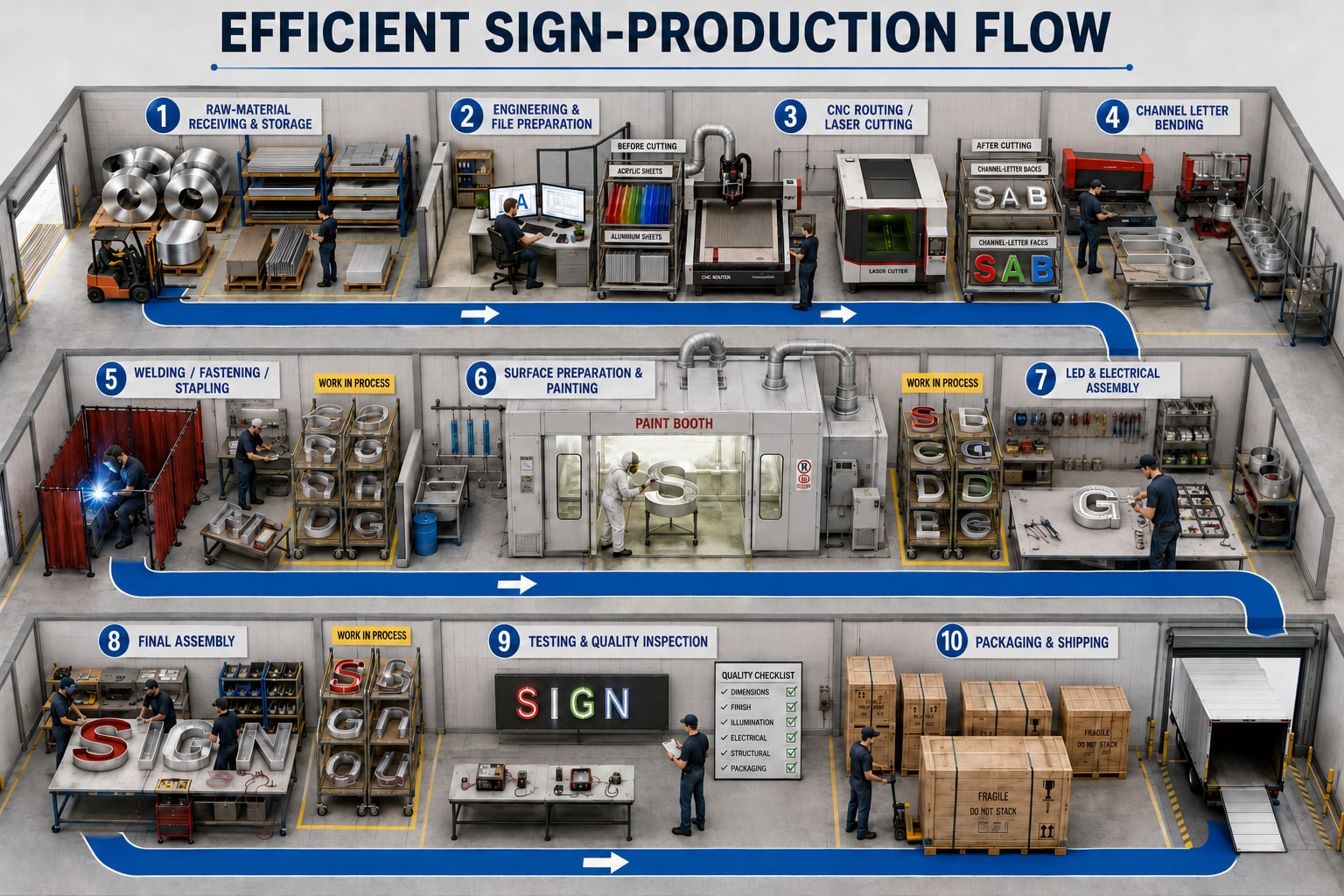
Ten years ago, we entered the sign industry with a focus on channel letter manufacturing and channel letter bending machines. We discovered early on that, although some progress had been made in automating the process, the manufacturing of channel letters and sign making equipment was still very labor-intensive.
We recognized the need for a series of equipment that would automate the entire process.
Most sign making equipment on the market was costly and somewhat limited to producing only one style of channel letters. Our focus was to design hi-tech machines that would change the way channel letters are made. The challenge was to do so without compromising performance or sacrificing quality, and we have done so at a price point that virtually every sign manufacturer can afford.
We don't believe in proprietary materials (it is equivalent to purchasing a new car and only being able to buy the gasoline from the car manufacturer). You can buy our UL extrusion from the manufacturer in large volumes, or from us.
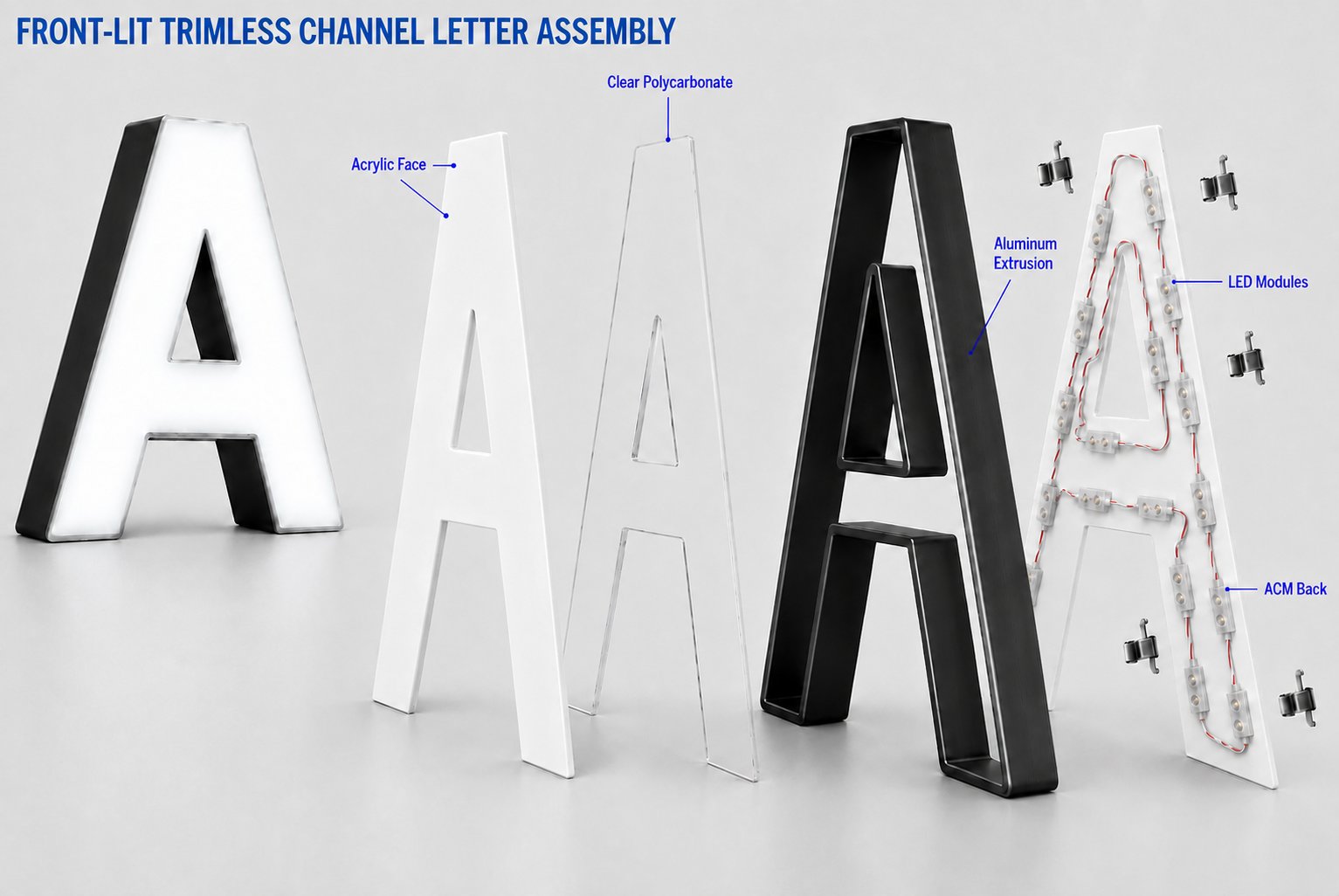
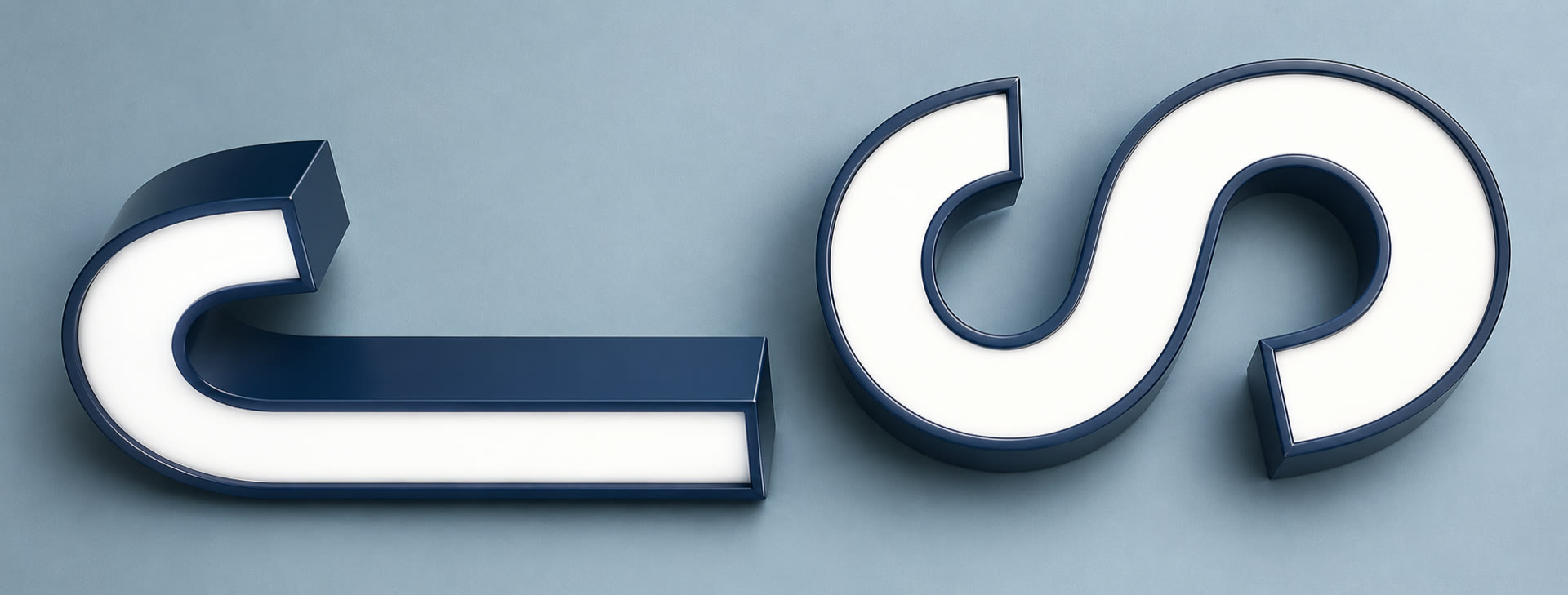
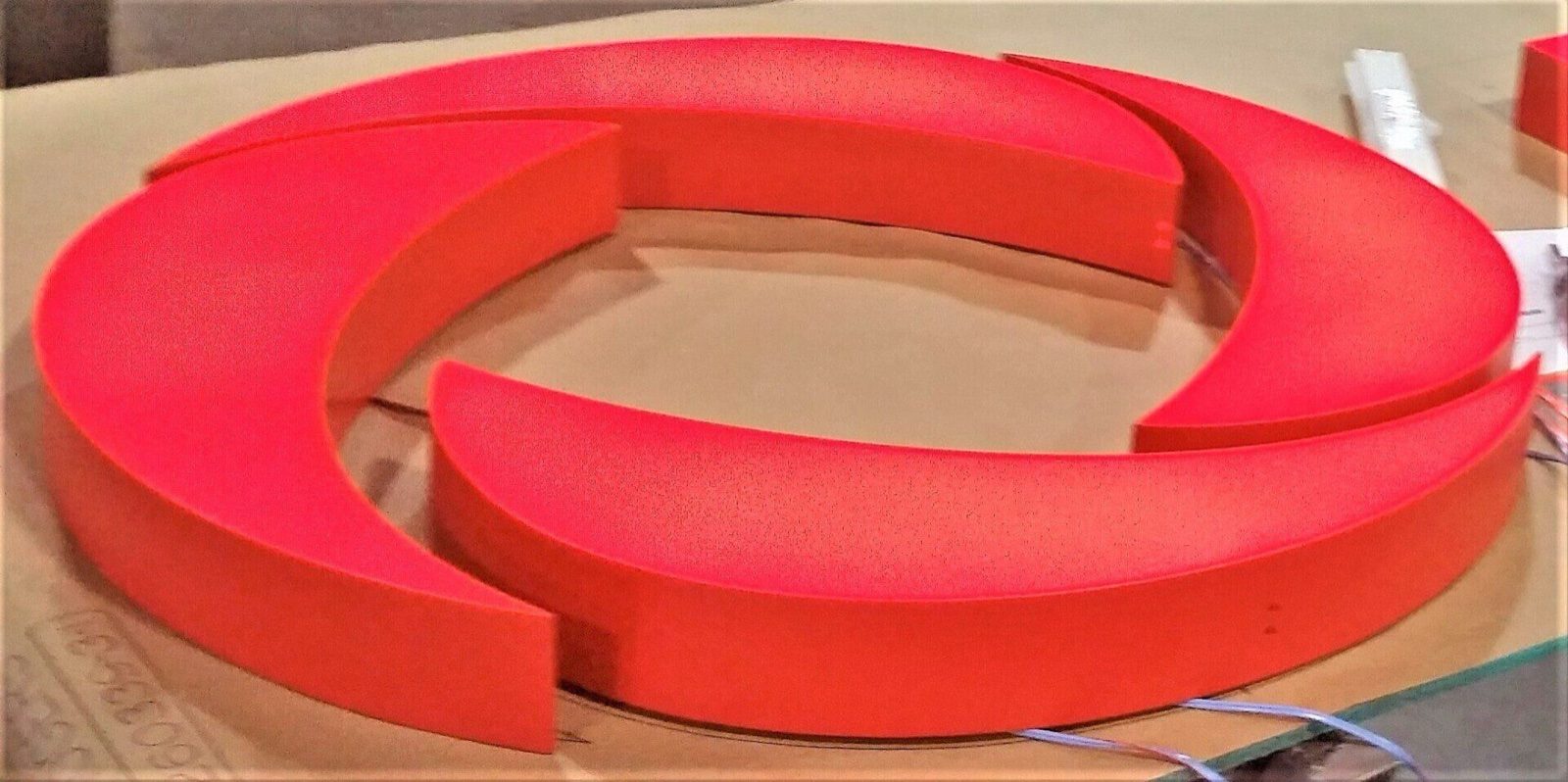
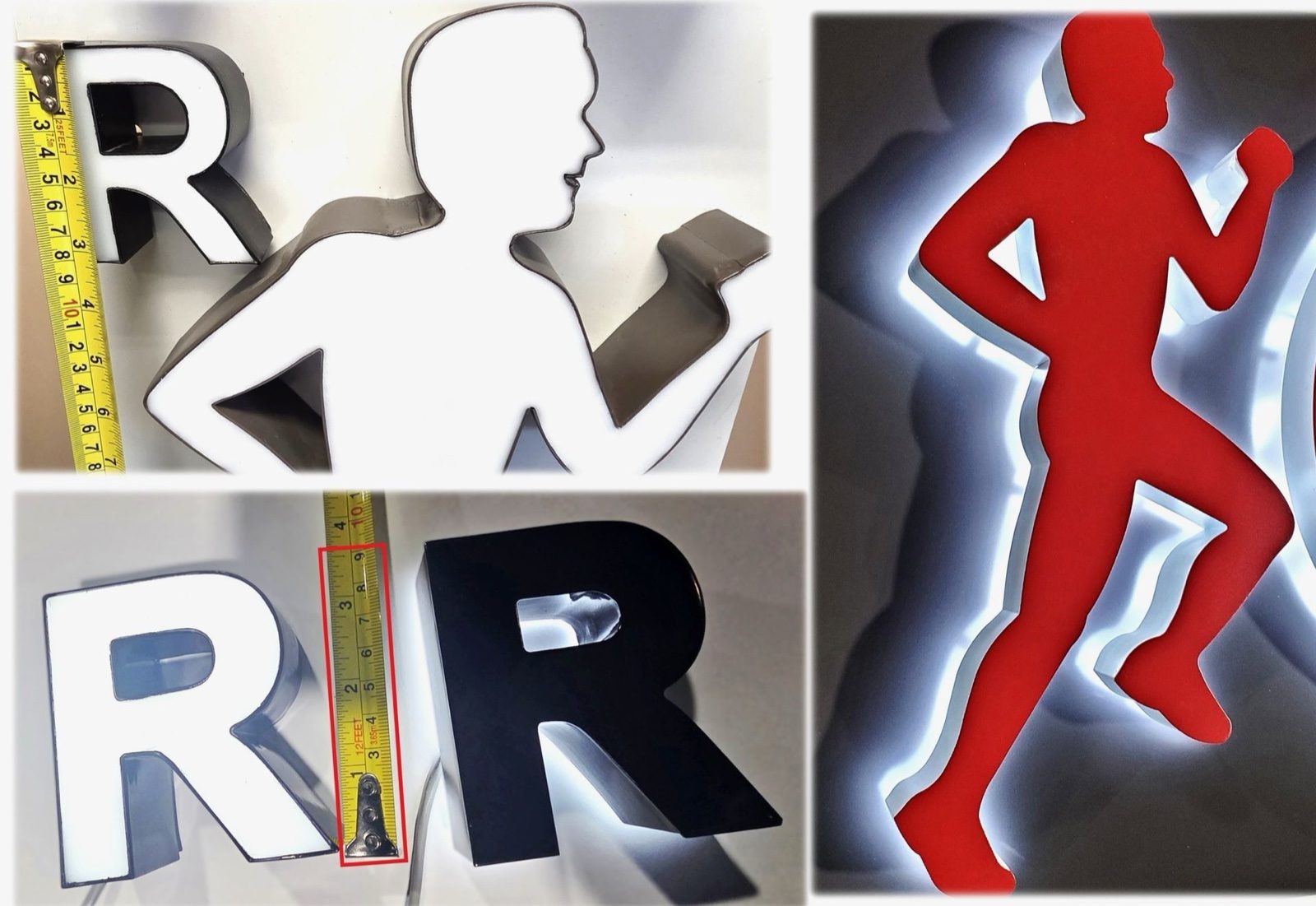
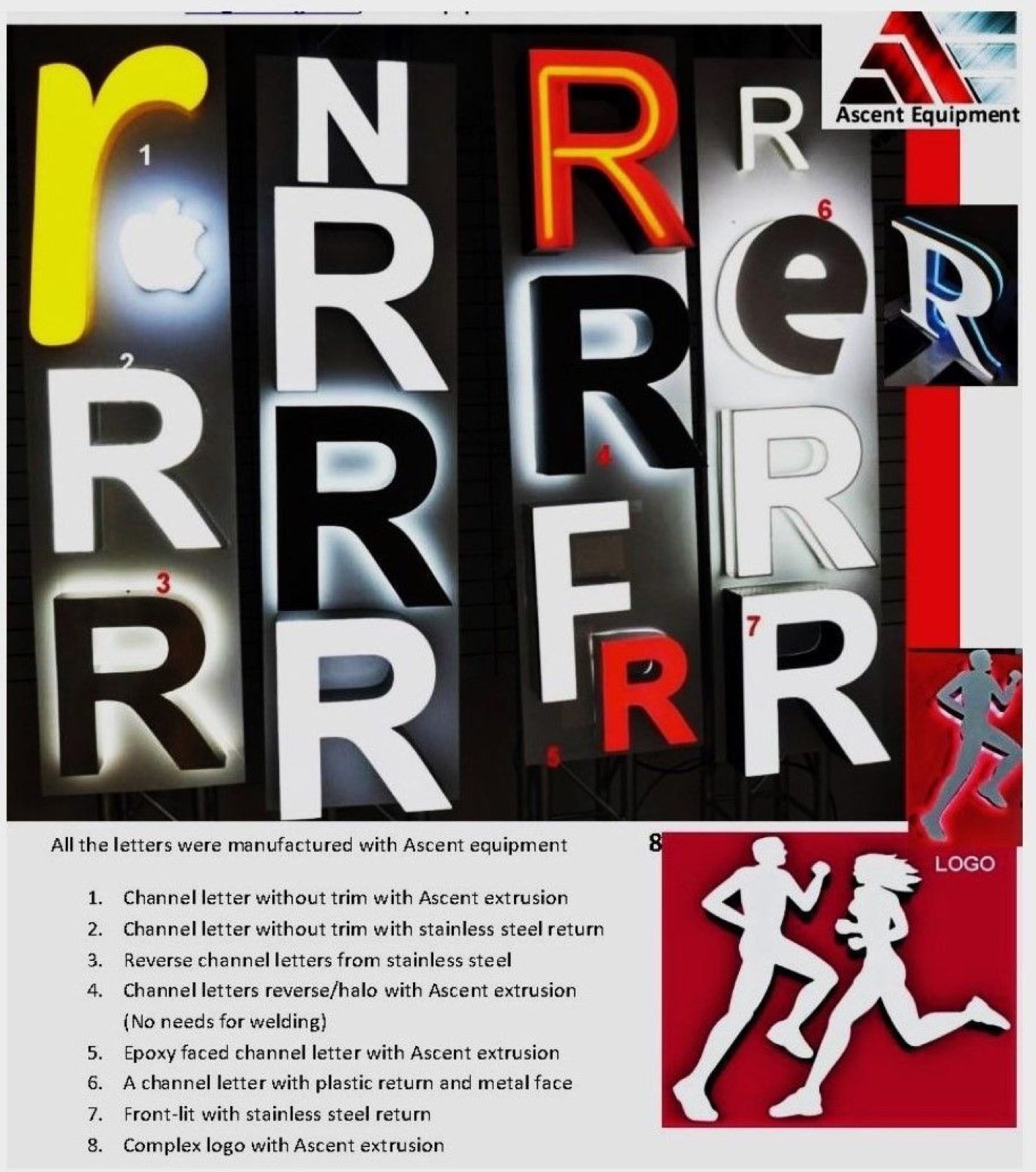
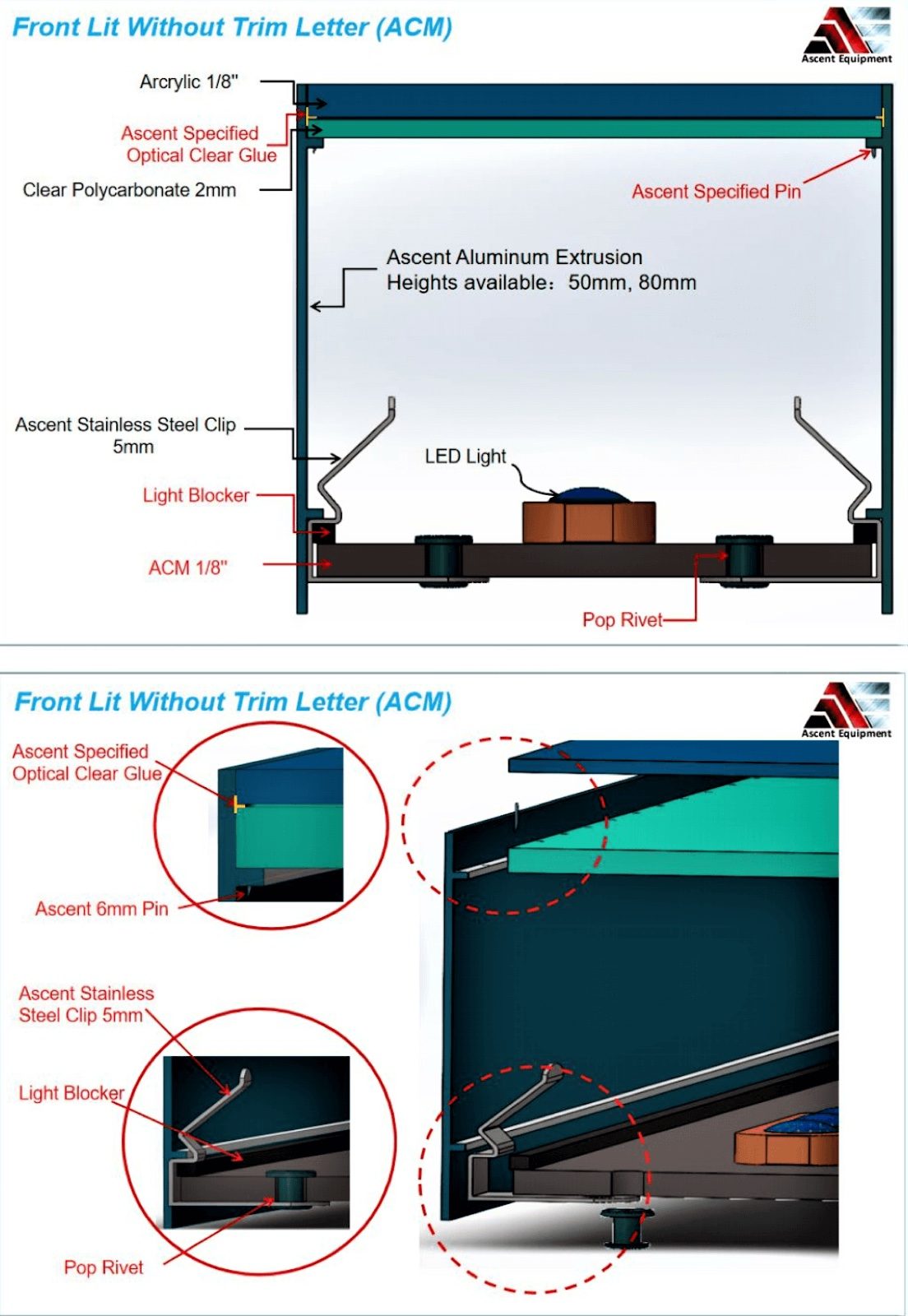
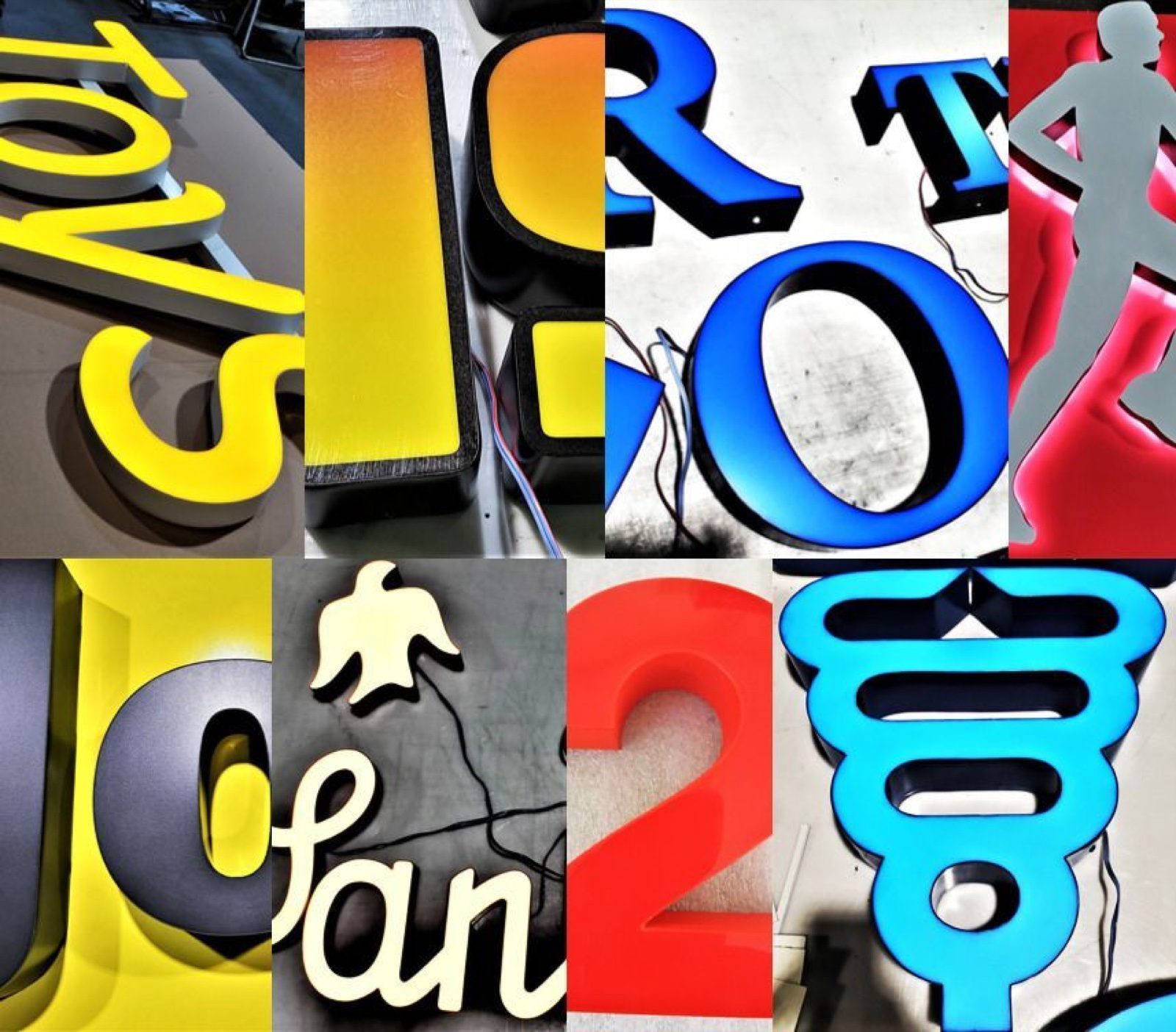
There are two types of channel letters. Conventional channel letters that utilize trim, and "new style" channel letters that do not require trim. Each of these styles consists of the following components: letter face (with or without trim), letter side returns, back, and lighting source (LED).
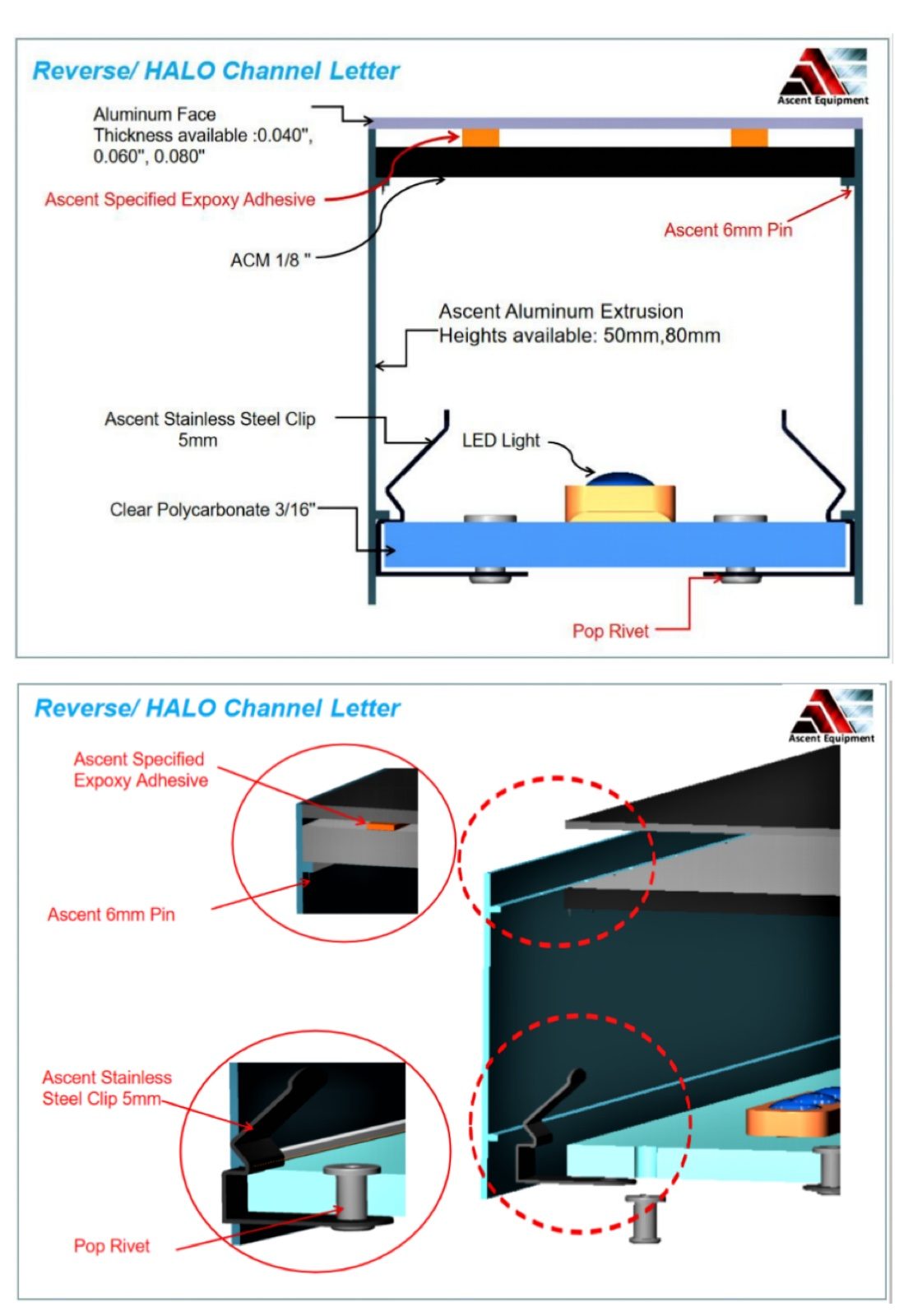
There is also reverse halo channel letters, traditionally done by welding the face to the return.
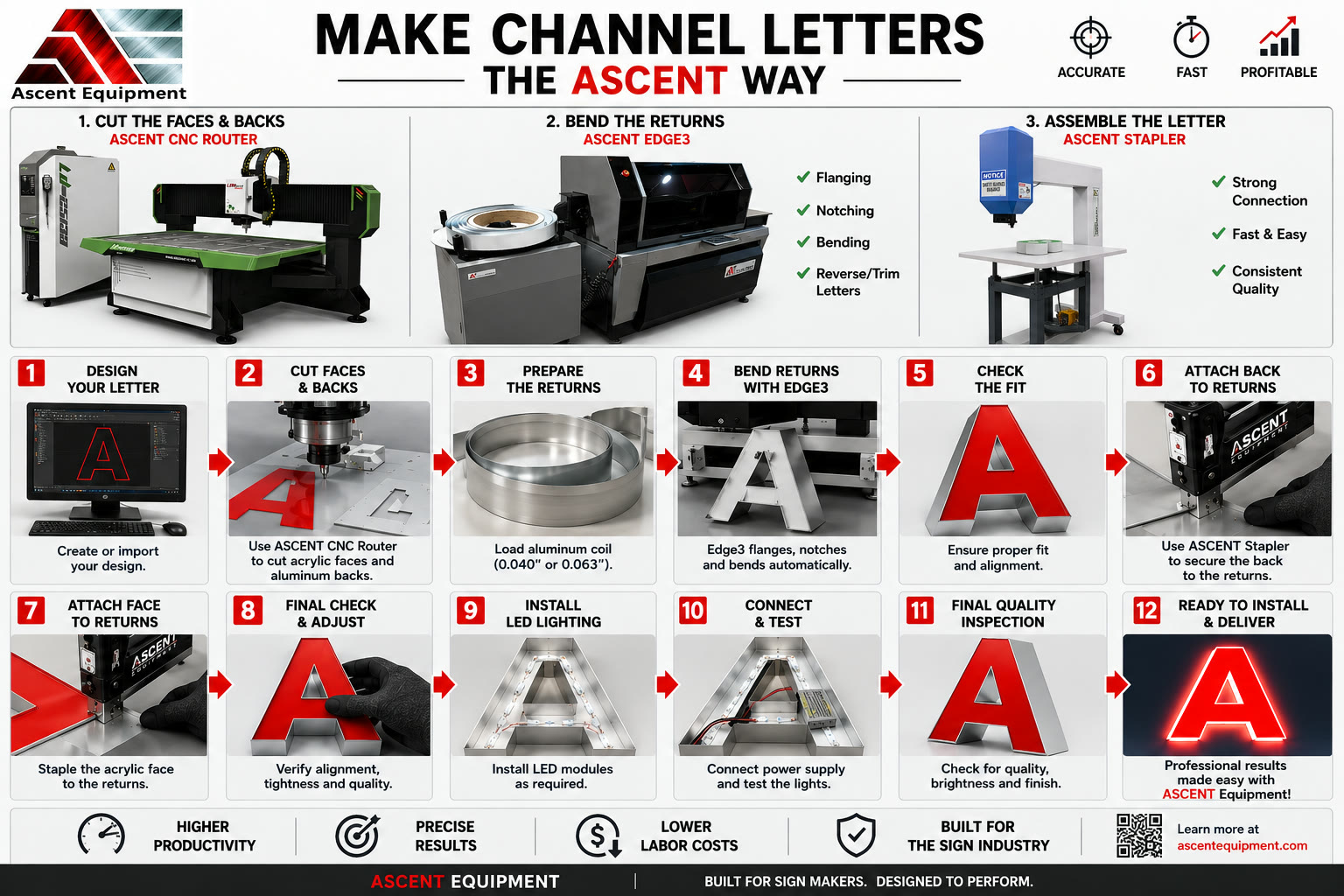
To automate channel letter returns, CNC channel letter bending machines are utilized.
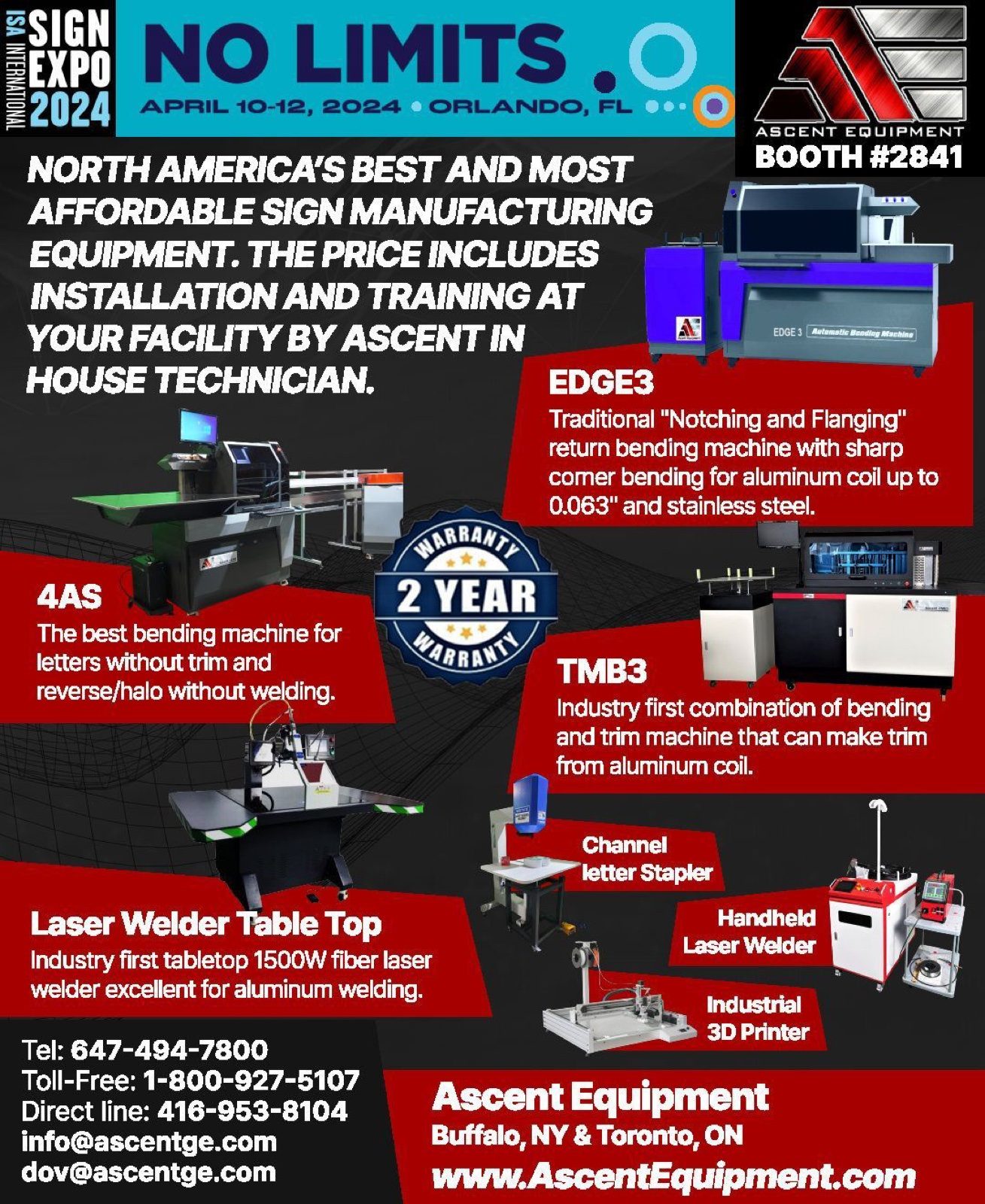
Traditional channel letter bending machines take flat aluminum coil and cut "notches" into the aluminum to create a flange. This allows for the bending of the aluminum into the shape of the letter, which is done either automatically or quite often manually (Ascent-Edge).
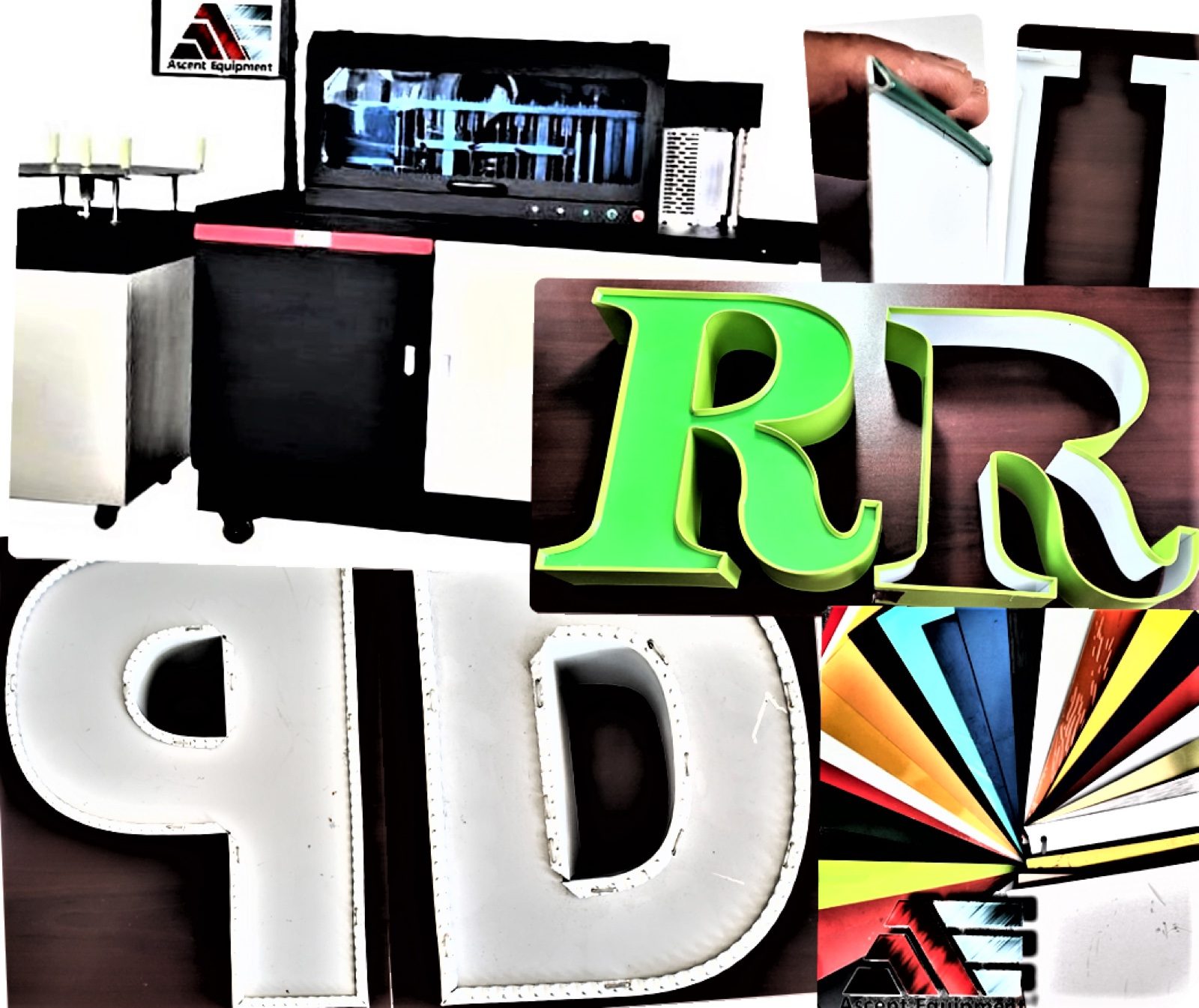
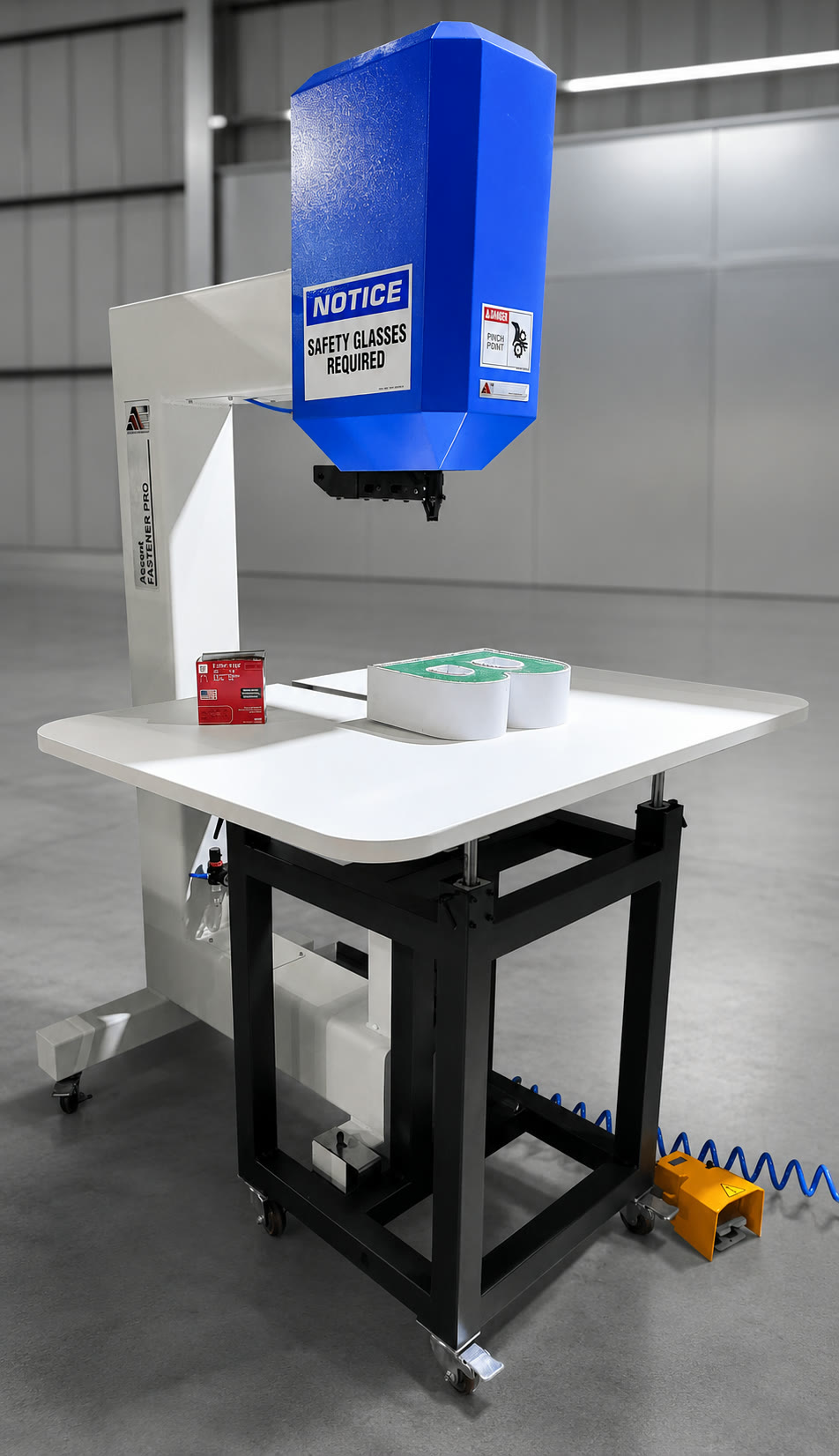
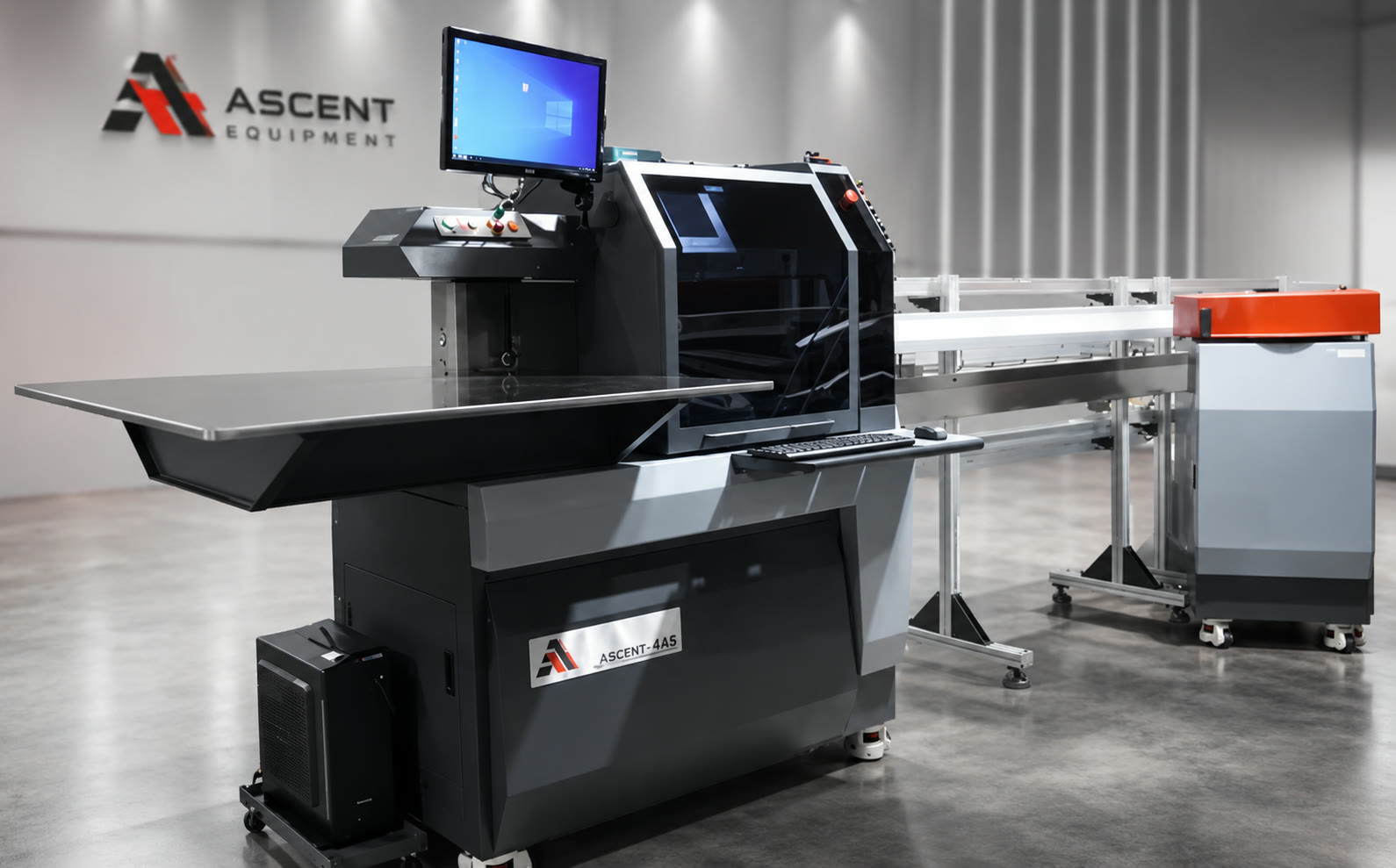
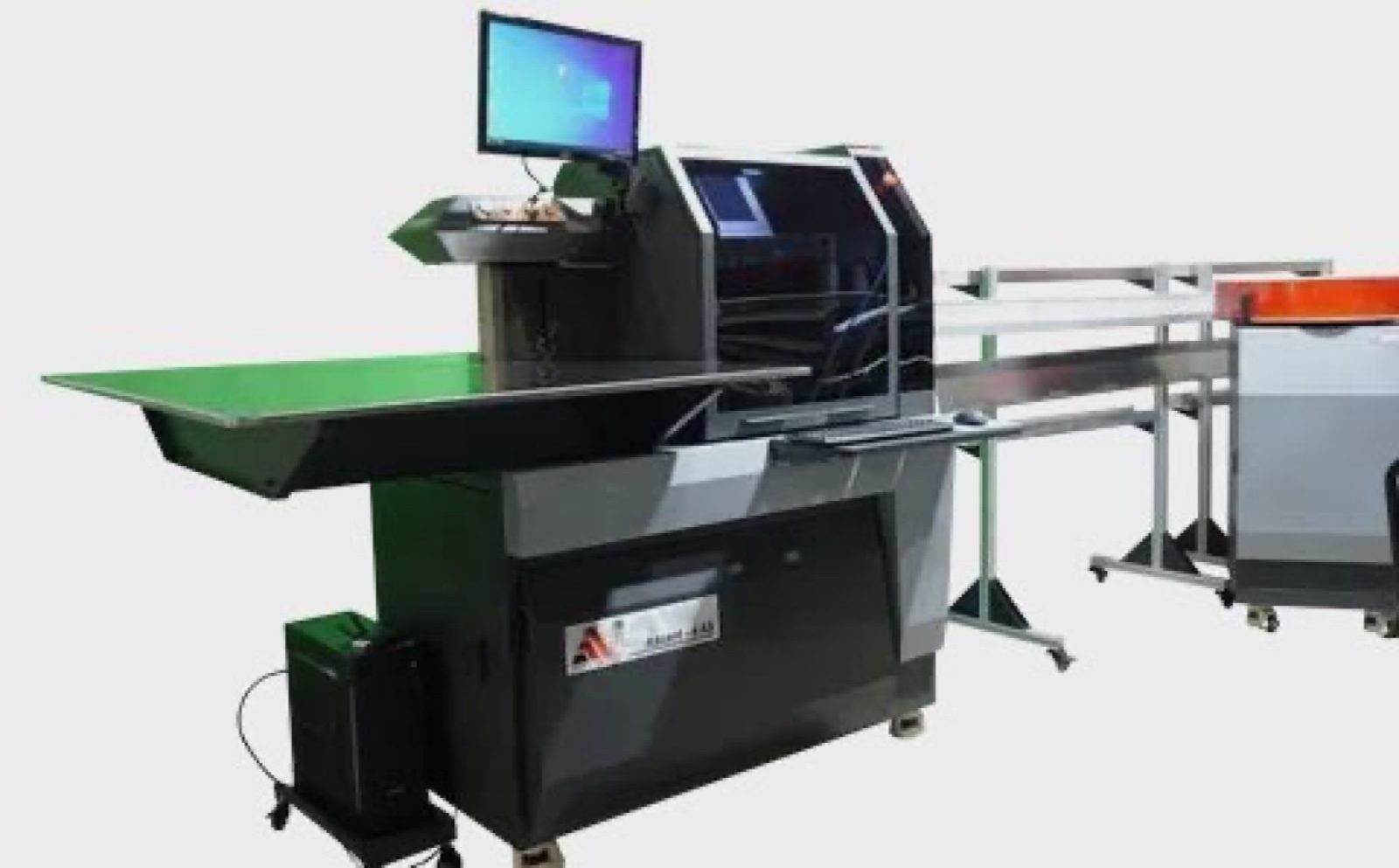
We took the approach of developing our CNC bending machine Ascent 4AS to create channel letter returns from aluminum profiles (a UL/RU Recognized Component for indoor and outdoor use) using our unique pneumatic mailer gun. This system enables us to produce style channel letters that do not require trim. We also make reverse halo letters (that do not require welding) and our newest technology of utilizing liquid polyurethane that replaces cut acrylic for the face. Furthermore, our system uses stainless steel clips to connect the back of the letter to the side returns. The result is a cleaner letter that is easier and faster to produce, with significantly reduced labor costs and easier installation.
Many of our customers asked us to automate the plastic channel letter returns process. We are pleased to announce that we have incorporated this technology into our latest CNC bending machines.
The bending machine can also produce returns from flat coil stainless steel, galvanized steel, brass and aluminum.
Creating the trimmed faces for the channel letter is most often done by hand out of extruded plastic.
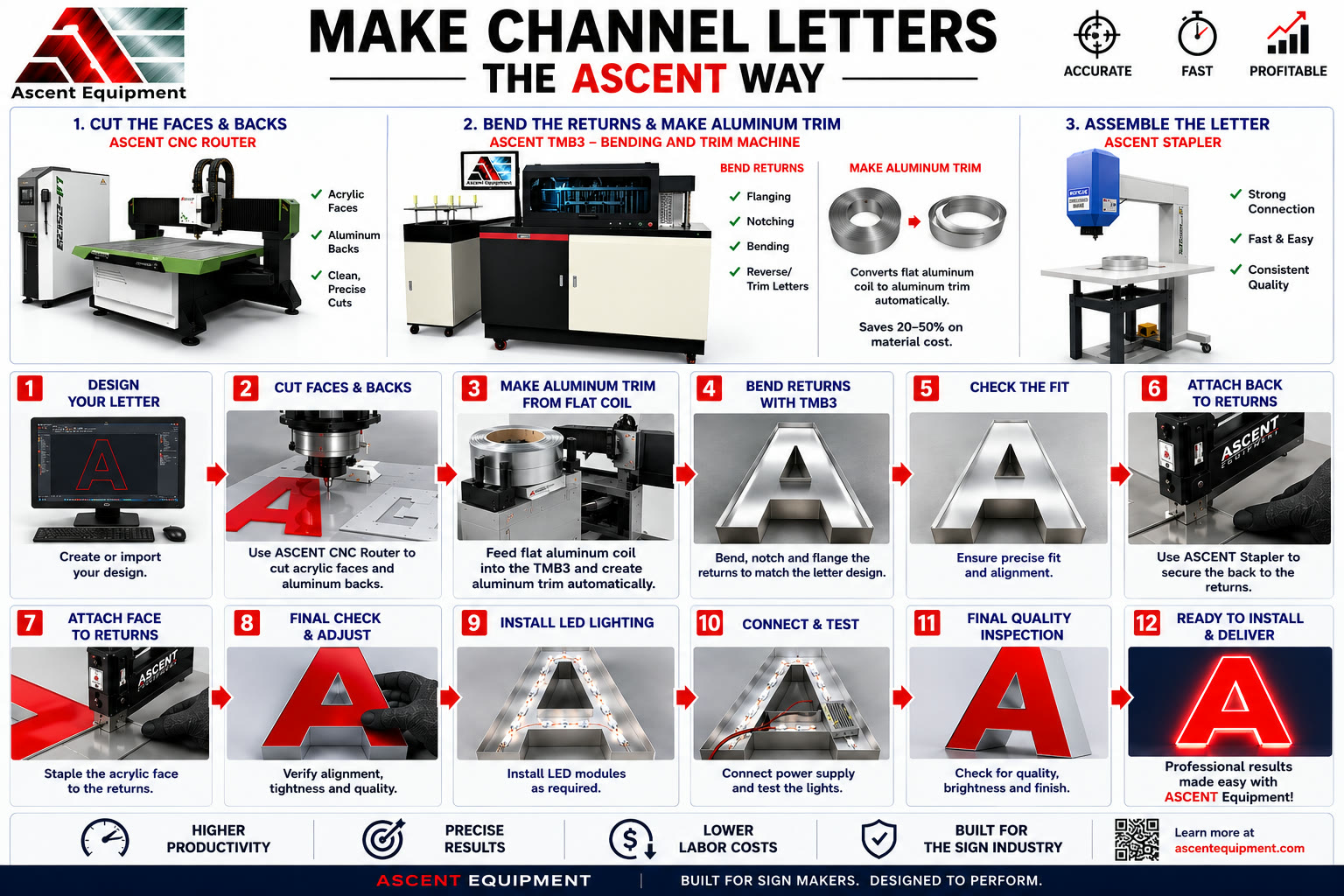
One of the most labor-intensive processes is shaping the letter and connecting the trim to the face for conventional channel letters. We saw the need to automate this stage of the channel letter process and developed the industry's first entire-cycle CNC trim machine, converting flat aluminum coil into trim and automatically forming it into the shape of the letter — with excellent repeatability and significantly reduced labor costs. Aluminum trim also won't crack or fade when exposed to UV, the way plastic trim can.
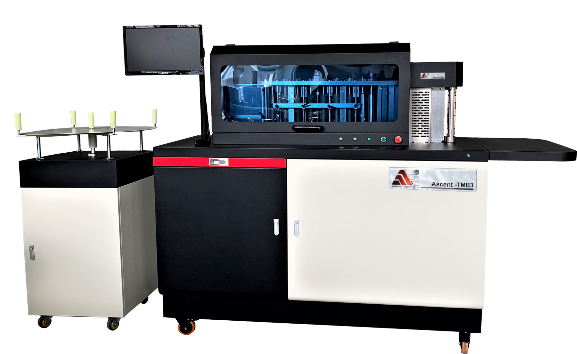
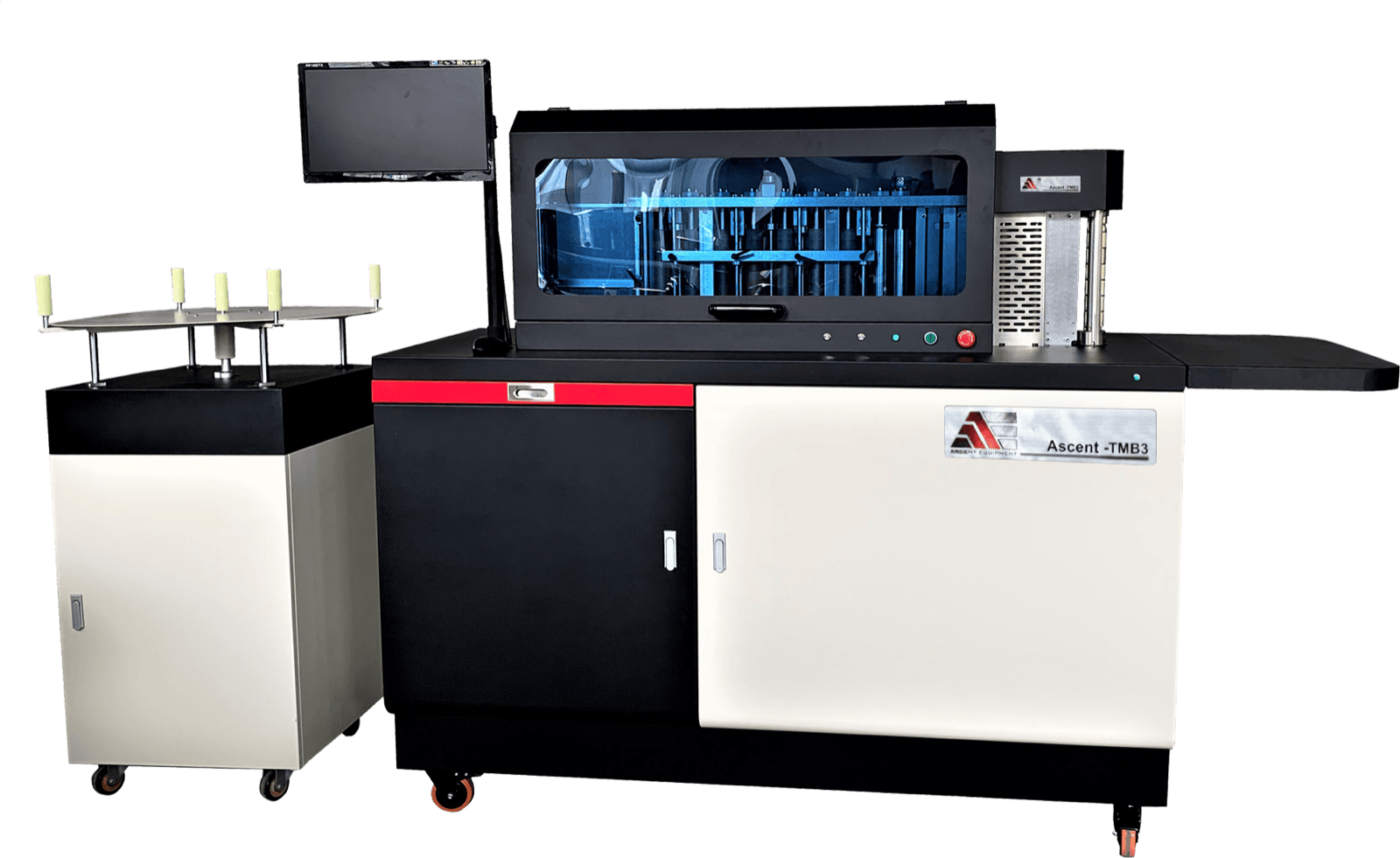
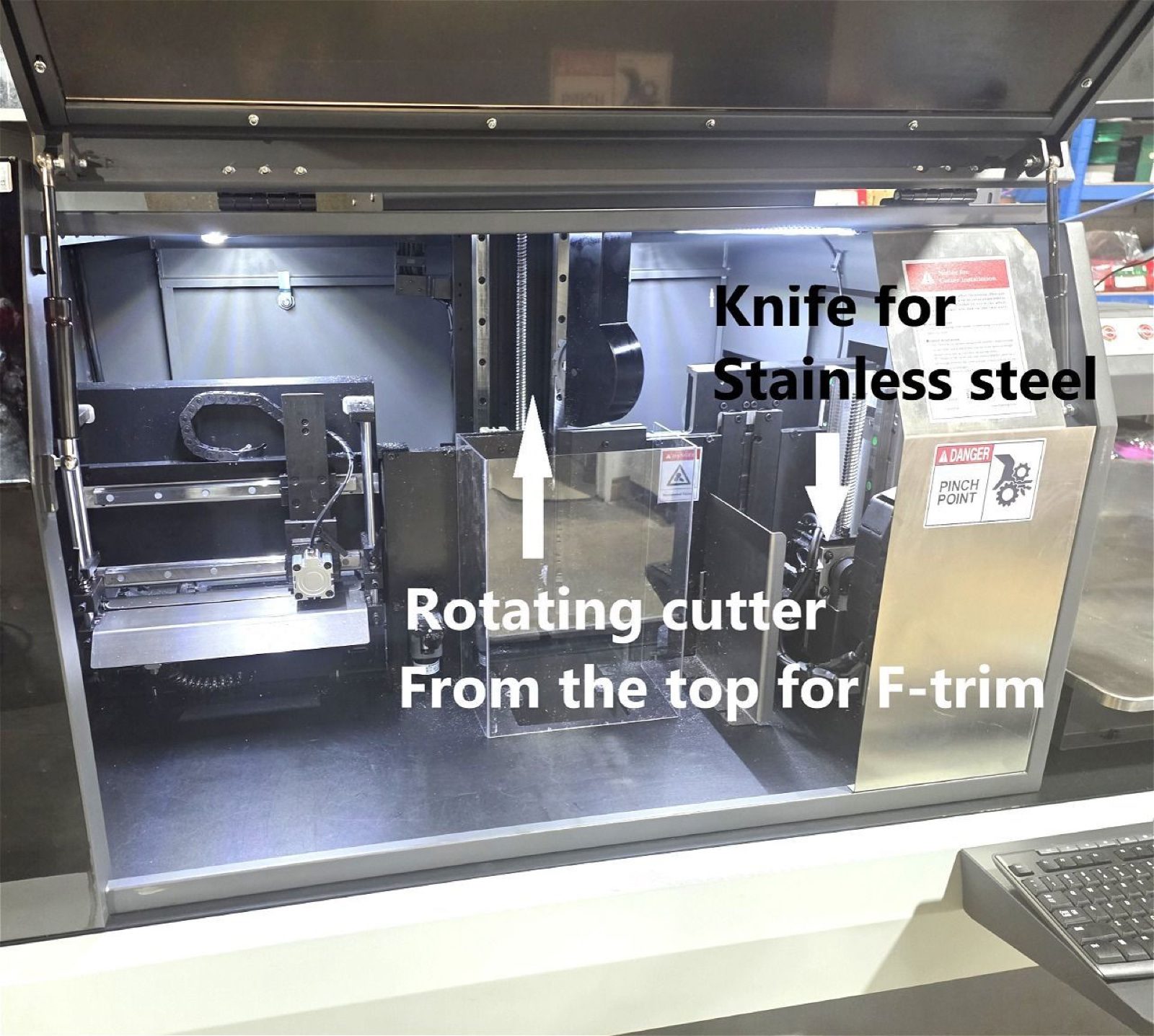
We've since built on that with the Ascent TMB-3, a CNC machine that bends the return and forms the aluminum trim in the same workflow, with the following functions:
- Using BEAD process to make channel letter side returns from 0.040" aluminum coil
- Processing all plastic trims
- Convert 1" flat aluminum coil to aluminum trim and make the shape of the letter
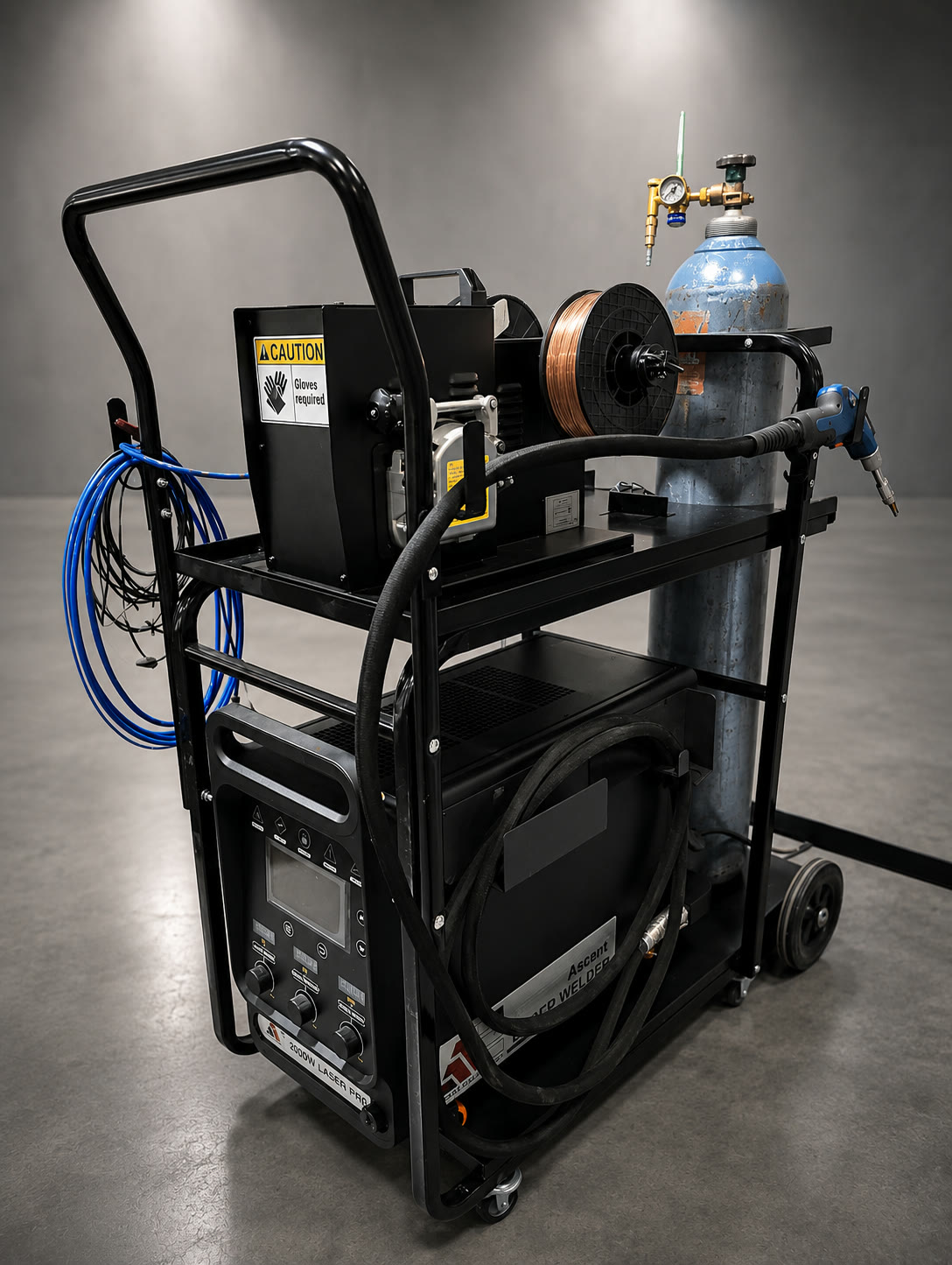
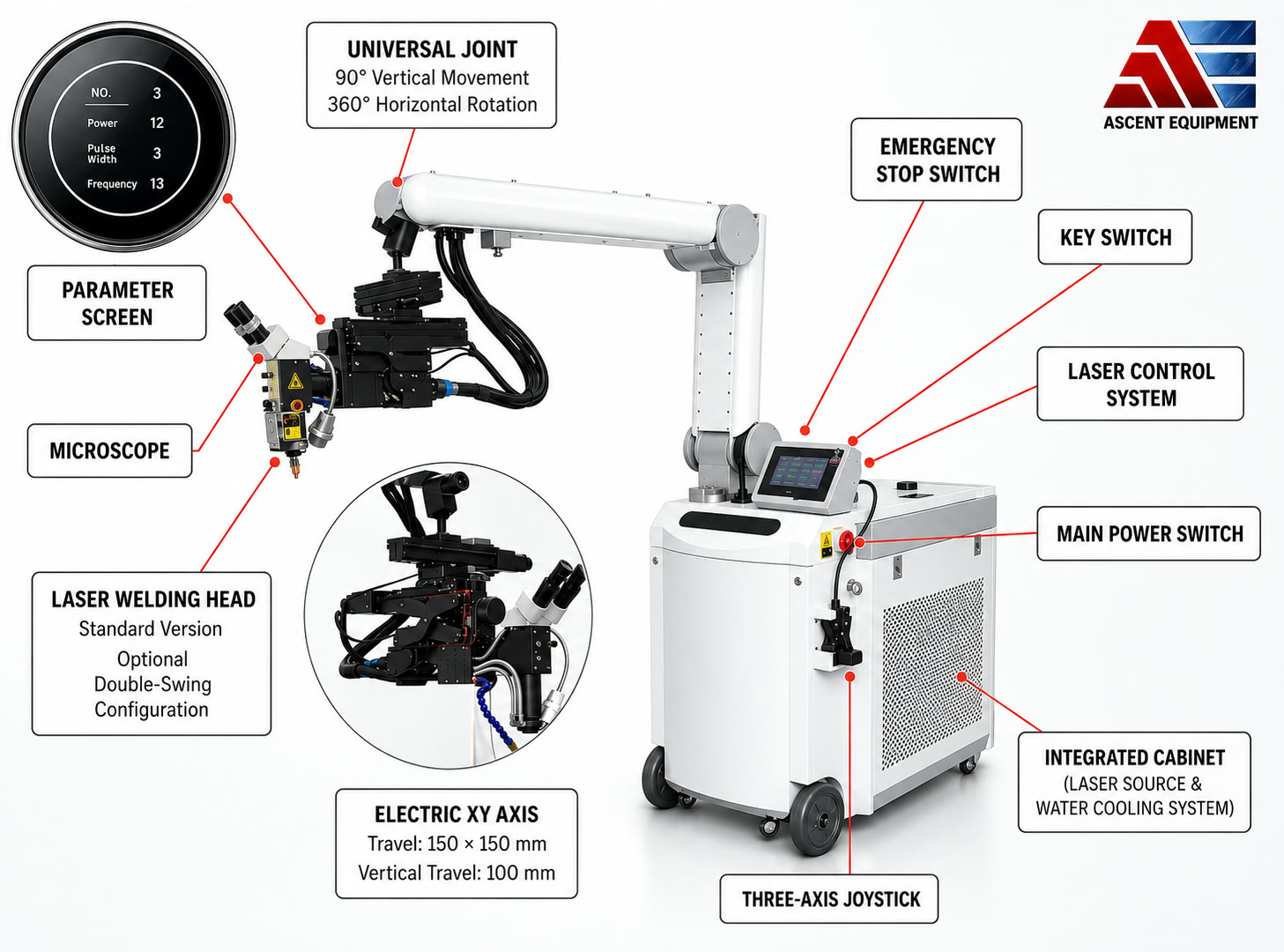
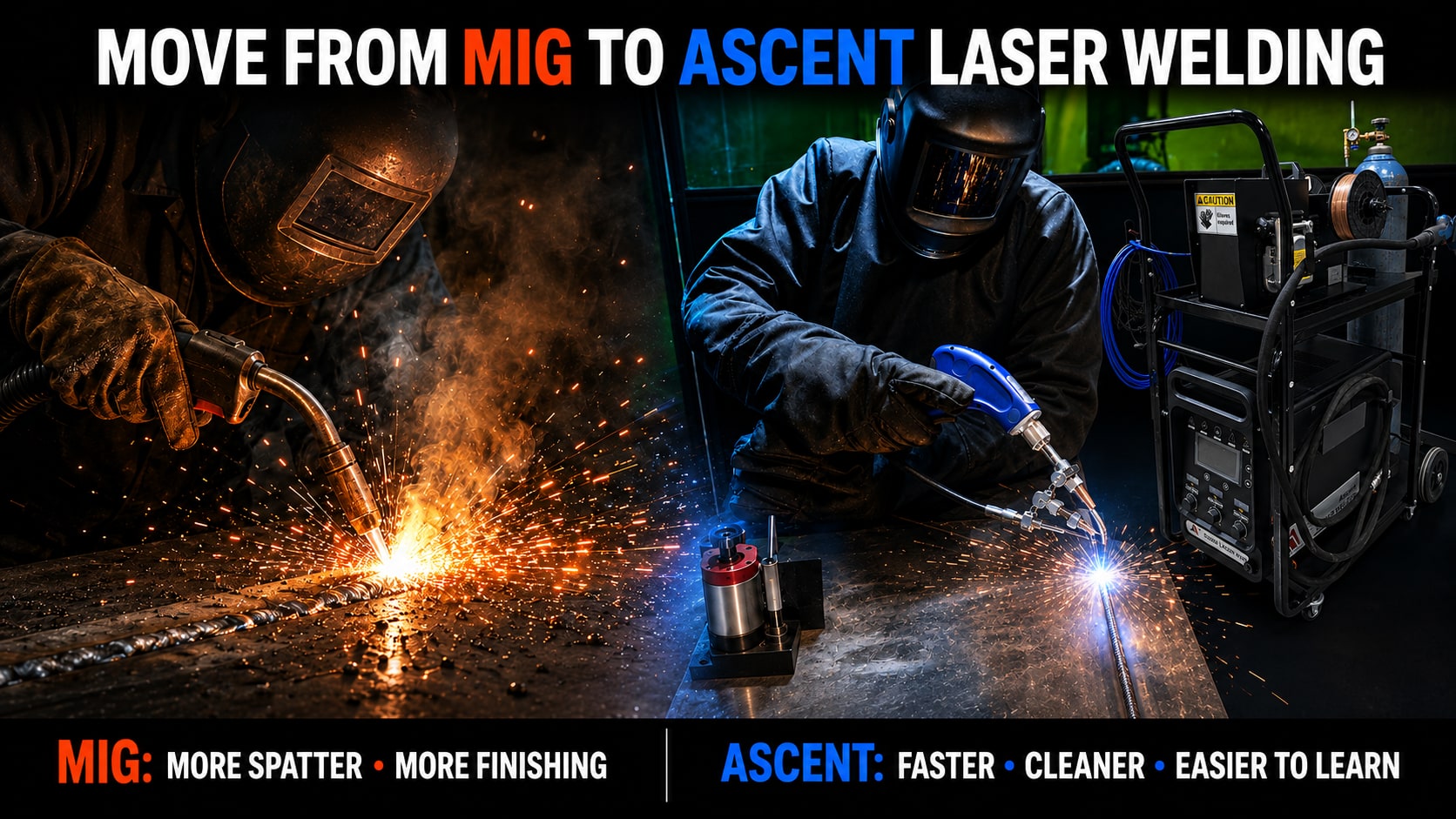
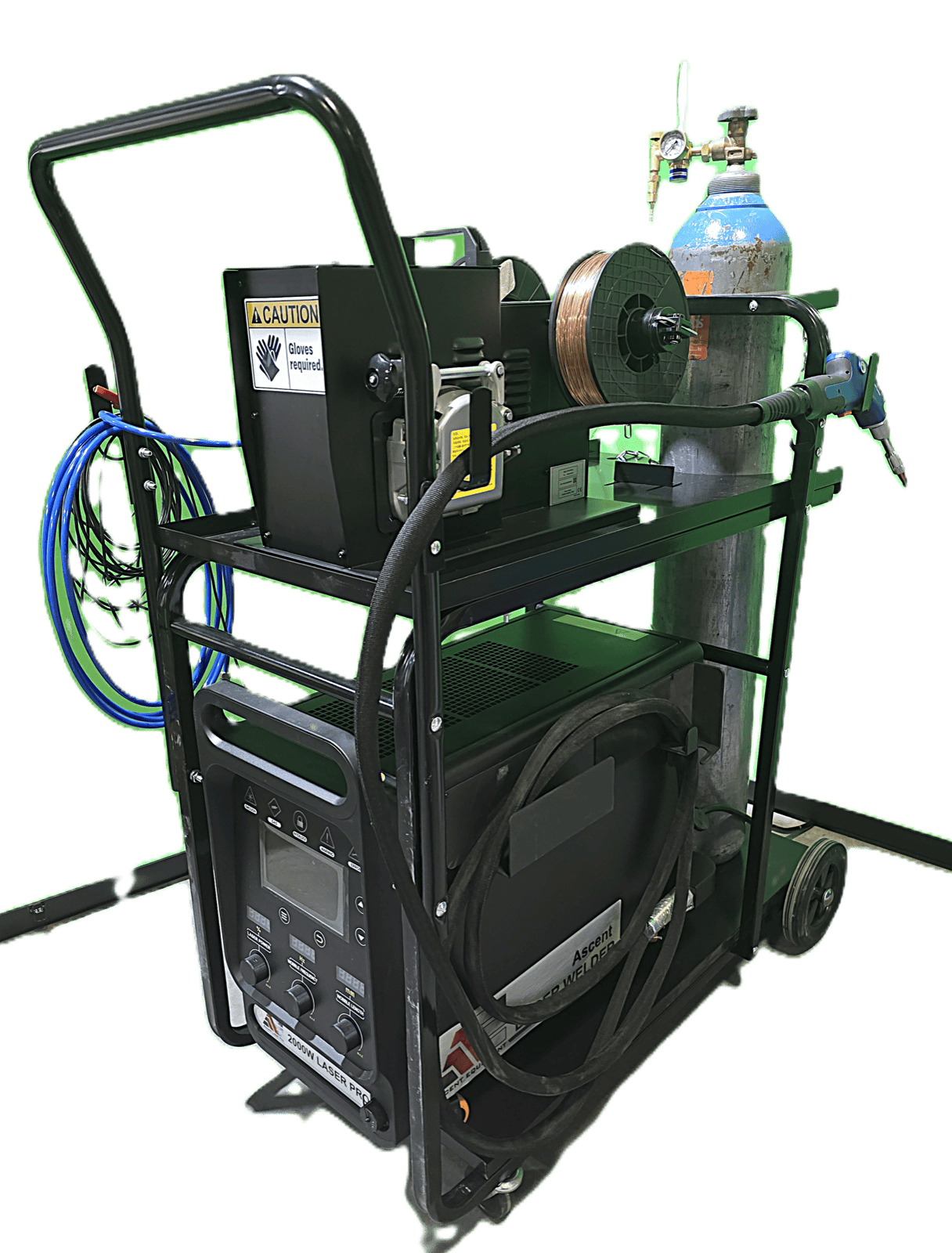
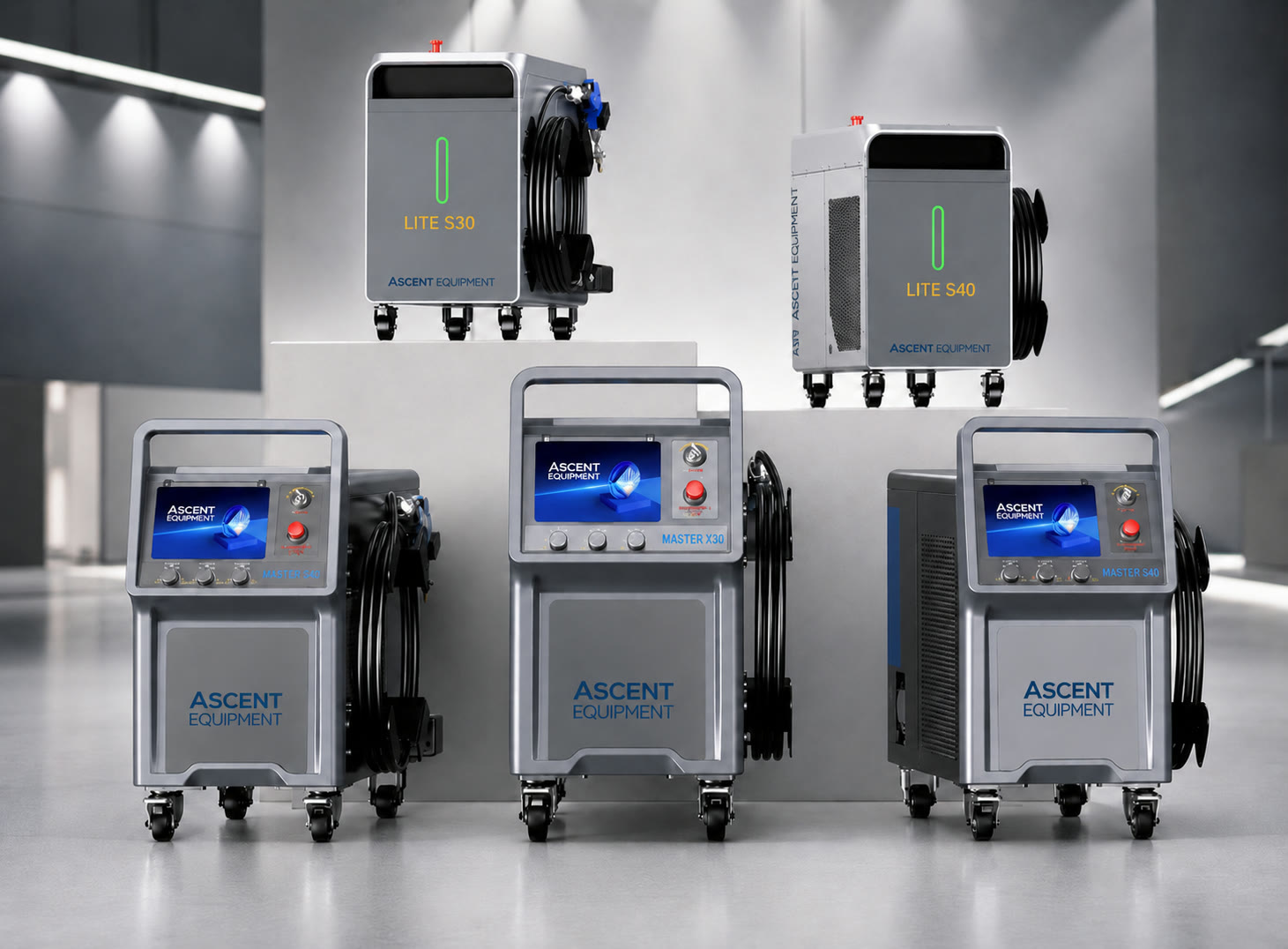
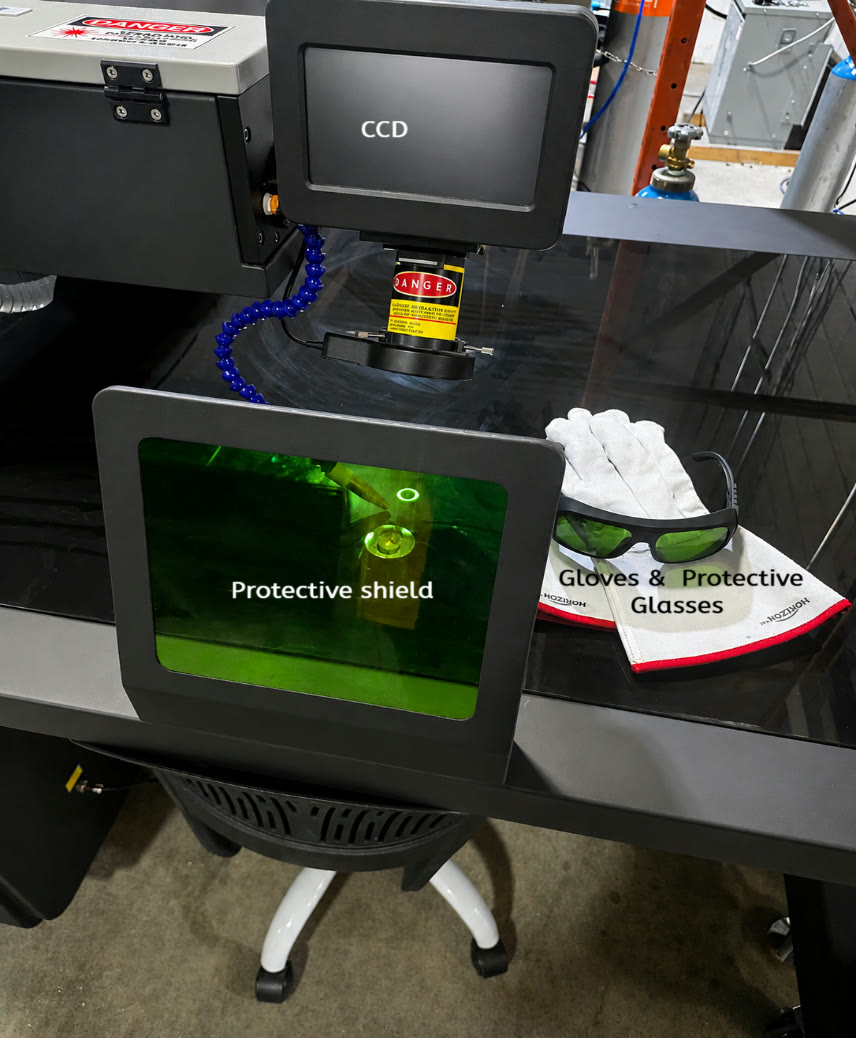
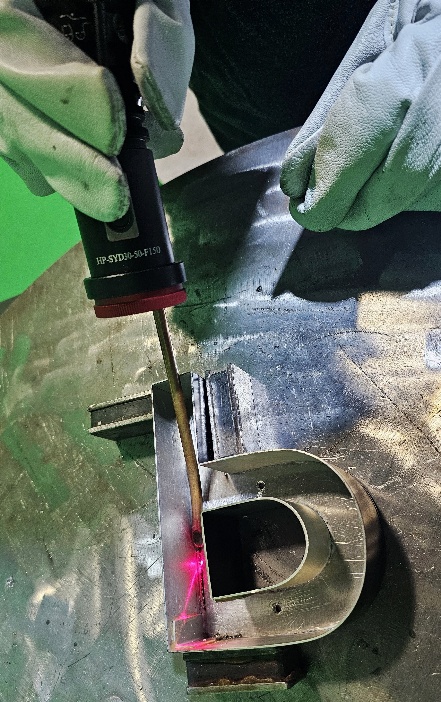
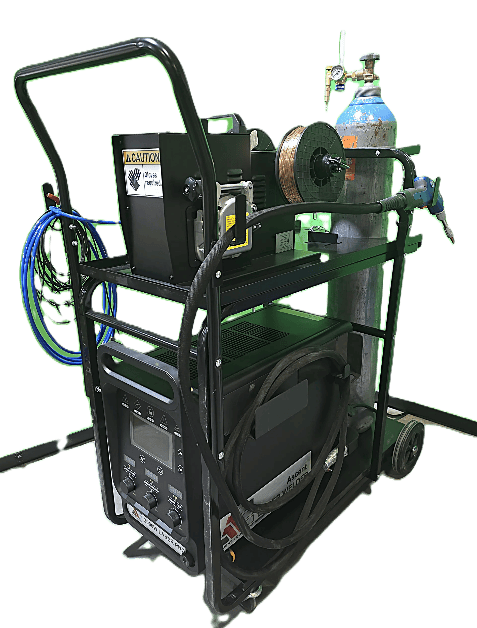
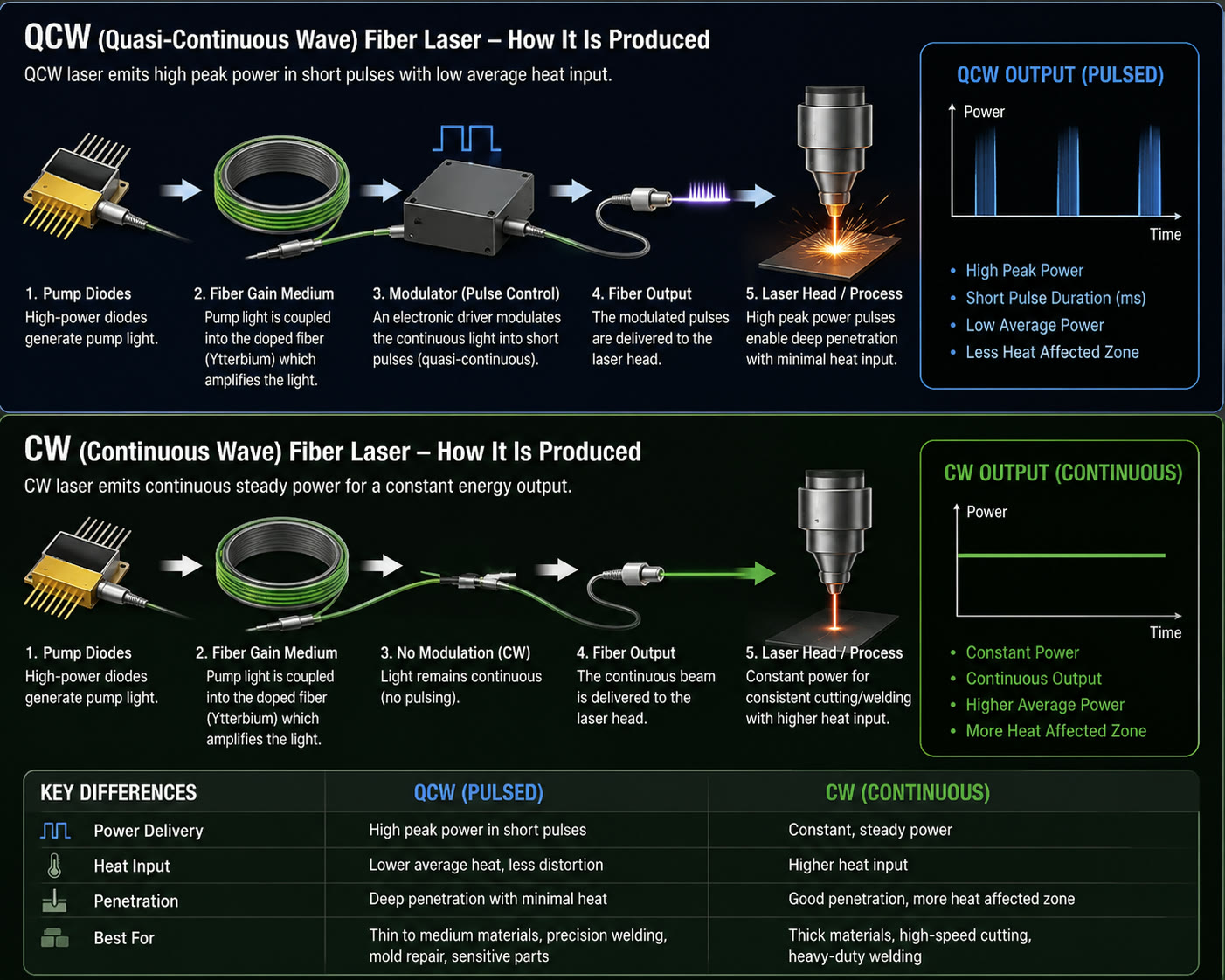
When it came to welding the channel letters, we saw a need for a laser welding machine capable of welding aluminum. For that reason we developed the industry's first YAG laser welder that welds aluminum. It is the only welder of its kind and the most versatile in welding aluminum, stainless steel, galvanized steel, copper, brass and titanium. We have since developed the new fiber laser welder that can replace traditional welding.
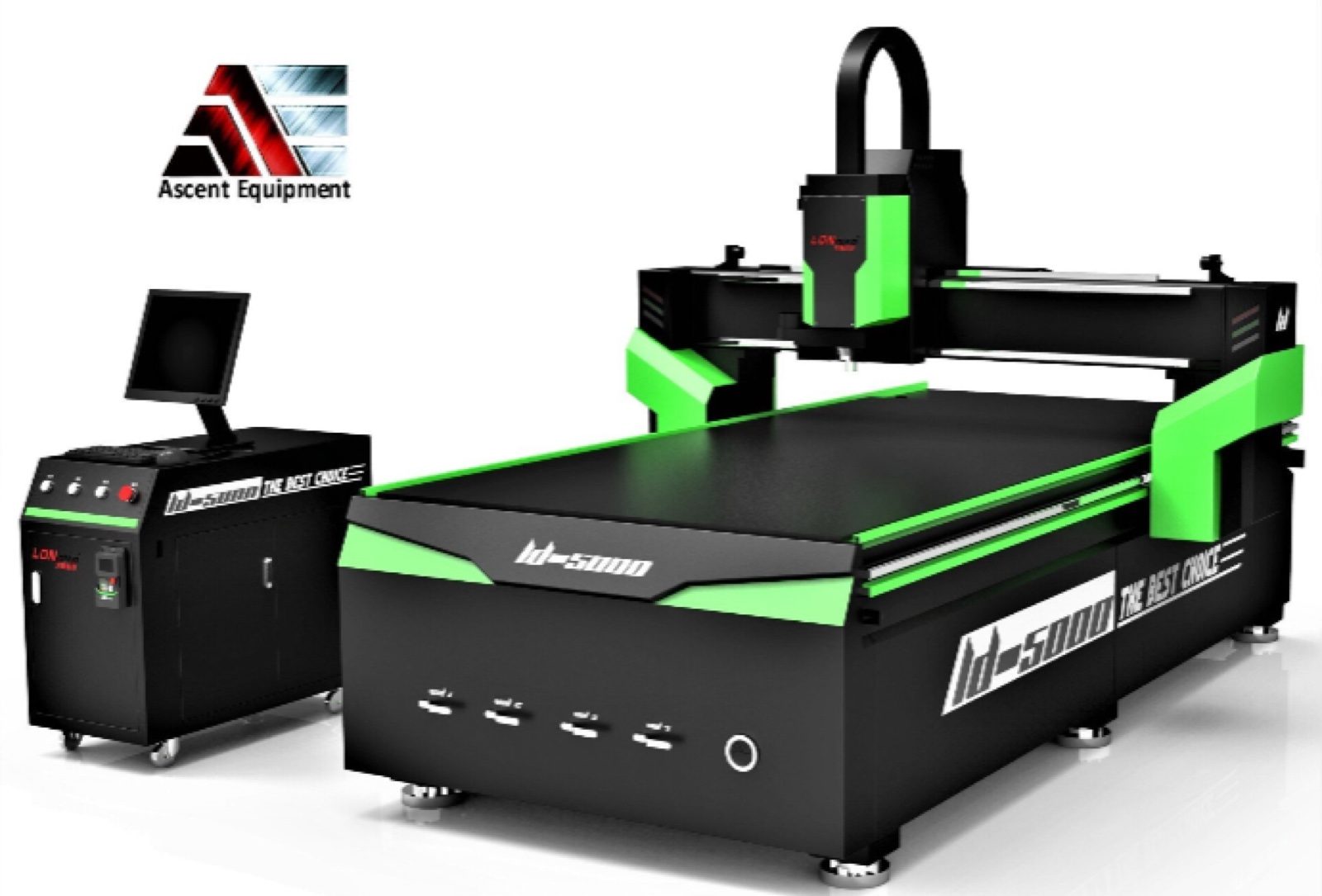
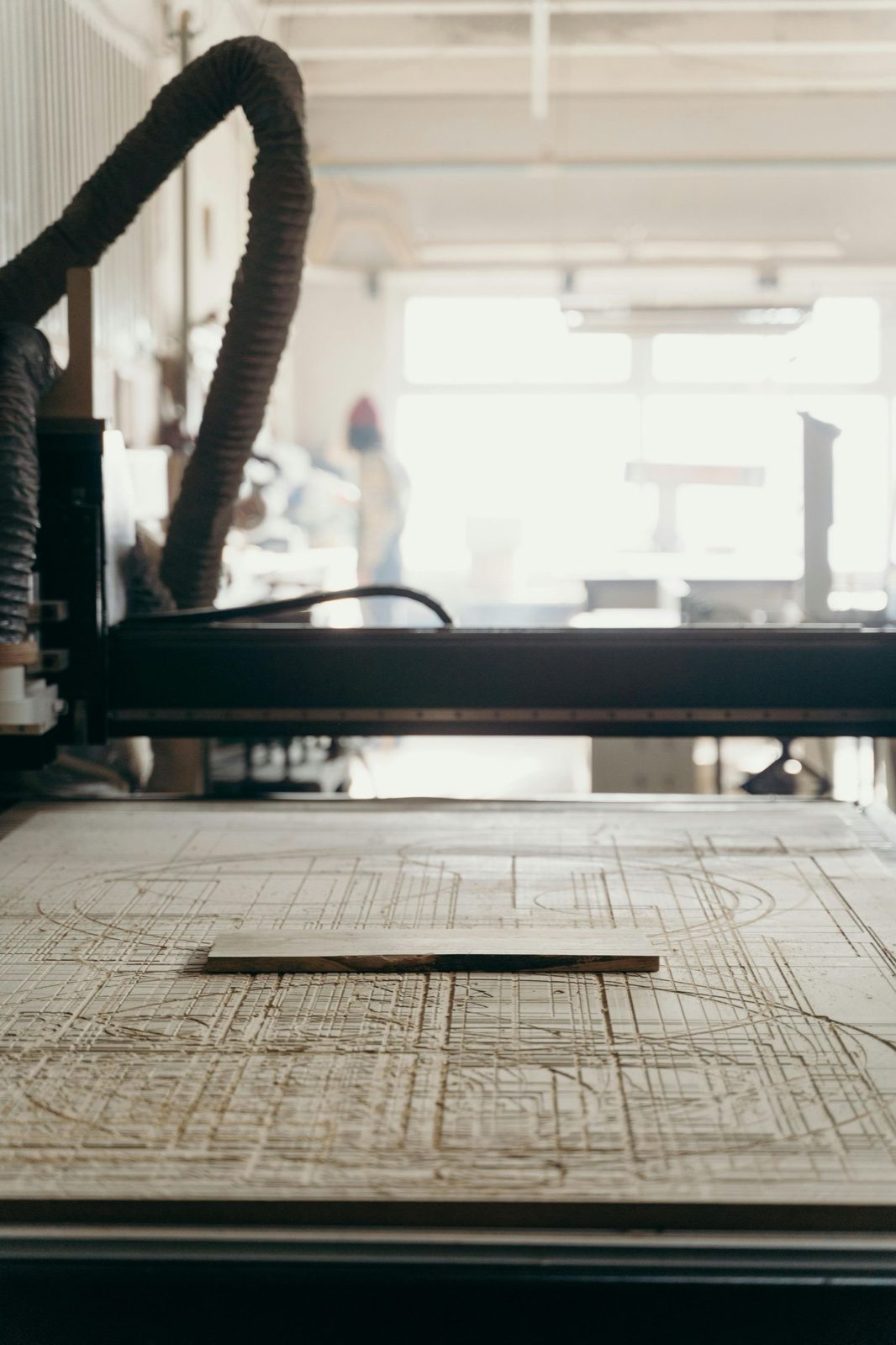
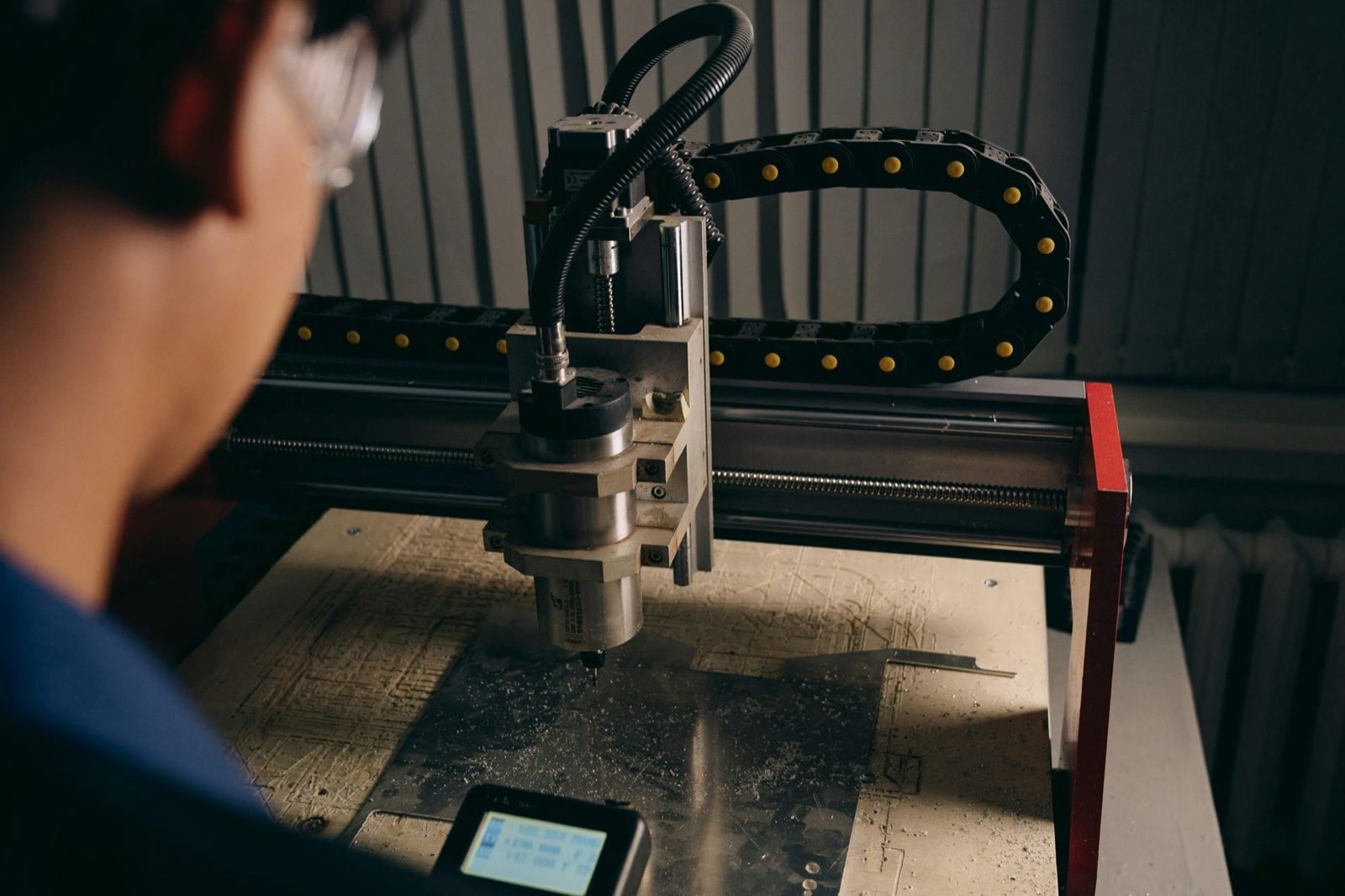
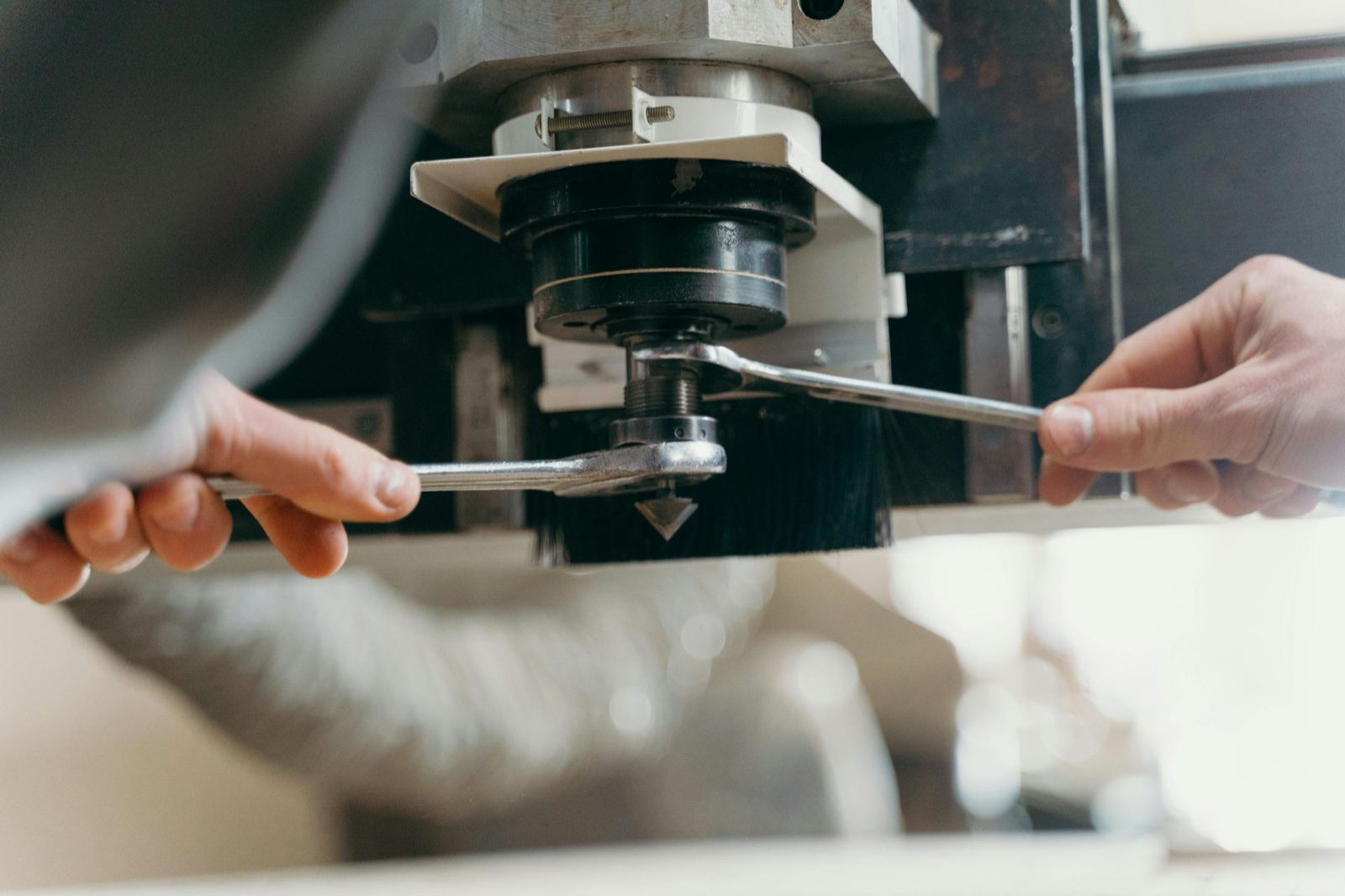
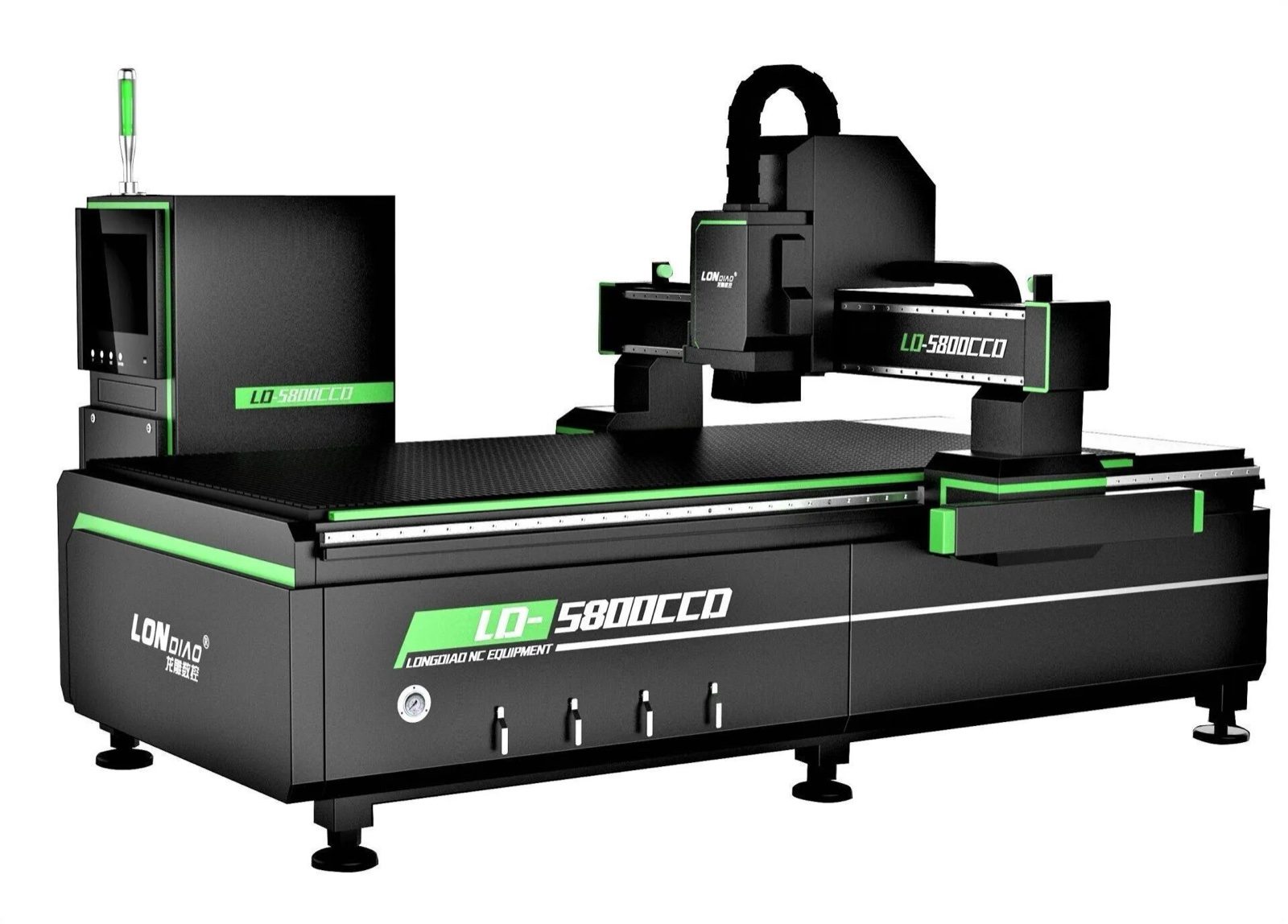
To complete the process of building channel letters, we have provided many CNC routers for acrylic facia and other materials for the backs of the letters. There are a lot of routers on the market — but ours are designed and engineered to be a "workhorse" at very competitive prices.
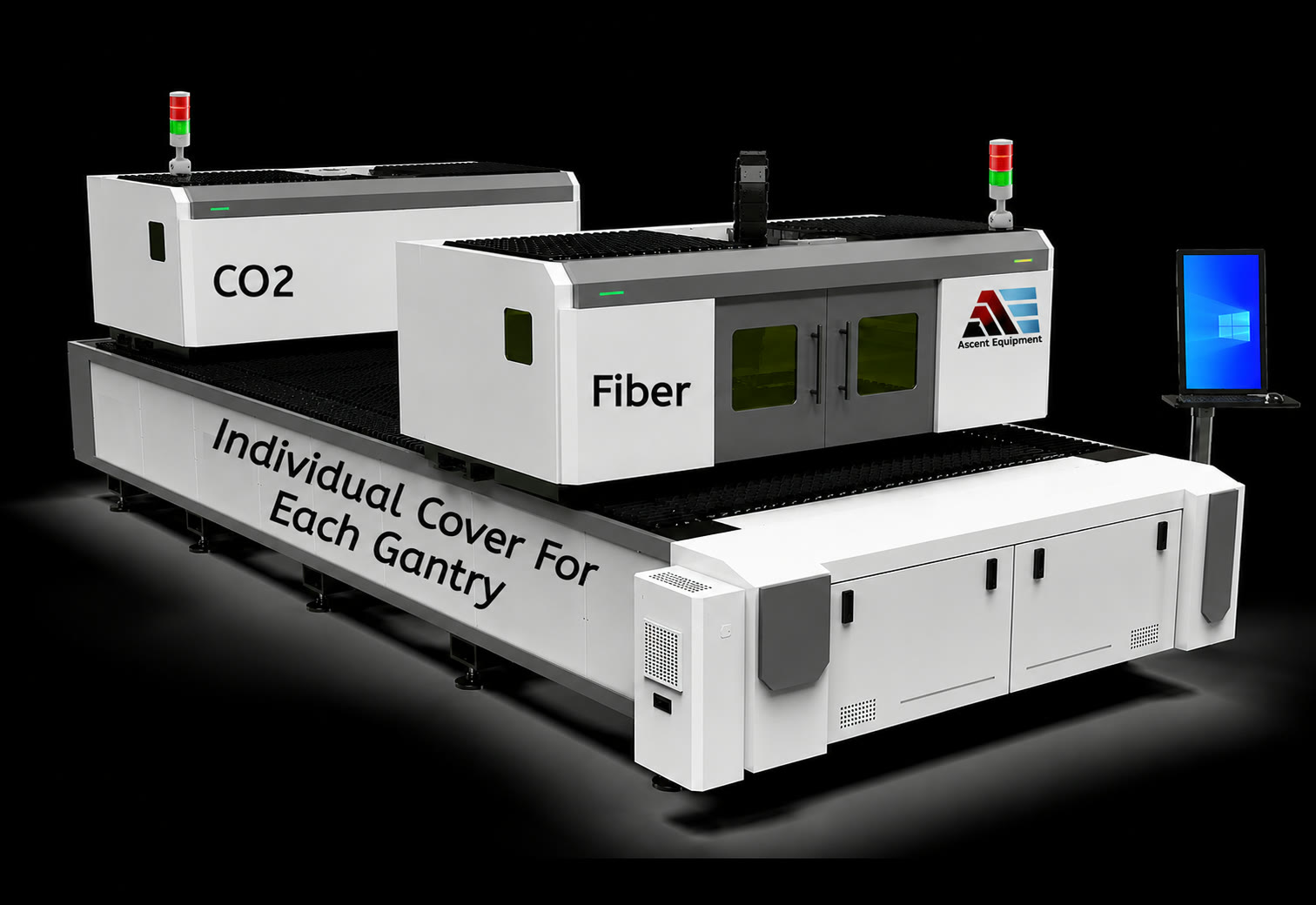
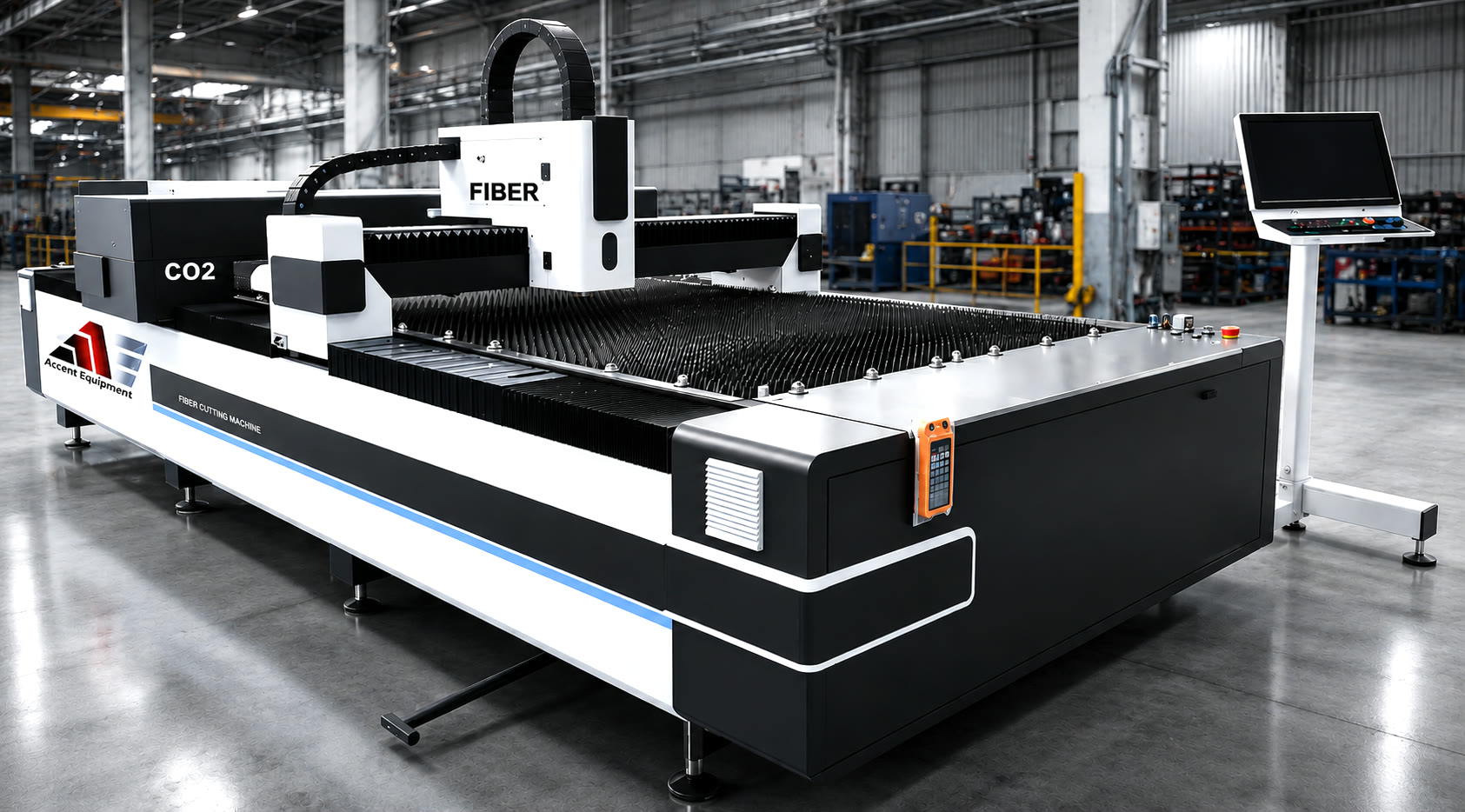
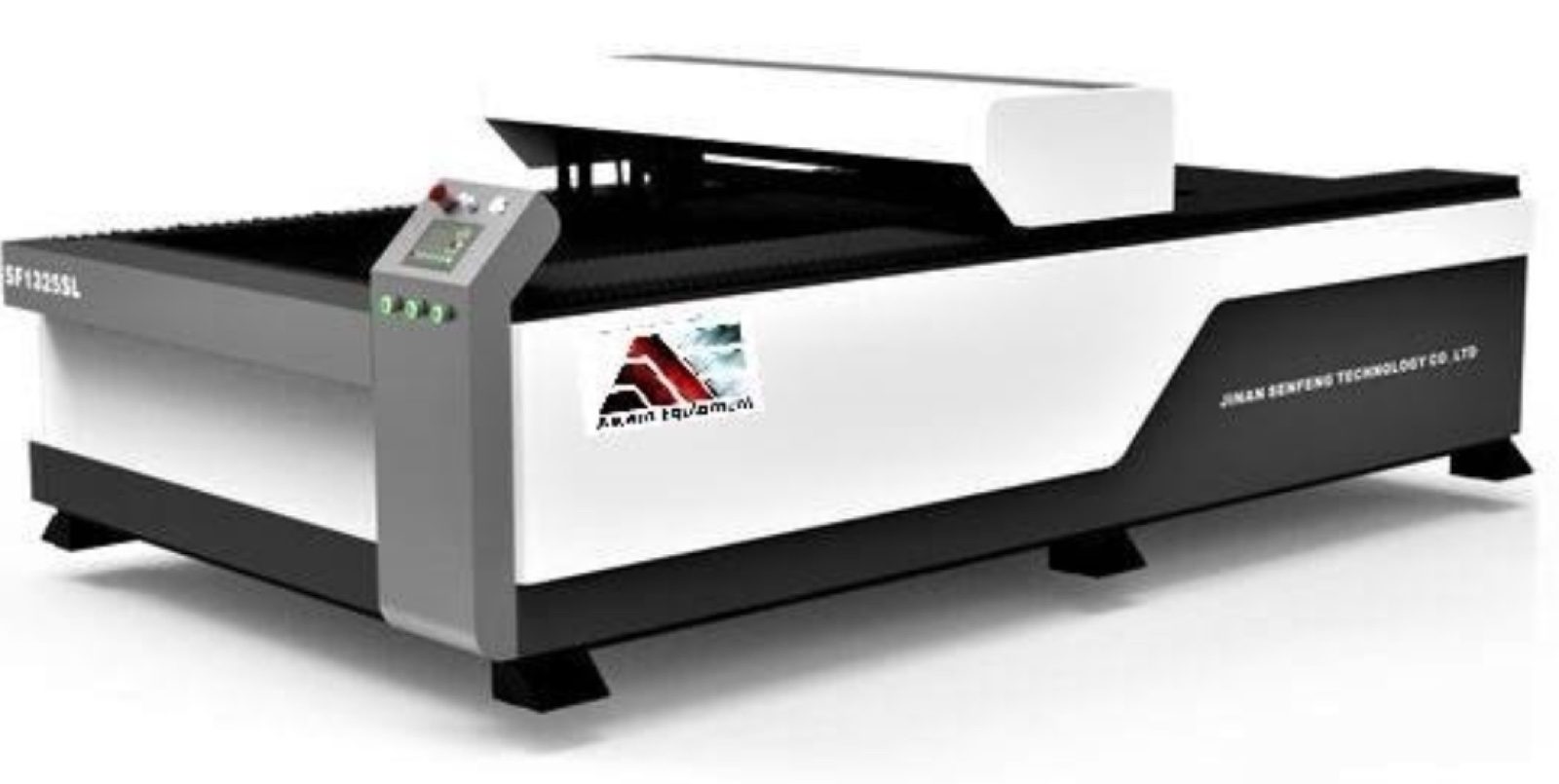
Our CNC laser cutters — the 280W CO2 — are very precise and fast, designed to cut acrylic and other non-metals.
The 4000W fiber laser cutter is designed to cut all metal in high-speed aluminum up to 0.5" with dry compressed air (no need for nitrogen).
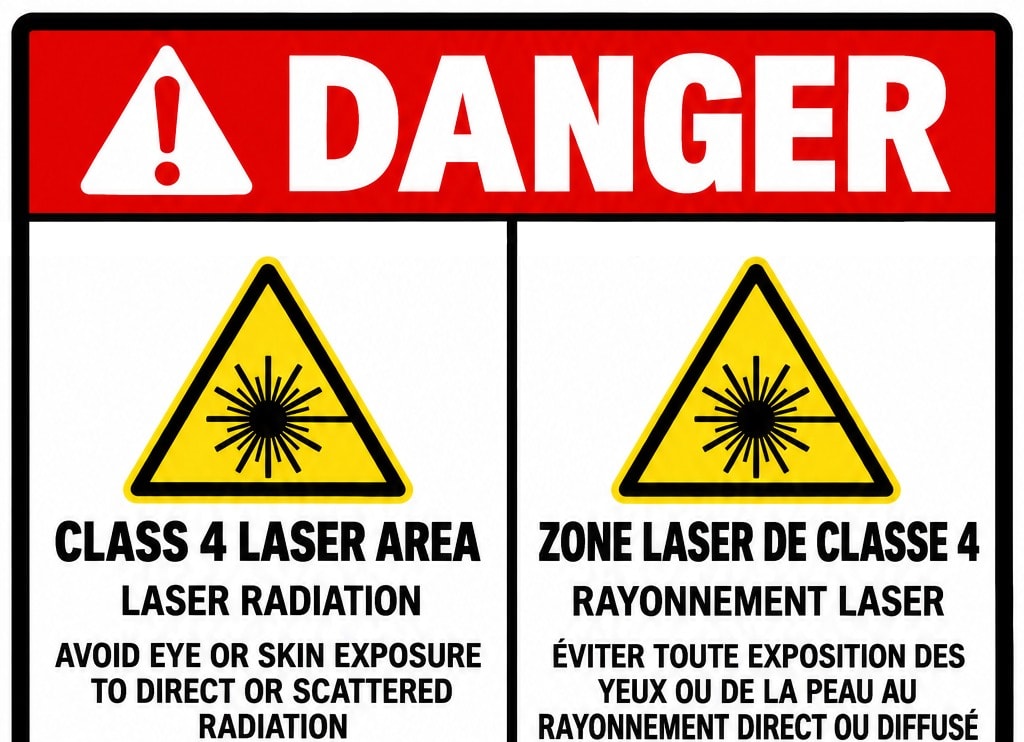
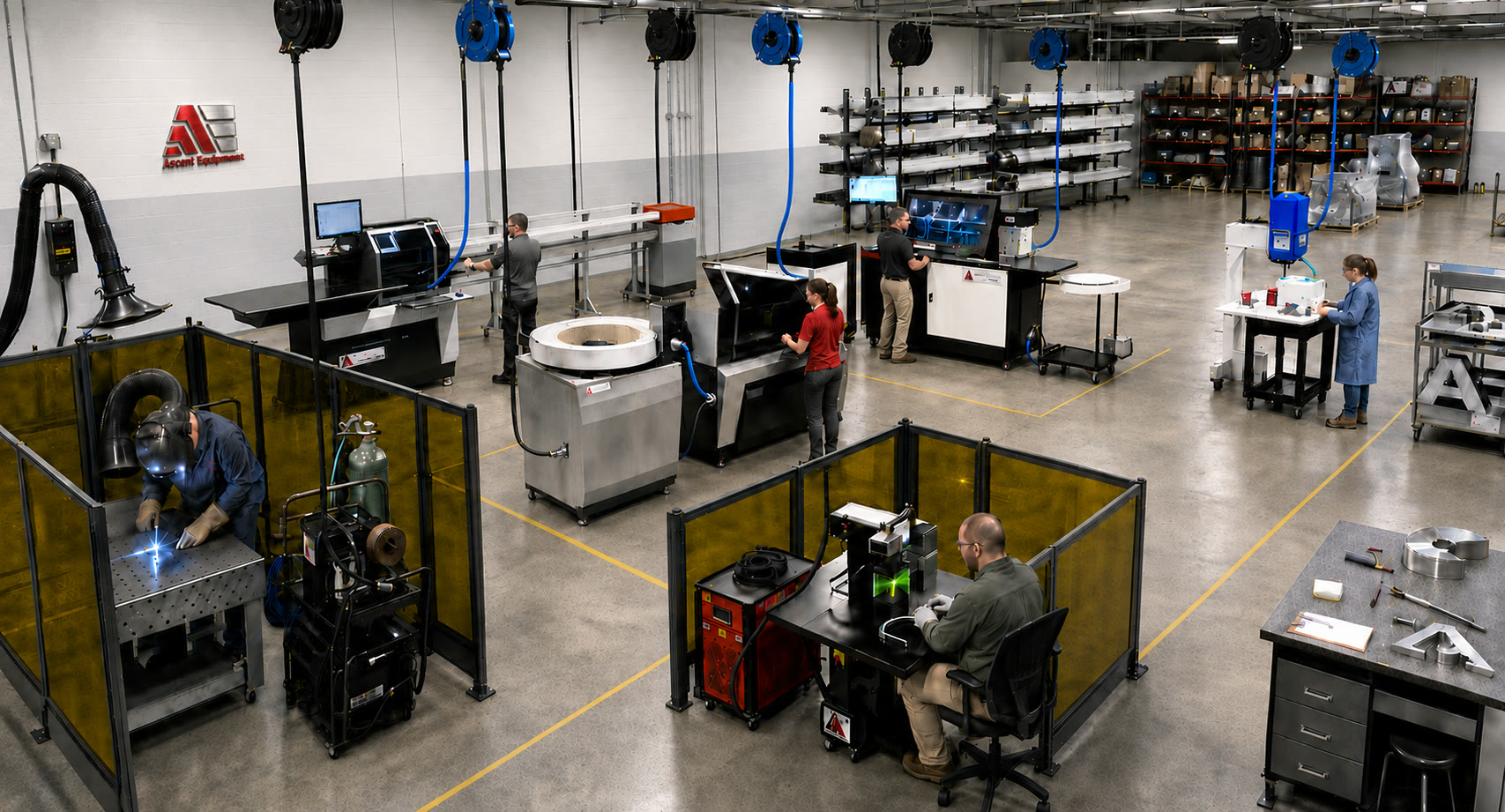
All of our equipment is designed with the user in mind. The systems can reduce learning time, but operators still require qualified equipment training, documented process controls, and all applicable safety instruction for the machine and application.
With our equipment, the customer can produce new-style letters, conventional style letters, custom letters and logos with unparalleled quality, performance and repeatability — while significantly reducing labor.
Our journey into the future continues as we develop new equipment and processes to automate the process further and reduce manufacturing costs.
We did not "invent the wheel," but we are perfecting it.
Dave (Dov) Rom B.Sc. Eng., MBA President and Chief Engineer, Ascent Equipment
For more information: dov@ascentge.com www.ascentequipment.com
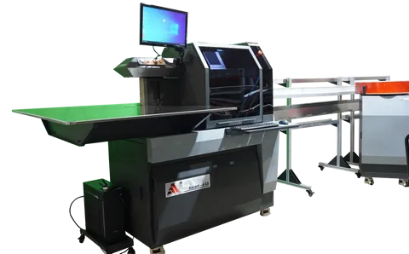
The new Ascent CNC machine making trim from flat aluminum, processing traditional plastic trim, and making side returns — all in one machine: