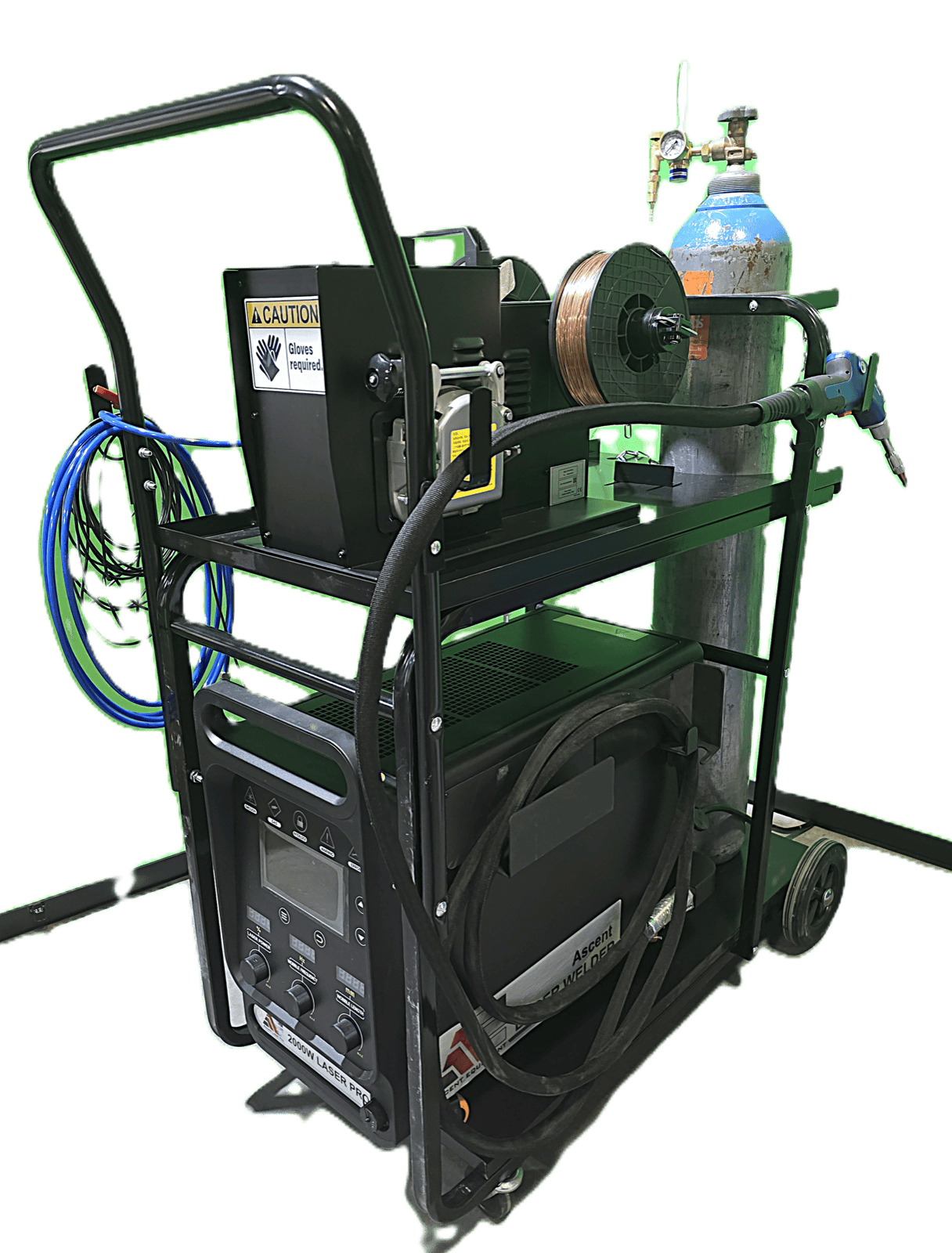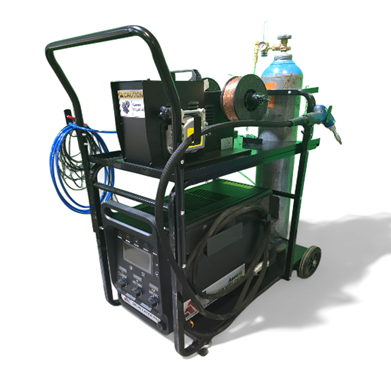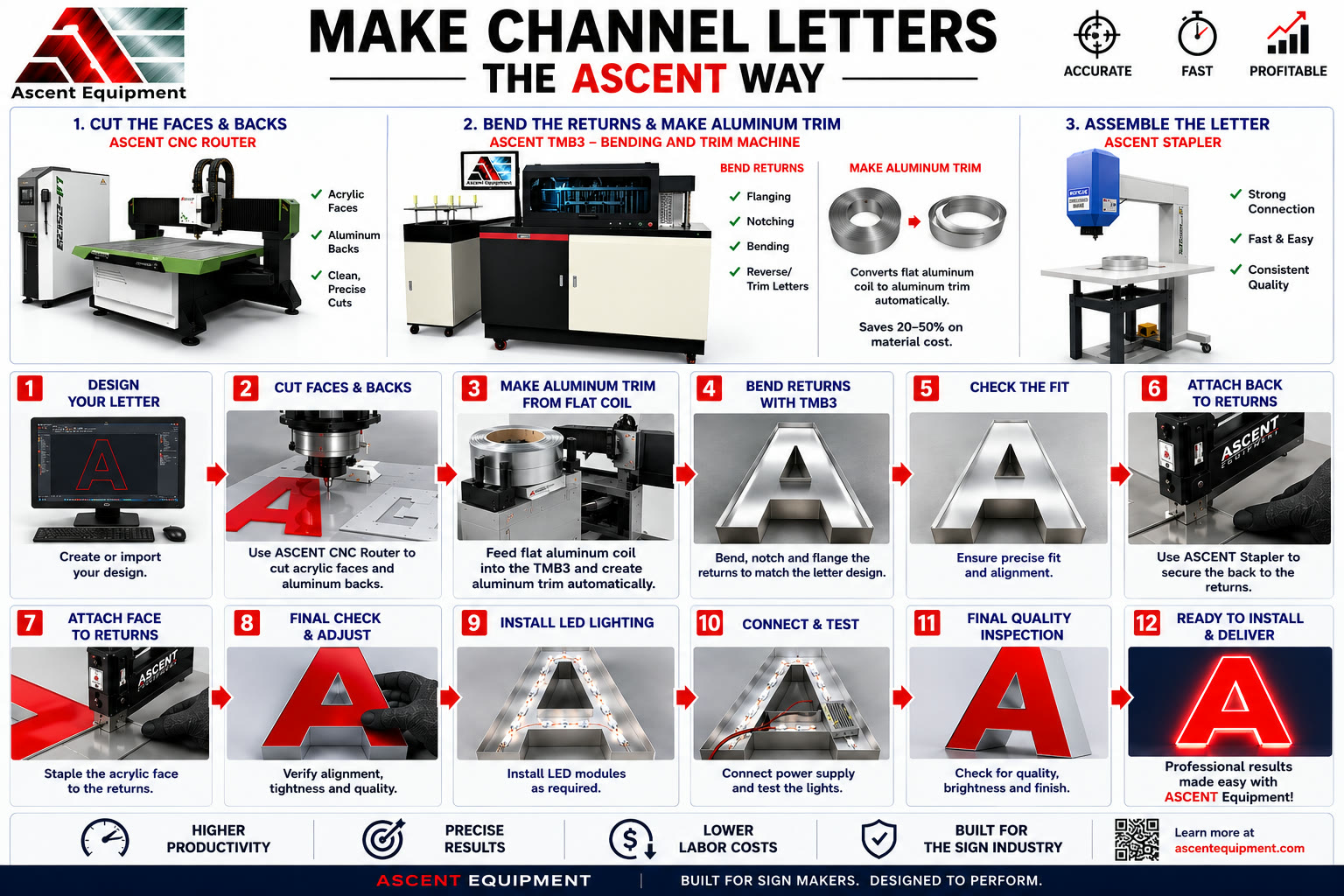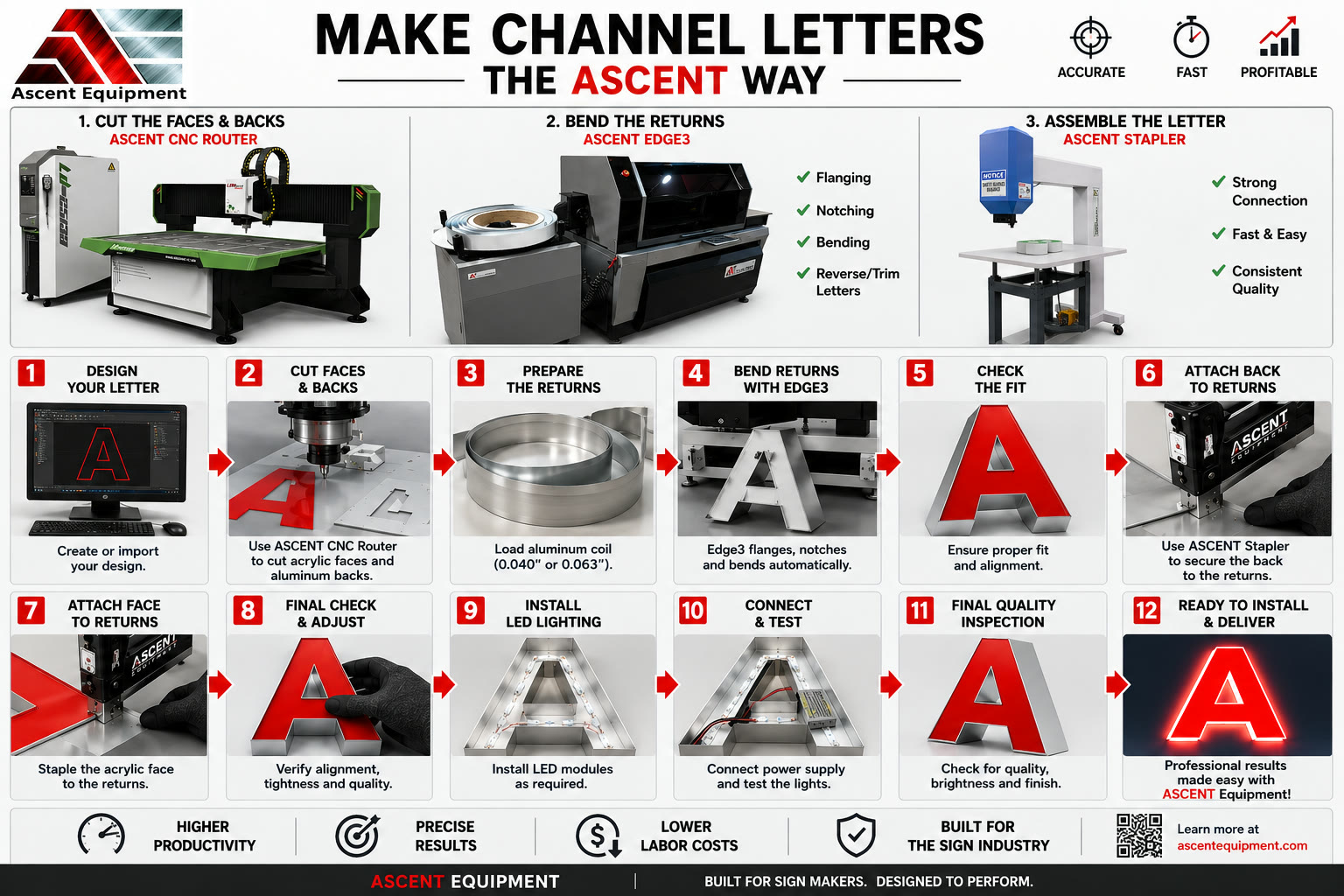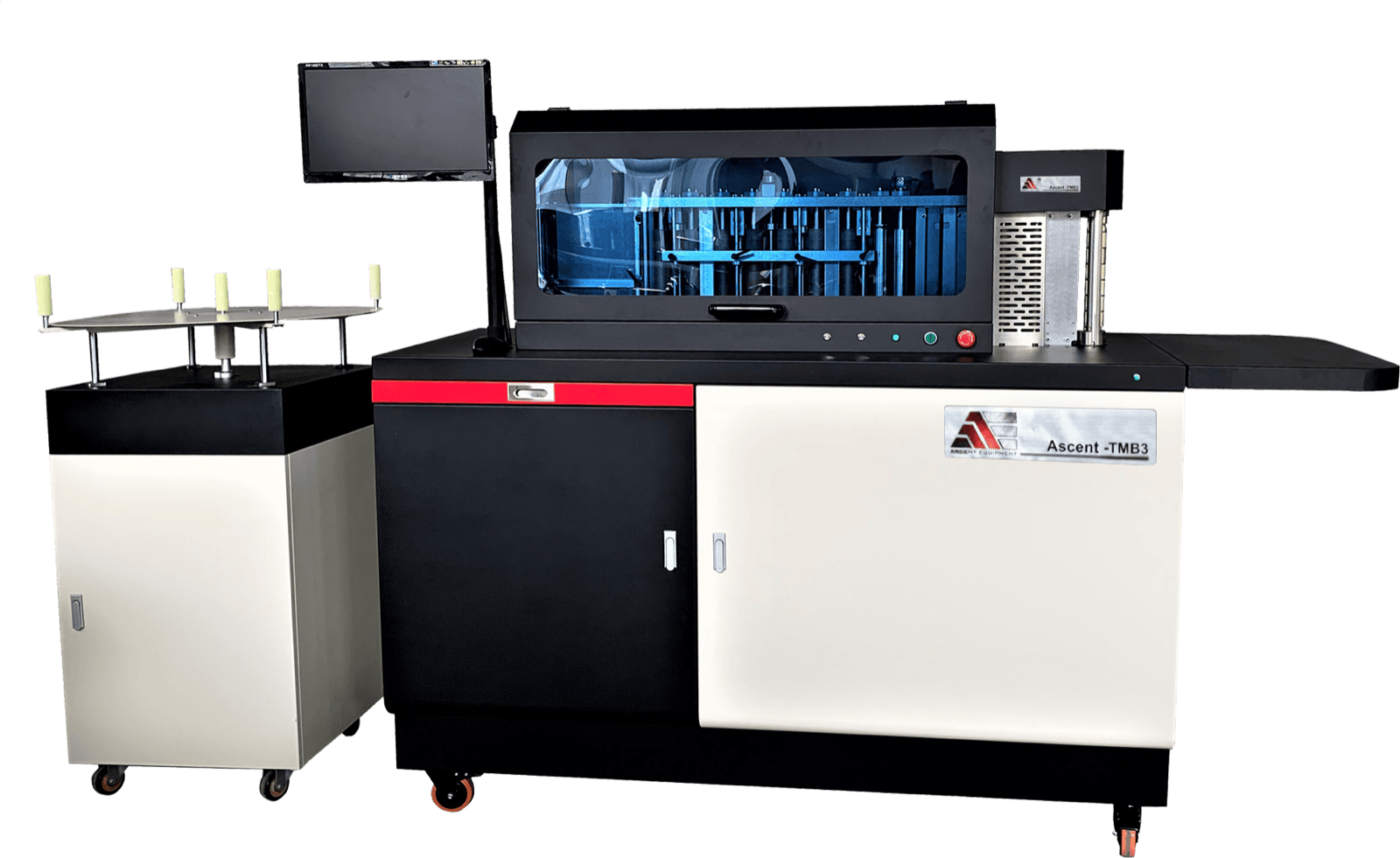

The world's first easy conversion between tabletop and handheld.
The Ascent QCW changes between tabletop and handheld configurations, so a shop can fixture small channel letters at the bench and move to handheld work when the job calls for it. It welds aluminum sheet from 0.020" to 0.063" thick, with faces up to 0.080" and returns up to 0.063". It also handles stainless steel up to 0.040" thick.
See it in action
Built for the sign industry
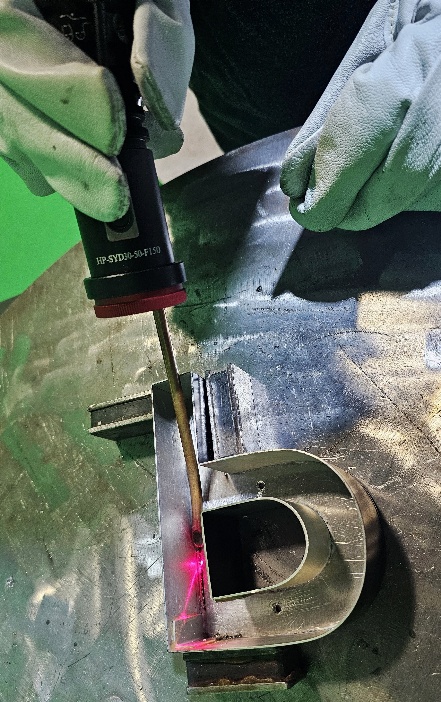
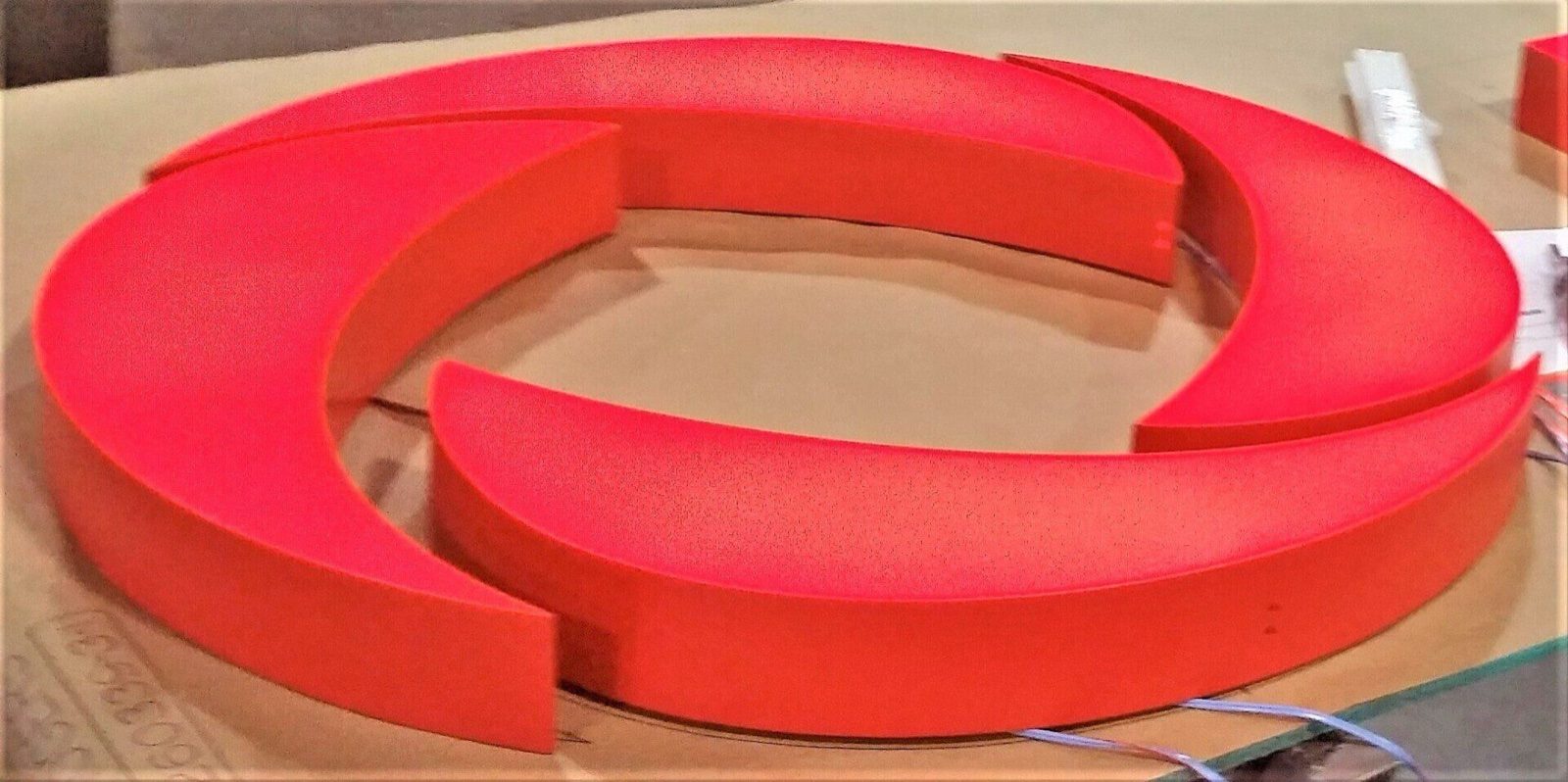
Ascent tabletop laser welders with CCTV / CCD camera monitoring systems are essential tools in the sign-making industry. They let you accurately fuse 3D channel letter faces or bases to their side returns without distorting thin metal coils.
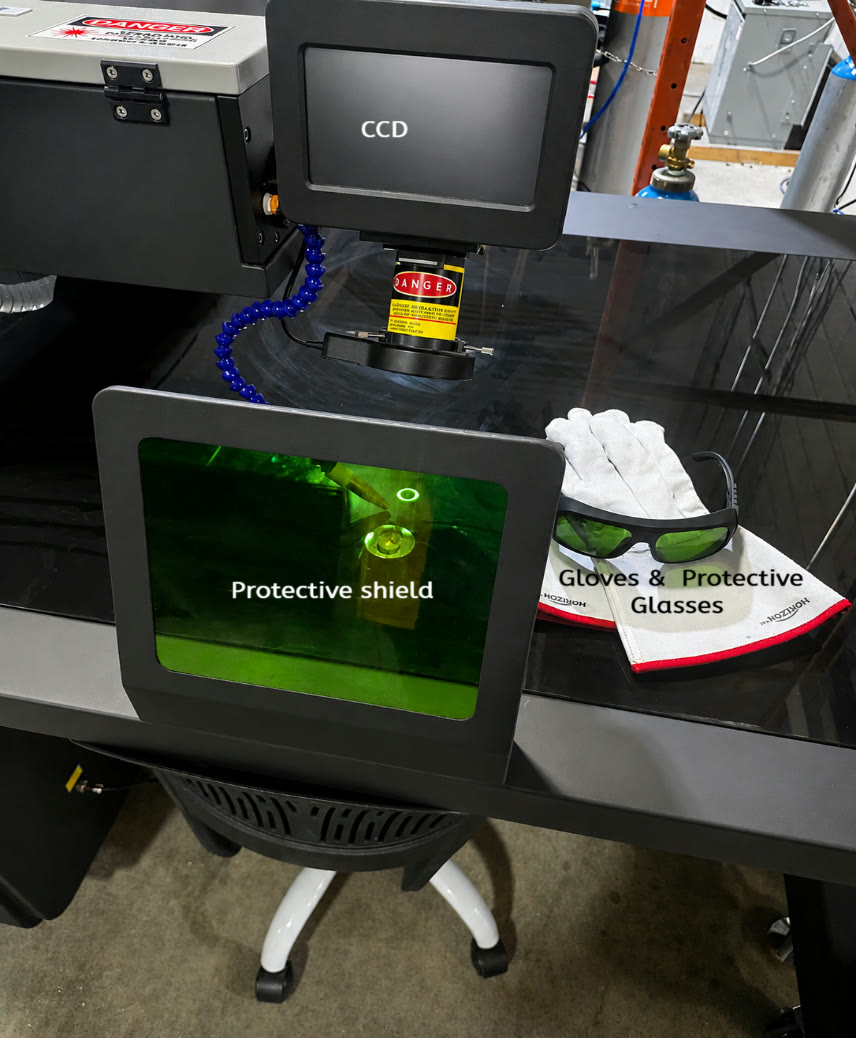
Working at tight angles and tiny letter strokes requires a real-time CCD monitor to ensure flawless alignment of your focal laser spot. The CCD camera puts the weld zone on a high-precision touchscreen, so you can line up narrow letter corners safely and precisely — every time.
YAG vs. QCW: which tabletop welder is right for channel letters?
When choosing a tabletop welder for channel letters, your primary decision is between two laser types:
- YAG lasers — struggle with aluminum.
- QCW lasers — offer high peak power, continuous / pulse flexibility, and excel with aluminum.
For aluminum channel letters, QCW is the clear winner.
What a specialized channel-letter welder needs
The best tabletop laser welders built for advertising and signage share three features:
- Flat glass working surface — prevents scratching glossy metal coils.
- Micropositioning rods — for precise, repeatable placement.
- Dedicated CCD monitor — for safely aligning narrow letter corners.
The Ascent QCW tabletop / handheld hybrid
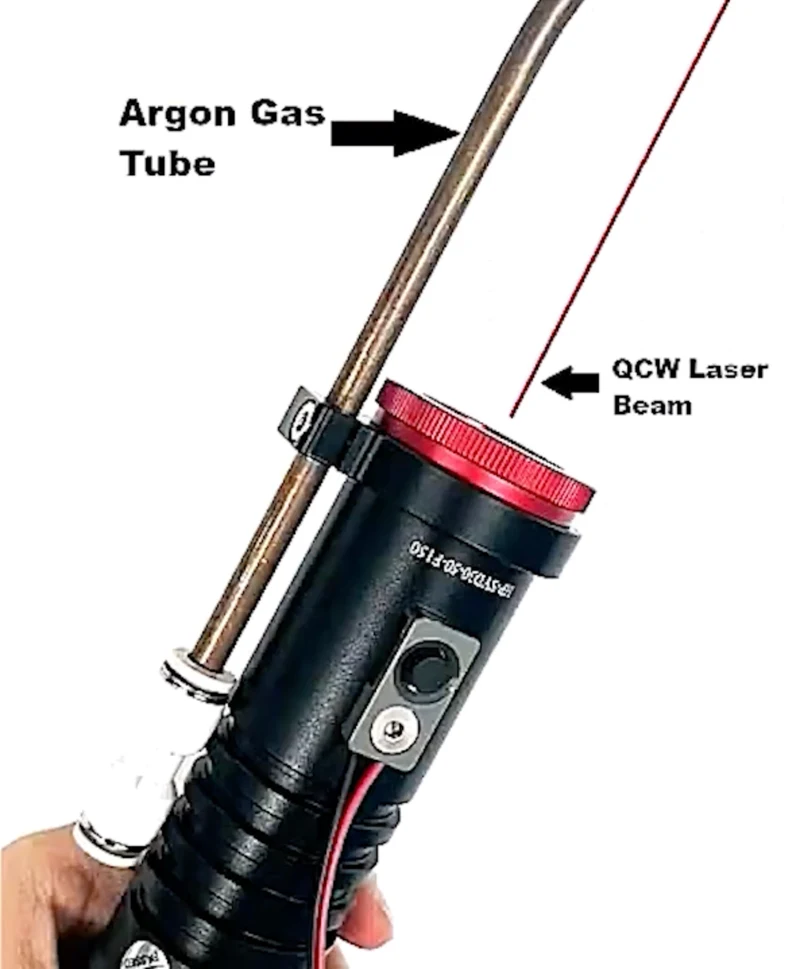
This hybrid system — the world's first of its kind — puts both a tabletop jig welder and a handheld gun in one machine, so a shop never needs a second welder for oversized or irregular letters that don't fit the fixed work area.
Why QCW fiber?
- 300W QCW delivers peak pulse power up to 3,000W — roughly ten times its average power.
- Pulse laser beam — ideal for the narrow strokes of channel letters.
- Minimized heat-affected zone (HAZ) — the laser delivers energy in pulses, letting the material cool between pulses. Reduced thermal input means no distortion on thin materials and painted coils.
- Works with painted coils — the minimized HAZ leaves the finish intact.
- Easy to convert between tabletop and handheld use.
- Qualified training included — Ascent technicians provide 3-4 hours of qualified training, enabling operators without prior aluminum welding experience to weld very thin aluminum materials. Operators remain responsible for process controls and laser safety.
Specifications
| Feature / specification | Ascent QCW fiber tabletop |
|---|---|
| Laser source type | Fiber, quasi-continuous wave (QCW), 1064 nm |
| Material specialty | Superior for highly reflective metals like aluminum |
| Heat-affected zone | Extremely minimized — peak-power pulses leave zero thermal deformation |
| CCTV / alignment | High-precision CCD touchscreen system with red-beam alignment |
| Aluminum capacity | 0.020" to 0.063" |
| Stainless steel capacity | Up to 0.040" |
| Configuration | Converts between tabletop jig welder and handheld gun |
| Operator training | 3-4 hours of qualified training, followed by required process controls and laser-safety responsibilities |
What's included — and what's available separately
Every machine is supplied with all the accessories you need to start welding, including leather gloves and safety glasses.
Available separately from Ascent:
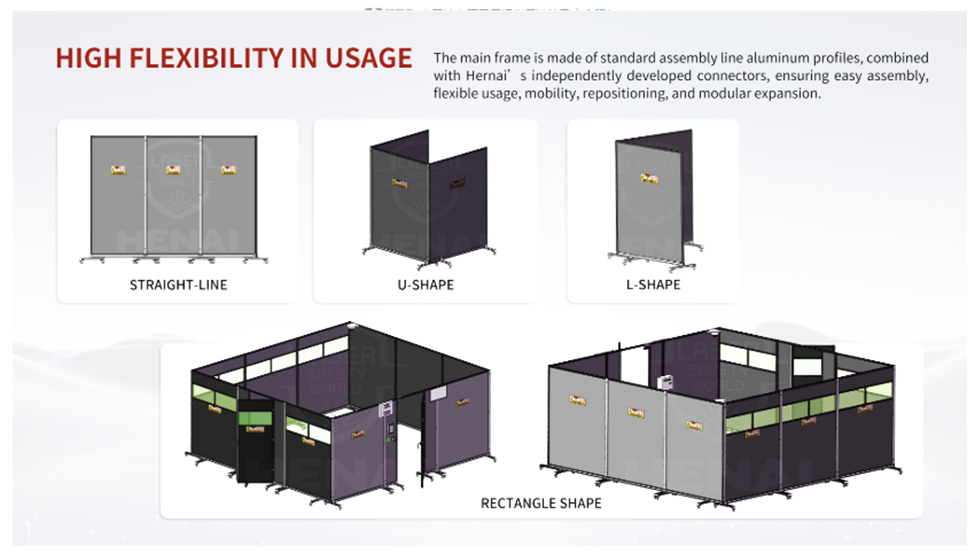
- Laser-certified partitions
- Smoke / fume vacuum collector
"The Art of Channel Letters Through Precision Automation" ™
Ascent Equipment ascentequipment.com Tel: 647-494-7800 Extension 1008 Email: dov@ascentge.com