Safety Concerns for Lasers in Manufacturing
Ascent Equipment Supplies Professional Safety Gear for Lasers
This information intended for the educational, instructional, and informational purposes of the user. It is not to be considered a substitute for a knowledgeable and trained Laser Safety Officer (LSO) with the duties and responsibilities as defined in the ANSI Z136 standard published by the American National Standard Institute.
Please use the information as a general guide.
CLASS IV LASER:
Class 4 (IV) lasers are hazardous to the eyes and can also burn skin and materials, particularly dark or lightweight ones, at close range. Class 4 lasers have an output power of 500 milliwatts and above for visible-light lasers, with no upper limit for this classification, making it the most dangerous type of laser.
PREVENT EYE EXPOSURE:
Class IV visible-beam lasers are high-powered and can cause serious eye injuries if the direct or reflected beam enters the eye. Even staring at the diffuse reflection of a laser "dot" on a wall or other surface may lead to an eye injury from just a few feet away. Avoid looking at the laser "dot" when it is nearby.
To prevent eye exposure, always be aware of the beam's location and keep it away from people's eyes and heads.
Laser protective eyewear is mandatory.
AVOID SKIN EXPOSURE:
Avoid exposure to skin and sensitive materials. A Class IV laser can burn skin and materials, primarily Hello dark and/or lightweight materials at close range.
Ascent recommends the following:
1. Laser Safety Officer (LSO): training can be obtained online from Laser Institute of America (LIA) www.lia.org/training/non-medical
2. Interlock on the door (can connect to the Ascent Fiber laser welder for shutting down the laser source when the door is open)
if you need, I can send you a link to the company that specializes in interlocking for laser rooms and LED messages (laser on/off)
3. Warning labels on the door (class IV laser and other labels)
4. Safety goggles: We will advise you which ones you need to purchase (the machines come with one)
5. Protection of exposed skin: Gloves, arm, and neck protection (the same as regular welding)
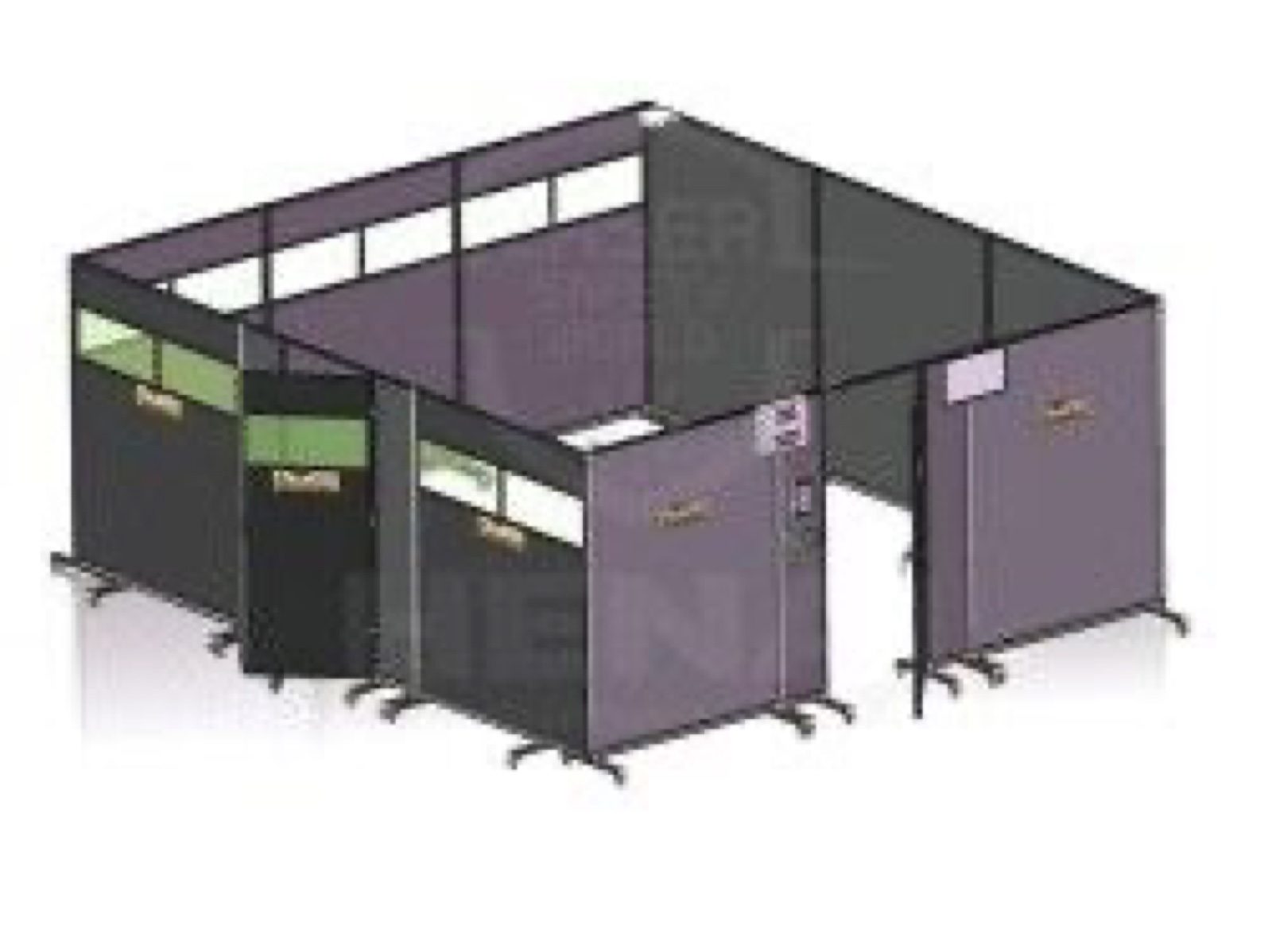
6. You can use the room that already exists or mobile partitions,
7. Laser safety external audit (Ascent unofficial as part of the installation, or an outside consultant.
8. Laser Safety Standard Operating Procedures (SOP), supplied by Ascent, and the equipment.
Equipment specifically:
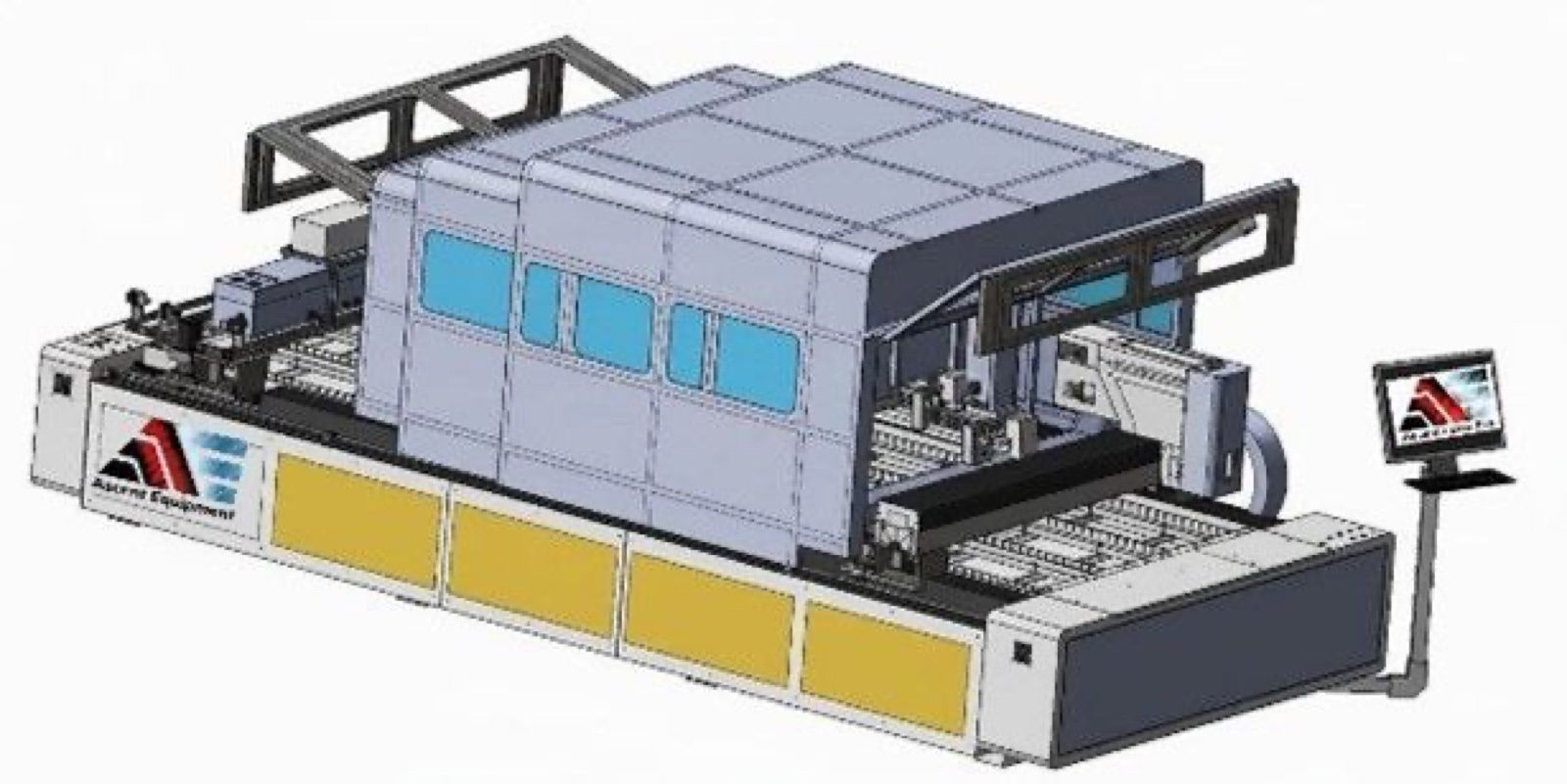
Laser cutters must be completely enclosed or use special partitions.
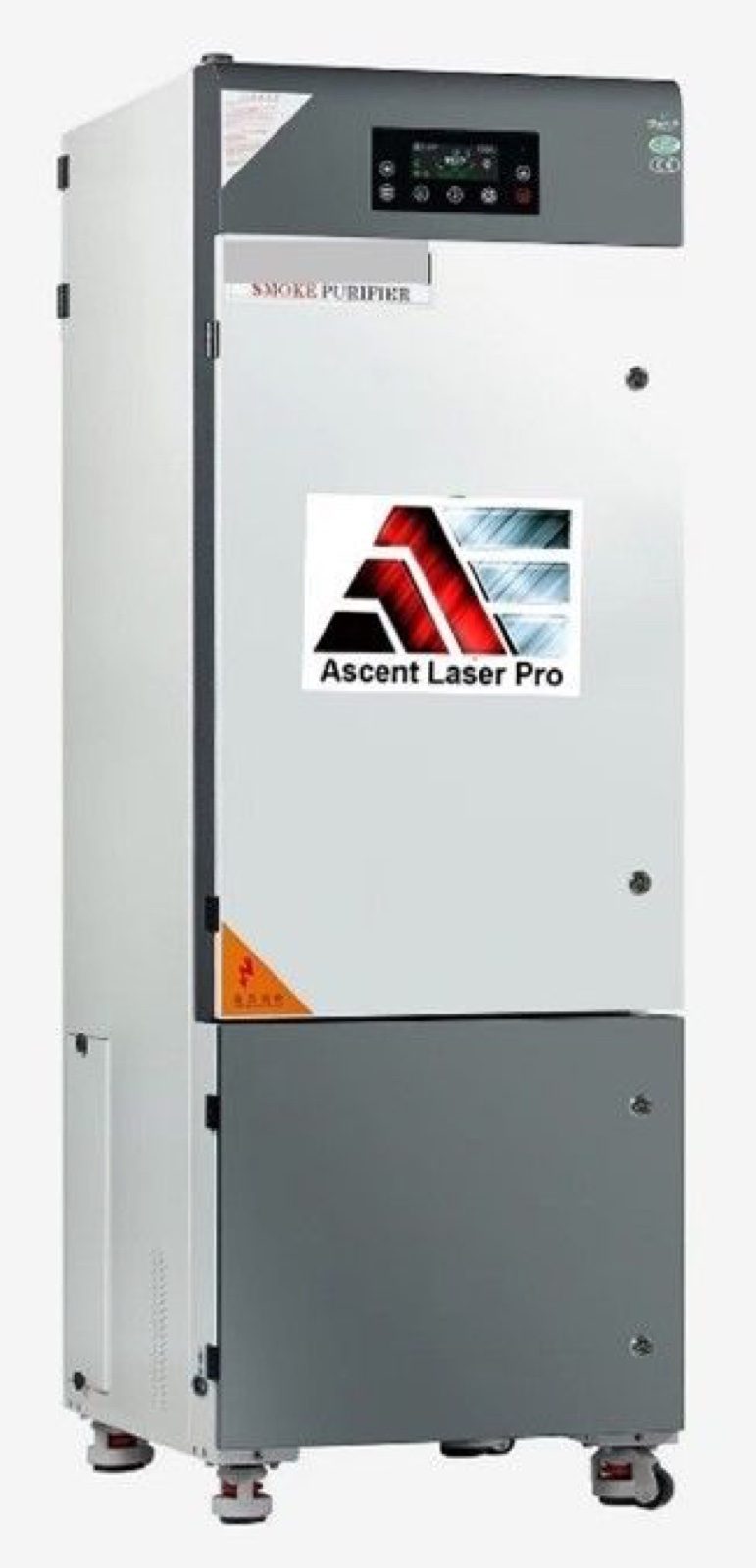
CO2 Laser cutters produce smells and fumes that need to be vented to the outside or filtered with a special purifier.
2. Laser Welders
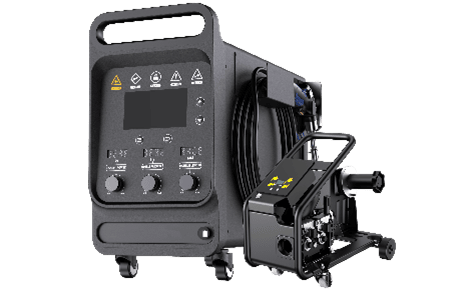
The operator must wear safety glasses to protect their eyes, along with gloves and protective gear for the arms and neck, similar to standard welding practices. The laser should be housed in a separate room or shielded with specialized dividers.
We recommend the following:
• Safety goggles with an Optical Density (OD) of 7 or 8 for 1064 nm, or a fiber laser welding helmet.
• Gloves and protective gear for the arms, neck, and any exposed skin while welding.
• Adherence to the Laser Safety Standard Operating Procedures (SOP).
• Enclosure of the machine area with specialized laser partitions, as conventional welding partitions are insufficient, or with solid walls.
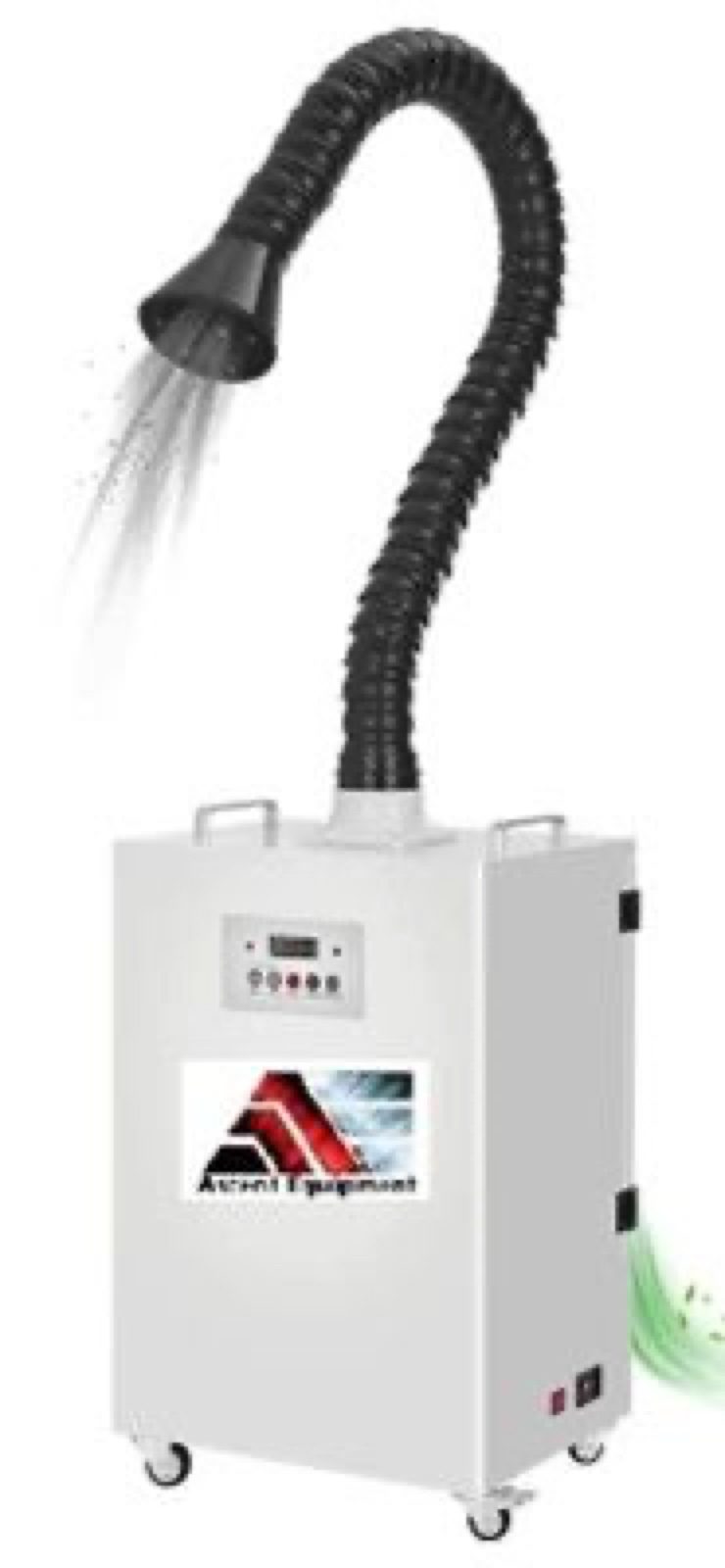
• Use of fume extraction systems to manage fumes and dust generated during welding.
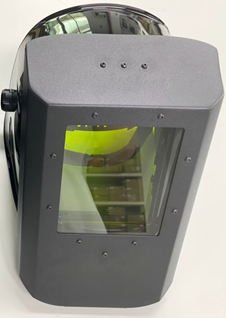
Professional Helmet Designed for Laser Use
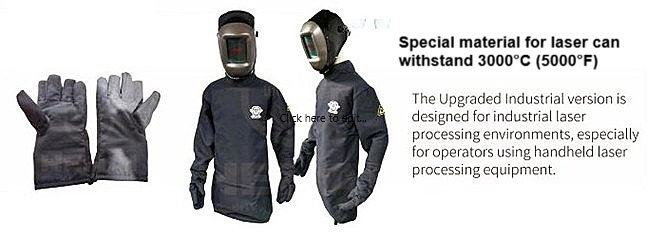
Gloves and a Frontal Protective Jacket for a Fiber Laser
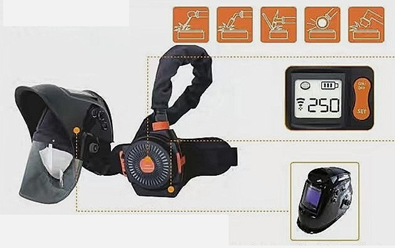
A helmet with a powered respiratory filter can be used for both regular and laser welding.
Welding fumes present a significant problem.
Their effects vary depending on the type of metal being welded,
potentially leading to respiratory issues and skeletal damage.
Therefore, the work area must be well-ventilated
or equipped with a smoke collector filter during welding.
Laser safety is covered by the following organizations:
OSHA: (Occupational Safety and Health Administration) www.osha.gov/dts/osta/otm/otm_iii/otm_iii_6.html
ANSI standards (American National Standards Institute) ANSI Z136.1-2014 www.lia.org/store/product/ansi-z1361-2014-safe-use-lasers-electronic-version
FDA (US Food & Drug Administration) www.accessdata.fda.gov/scripts/cdrh/cfdocs/cfcfr/cfrsearch.cfm?FR=1040.10
Laser Safety Goggles are essential protective eyewear for working with lasers.
When buying laser safety glasses and goggles, select glasses that block or attenuate the appropriate wavelength range (1080nm) and Optical Density (6 or 7 OD).
Everybody exposed to a Class 4 laser beam must wear appropriate safety glasses. These glasses must meet two variables:
· Laser beam wavelength 1080 nm
· Optical Density 6 or 7
Every laser beam has a specific wavelength or color. Therefore, manufacturers make glasses of glass and polycarbonate to protect against different wavelength ranges.
The other variable is Optical Density. This is how to measure the radiation the glasses permit to pass through the lenses. OD is the base-0 logarithm of the factor by which the glasses or other filter reduces the power of the laser beam. For example, an OD of 4 reduces the laser beam's power by 10,000, a factor of 4, because 1,000 is 10 to the power of 4.
The following can be purchased from Ascent:
Laser welding helmet with steel protection shield V1:
This helmet features a laser protection window made of a dark green absorbing plastic on a PMMA basis that is particularly resistant to lasers. The window provides laser protection by absorbing the laser radiation within the material itself. With a daylight transmission of approximately 64%, the window offers adequate visual brightness and color visibility. It is certified according to DIN - EN 60825-4 and CE, ensuring safe use in machines or shielding even with large beam diameters.
To ensure proper laser safety, it is important to calculate the required protection levels for your laser and compare them with the specifications on the laser protection window before installation.
Please note that this helmet is not designed for direct exposure to all laser beams. It is advisable to consult with your laser protection officer regarding compatibility.
Compliance: ANSI Z87.1.2020, EN166, AS/NZS1337.1, CSA Z94.3, AS/NZS 1067 - ANSI Z136.1, IEC 60825-1 safety standards. **Specifications:
** - Filter material: Plastic
- Filter technology: Absorption filter
- Visual brightness: Sufficient
- Standards: EN 60825
- Filter thickness: Approximately 3mm
- Color vision: Sufficient
- Color: Dark green
- VLT (approx.): 64